Gasoline Price Hike from Iran War: How It Could Shift Consumer Demand Toward EVs and Hybrids in Oman
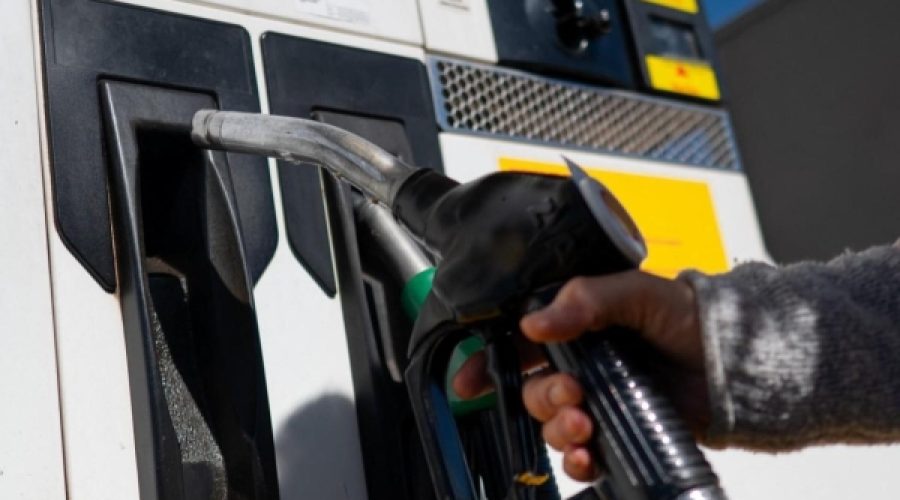
The escalating gasoline prices resulting from the Iran conflict have sparked anxiety and uncertainty among car manufacturers, dealers, and vehicle owners at the pump. However, for Martin Miller, owner of a used electric vehicle dealership southwest of London, this situation presents an opportunity. Miller experienced his busiest Saturday ever just one week after the war began on February 28, following the bombing of Iran by Israel and the United States. The conflict has disrupted shipping through the Strait of Hormuz, a critical route handling about 20% of the world’s oil supplies.
Miller is now urgently working to increase his inventory. “We’re turning cars very, very quickly,” he said, noting that customers at his store, EV Experts, are concerned that petrol prices may rise further. His team has been actively purchasing more electric vehicles (EVs) at auctions, driven by confidence that the trend will continue.
Data from the British government indicates that as of March 16, the average gasoline price per liter in Britain has increased by 7% since the conflict began. Similarly, prices in the European Union have risen by 8%, according to the European Commission. In the United States, the average price per gallon of gasoline has surged by 27% since late February, reaching $3.72, according to the U.S. Energy Information Administration.
Historically, spikes in oil prices have triggered structural shifts in consumer vehicle-buying habits. During the 1970s energy crisis, U.S. buyers favored smaller cars, benefiting Japanese automakers and reducing market share for U.S. manufacturers. However, analysts caution that recent fuel price hikes are unlikely to immediately change new car-shopping behavior. Typically, sustained high prices or crossing specific price thresholds are required to significantly shift consumer preferences toward fuel-efficient vehicles.
“Consumers are highly reactive to gas prices, but it tends to be that it has to hit a certain round number,” explained Kevin Roberts, director of economic and market intelligence at CarGurus. He pointed to the $4 per gallon mark as a critical threshold that increased EV interest during the last oil shock in 2022 after Russia’s invasion of Ukraine.
In the U.S., some buyers are acting sooner. Zach Xavier, for example, visited Recharged, a used EV dealership in Richmond, Virginia, with his wife to trade in their gasoline-powered SUV for an electric model and also bought a second smaller EV. “I’m trying to get in before everybody freaks out,” he said.
Despite rising fuel prices, new car shoppers in the U.S. have not shown major shifts in behavior according to automotive research sites. CarGurus reported no significant changes in EV search activity, and Edmunds noted a slight increase in the share of shoppers looking at electrified vehicles from 20.7% to 22.4% soon after the war started.
In contrast, Europe appears more poised for an EV transition. Fully electric vehicles comprised 19.5% of car sales last year, supported by renewed government incentives for electric purchases. German online car dealer MeinAuto reported a 40% rise in EV-related traffic since the conflict began, reflecting growing consumer focus on running costs.
A survey conducted in Germany by online marketplace Carwow found that 48% of respondents said surging fuel prices would influence them to consider an EV or hybrid vehicle. Between March 2 and March 12, the proportion of shoppers considering EVs jumped from 55% to 66%.
Vietnamese EV manufacturer VinFast is capitalizing on this trend by offering discounts of 3% on electric cars and 5% on electric scooters to customers switching from gasoline-powered vehicles amid volatile global fuel prices. In Vietnam, gasoline prices have soared 50% since the conflict began, according to the Vietnam Petroleum Group.
In the U.S., a significant surge in EV adoption remains unlikely unless fuel prices reach much higher levels. EVs accounted for only 7.7% of new car sales last year, with demand cooling after the federal $7,500 tax credit for EV purchases was eliminated during the previous U.S. administration.
Research from dealer-services group Cox Automotive indicates that most U.S. consumers would consider switching to an EV or hybrid if gasoline prices climbed to $6 per gallon. Stephanie Valdez-Streaty, Cox’s director of insights, warned that rising fuel costs might dampen overall vehicle sales in the U.S., compounding buyer uncertainty tied to tariffs and economic inflation.
“Unless you really need a car right now,” she said, “you might hold off.”
Special Analysis by Omanet | Navigate Oman’s Market
The rising global fuel prices driven by the Iran conflict highlight a strategic shift toward electric vehicles (EVs), particularly in markets with strong incentives like Europe, signaling an inevitable transition. For businesses in Oman, this creates opportunities in EV sales, charging infrastructure, and aftersales services, while also posing risks to traditional fuel-dependent sectors. Smart investors should monitor government policies on green energy and consumer adoption trends to capitalize on the expanding EV ecosystem amid ongoing oil price volatility.