Rising Global Fertilizer Prices Due to Iran Conflict: What It Means for Food Costs and Your Business
Munich – The ongoing war in Iran has caused a 30-40% increase in the cost of mineral fertilizers since the beginning of the year, posing a threat to global food prices, according to German experts.
Philipp Spinne, managing director of the German Raiffeisen Association (DRV), noted that world market prices for nitrogen fertilizer are nearing the peak levels seen at the start of Russia’s war against Ukraine in February 2022.
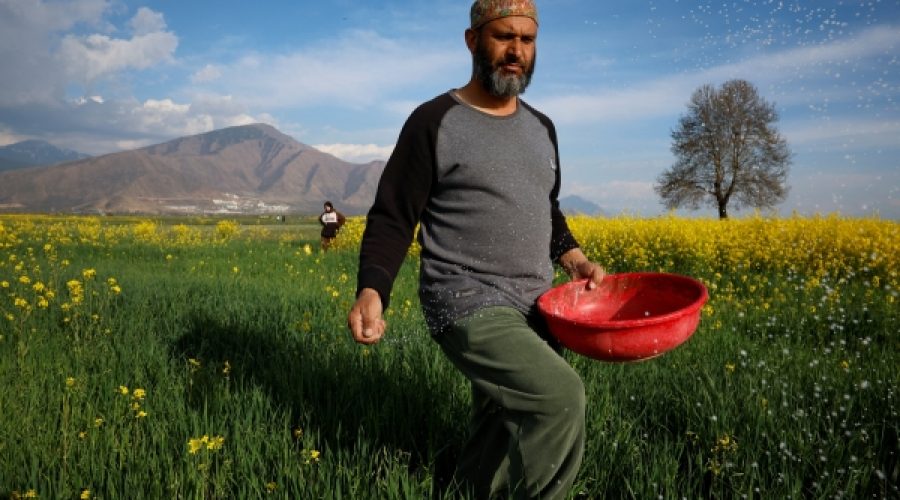
In Europe, consumers have yet to feel the full impact, as many farmers had already secured their spring fertilizer supplies before the conflict in Iran began, the Bavarian Farmers’ Association told dpa. However, if the war continues, production costs in Germany and other countries are expected to rise, leading to higher prices for producers.
Four years ago, concerns over global food security amid conflict did not materialize, partly because Russia, a leading fertilizer producer, increased its fertilizer exports despite invading its neighbor. Since then, the European Union has gradually imposed higher tariffs on Russian nitrogen fertilizers.
The primary driver behind the recent price surge is elevated energy costs. Gas prices account for up to 90% of the costs involved in ammonia and nitrogen fertilizer production, according to Germany’s Agricultural Industry Association. Consequently, increases in gas prices directly cause fertilizer prices to rise, which can reduce fertilizer use by farmers and subsequently harm crop yields.
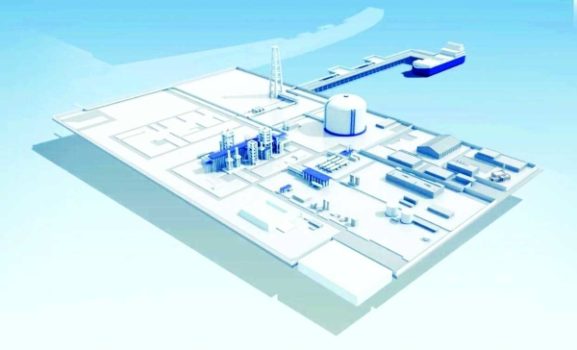
Europe is emphasizing domestic fertilizer production. Although about one-third of the world’s traded urea and around 20% of ammonia pass through the Strait of Hormuz, the direct impact on Europe remains minimal. A spokesperson for the German Agricultural Industry Association (IVA) stated that Europe has imported very little fertilizer from the region for years.
In Germany, approximately 75% of nitrogen fertilizer needs are met through domestic production, with an even higher proportion for potash fertilizers. Nevertheless, the indirect consequences of rising gas and liquefied natural gas prices, which affect the European chemical and fertilizer industries, are strongly felt.
The sharp increase in gas prices in Western Europe due to the war in Ukraine has already weakened the local chemical sector. In response, the IVA is urging support for domestic production and advocating for higher tariffs on Russian potash imports.
Special Analysis by Omanet | Navigate Oman’s Market
The ongoing war in Iran, causing a 30-40% surge in mineral fertilizer costs, signals rising input costs for agriculture globally, which could push food prices higher and impact supply chains. For businesses in Oman, this creates an opportunity to invest in local fertilizer production and alternative agricultural technologies to mitigate import dependency and price volatility. Smart investors should consider diversifying into agri-tech innovations and energy-efficient fertilizer solutions to capitalize on shifting market dynamics driven by energy prices and geopolitical tensions.