Iran Conflict Causes Disruption in Europe’s Industrial Sector: What It Means for Global Investors and Businesses
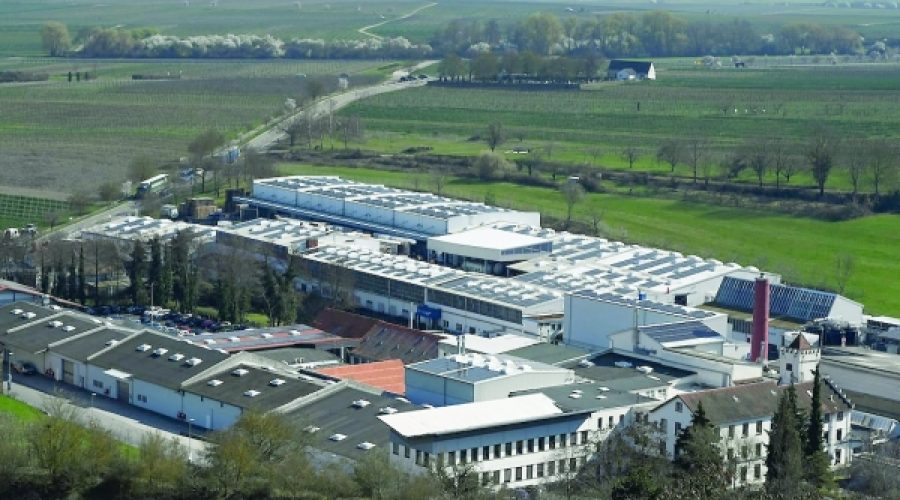
KLEINKARLBACH, Germany — In a modest office decorated with plastic pots and detergent packaging at German chemical firm Gechem, owner Martina Nighswonger is confronting mounting challenges with a growing sense of urgency.
After grappling for years with the repercussions of the global pandemic, soaring energy costs triggered by Russia’s invasion of Ukraine, and punitive U.S. tariffs, the ongoing war in the Middle East is now driving up the prices of crucial raw materials once again.
“There’s just no relief. Each year, profits shrink a bit more until they vanish entirely,” Nighswonger said at Gechem’s plant in Kleinkarlbach, where she now convenes daily crisis meetings and vents frustration on a punching bag. “It’s exhausting, and you reach a point where you just don’t know what to do anymore.”
Gechem, which produces chemicals for household cleaning products and bottles brake fluid for the automotive industry, is among the many European companies bearing the brunt of the latest crisis affecting sectors from chemicals and plastics to metals, textiles, and toys.
While the global consequences of the Gulf conflict are widespread, European industries are experiencing a more severe impact due to already elevated energy costs, according to executives from Germany, France, Denmark, and Switzerland.
Following Iran’s blockade of the Strait of Hormuz, which interrupted oil exports after attacks by Israel and the United States, further retaliatory strikes on major gas facilities in Iran and Qatar last week have driven crude oil prices close to $120 per barrel — nearly double the cost at the start of 2026.
Germany’s economy alone could incur losses of up to 40 billion euros ($46 billion) over the next two years if oil prices remain at $100 per barrel, the IW German Economic Institute warns. This illustrates how vulnerable Europe’s industries have become after enduring years of high energy expenses, fierce competition from China, and factory shutdowns.
Europe’s largest economy, still struggling with the aftermath of the Ukraine war, faces some of the highest wholesale power prices globally, at $132 per megawatt hour (MWh). This surpasses prices in the United States ($48 per MWh) and the EU average ($120 per MWh), according to data from the International Energy Agency.
“Europe is clearly on the frontline and lacks the capacity to absorb a second major energy shock in such a short timeframe,” noted Ipek Ozkardeskaya, senior analyst at Swiss bank Swissquote. “Germany and the UK appear most vulnerable to this energy crisis.”
Gechem, established in 1861, represents Germany’s Mittelstand—3.4 million mid-sized companies that collectively employ over 33 million people and contribute more than half of the nation’s economic output.
The company, which reported sales of 46 million euros last year and employs 165 people, has frozen new hires and, for the first time in nearly twenty years, is considering potential layoffs, Nighswonger revealed.
Planned investments to acquire a new bottling machine and expand the company’s solar power installation—projects valued at several million euros—have been suspended.
These disruptions are partly due to a 20% surge in the price of sulfamic acid, sourced from Asian suppliers and used in Gechem’s toilet and dishwasher tablets, which has already added between 300,000 and 400,000 euros to operating costs this year, Nighswonger added.
— Reuters
Special Analysis by Omanet | Navigate Oman’s Market
The spiraling energy costs and geopolitical tensions that severely impact European industries, as illustrated by Germany’s chemical sector struggles, highlight the critical importance of energy security and supply chain resilience. For businesses in Oman, this creates a significant opportunity to attract European manufacturing and industrial investments seeking more stable, cost-effective energy and raw material sources. Smart investors should consider leveraging Oman’s strategic location and energy resources to position it as a regional hub, while also diversifying into renewable energy projects to mitigate risks linked to global energy volatility.