Jet Fuel Price Spike from $95.95 to $197: What This Surge Means for Your Business Costs and Investment Decisions
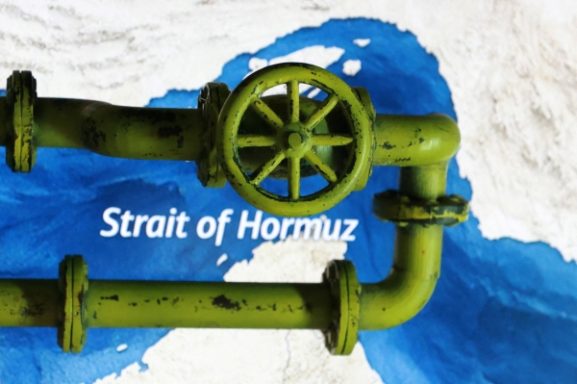
Muscat: Jet fuel prices have been on a steady rise since the onset of the Iran War on February 27.
On February 20, the weekly average price per barrel stood at $95.95. This increased by 3.6% to $99.40 on February 27, just a day before the conflict began. In the subsequent weeks, prices surged sharply: by 58.4% to $157.41 on March 6, then by 11.2% to $175 on March 13, and further by 12.6% to $197 on March 20.
Regionally, the average weekly price increases have varied, with Asia and Oceania experiencing a 16.6% rise, Europe and the CIS 11.8%, the Middle East 15.6%, North America 10.4%, Latin and Central America 11.75%, and Africa 13.25%.
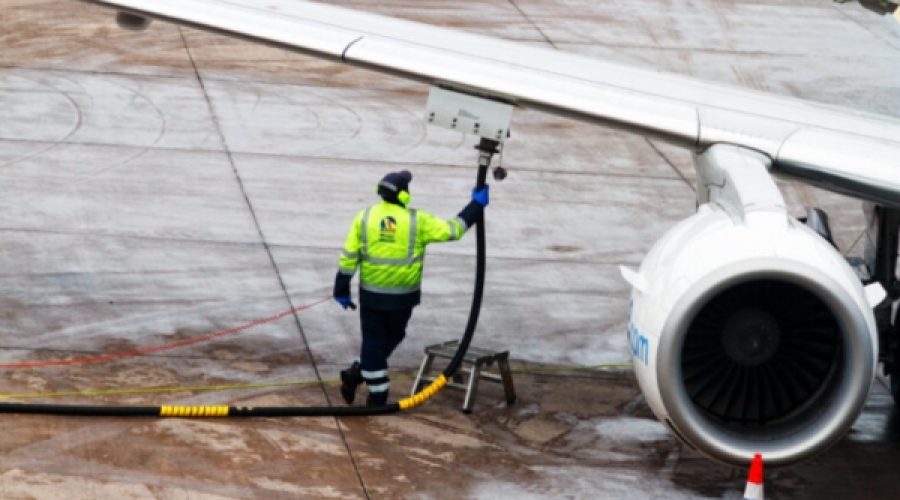
According to the International Air Transport Association (IATA), jet fuel represents one of the highest costs for airlines, alongside labor. Price volatility significantly impacts the airline industry’s profitability, particularly when changes occur rapidly. Such swift fluctuations are classified as shocks and present challenges for airlines to adjust their operations in a timely manner.
The most severe impacts arise when fuel prices surge quickly, leaving airlines little time to adapt their strategies. For example, in 2008, jet fuel prices increased approximately 40% year-on-year to $127 per barrel, a level equivalent to about $190 per barrel in 2025. This sharp rise caused industry operating margins to plummet from around 4% to nearly zero, as airlines struggled to pass on costs swiftly enough to maintain profitability.
The critical takeaway is that airline profitability is highly sensitive to the speed of fuel price changes. While consistently high but stable fuel prices allow airlines to adjust pricing and operations gradually and sustain profitably—with typically reduced margins—price shocks drive costs up faster than revenues can respond, significantly risking margin erosion and reduced industry profits.
Special Analysis by Omanet | Navigate Oman’s Market
The rapid surge in jet fuel prices due to the Iran War poses significant risks to Oman’s aviation sector, threatening airline profitability through sharp cost shocks that are difficult to manage swiftly. For businesses, this calls for strategic cost management and flexible pricing models, while investors should closely monitor fuel price trends and potential volatility that could impact airline and related tourism investments. Entrepreneurs can explore opportunities in fuel efficiency innovations and alternative energy solutions to mitigate future risks.