Surging Maritime Insurance Premiums Amid Iran Conflict: What It Means for Your Shipping and Trade Investments
As the Gulf conflict intensifies, maritime insurance premiums for war coverage have skyrocketed, in some instances increasing by more than 1000%, significantly raising the costs of transporting energy through this vital maritime corridor.
The latest escalation began with Israeli and U.S. airstrikes on Tehran last Saturday, effectively halting traffic through the Strait of Hormuz—a critical global shipping chokepoint. Iran declared on Monday that it would attack any vessel attempting to pass, and at least nine ships have been damaged since hostilities commenced.
War risk insurance, which covers damage to ships or cargo resulting from conflict or terrorism, typically comes in annual policies or single-voyage coverage through high-risk zones. The surge in premiums highlights the growing financial burden on ship owners, traders, and energy firms operating in the Strait, fueling concerns that the ongoing conflict could exacerbate inflation if it continues.
Stephen Rudman, head of marine in Asia at global insurance broker Aon, noted that the “hull war market has reacted more immediately” due to the elevated risk of multiple vessels being damaged in close proximity. He warned that if tensions escalate further, insurance rates will likely rise again. “Additional premiums for vessels transiting high-risk waters are increasing sharply and may continue to fluctuate in the short term,” he added. Cargo war risk premiums are also climbing, with insurers reviewing rates on a voyage-by-voyage basis, especially for energy and bulk commodity shipments.
Jefferies analysts estimated on March 5 that industry losses from the seven reported damaged vessels could total up to $1.75 billion. Given that most tankers are valued between $200 million and $300 million, a new insurance rate of 3% equates to a hull war risk premium of approximately $7.5 million, a stark rise from the pre-conflict rate of 0.25%, or $625,000.
Angus Blayney, marine divisional director at major insurance broker Gallagher, confirmed that London market insurers continue to offer coverage though rates are increasing. Costs vary depending on vessel type, cargo, and route.
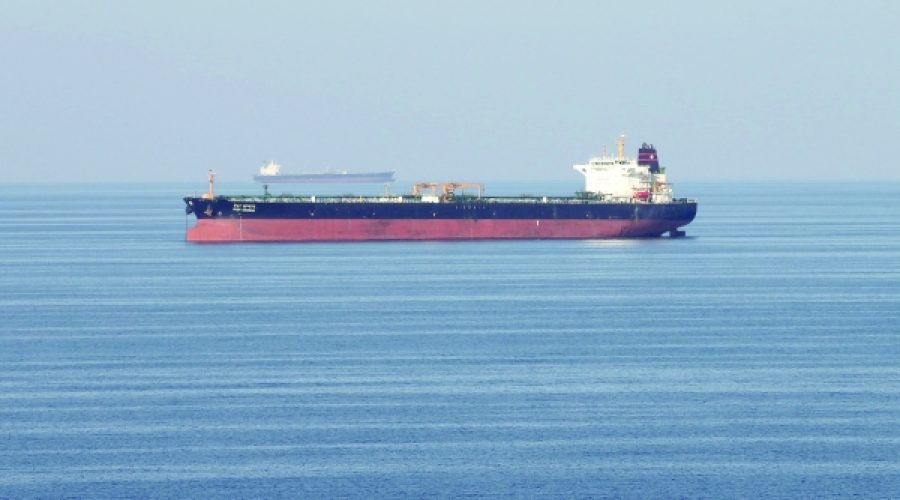
The Strait of Hormuz remains a concentrated risk area, with over 20 million barrels of crude oil, condensate, and fuels passing through daily last year, accounting for about one-fifth of global oil consumption. Sheila Cameron, CEO of Lloyd’s Market Association, pointed out that roughly 1,000 vessels—around half being oil and gas tankers—operate in the Persian/Arabian Gulf and surrounding waters with a combined hull value exceeding $25 billion. Most of these ships are insured in the London market, where coverage currently remains intact.
Reports indicate at least 200 ships are anchored off the coasts of major Gulf producers, awaiting safer conditions. Morningstar DBRS warned that reinsurers might respond by raising their loss thresholds or cutting capacity, forcing primary underwriters to retain more risk and potentially straining their solvency. Supply chain disruptions are expected as cargo is rerouted around the Cape of Good Hope or overland, increasing costs and transit times.
In response, the Trump administration is seeking ways to lower oil prices by restoring maritime traffic. On Tuesday, President Donald Trump announced the possibility of the U.S. Navy escorting oil tankers through the Strait and directed the U.S. International Development Finance Corporation to offer political risk insurance and financial guarantees for Gulf maritime trade. Trump also met with global insurance broker Marsh to discuss these initiatives, with Lloyd’s confirming ongoing engagement with relevant stakeholders.
Despite these efforts, analysts caution that the administration’s exact intervention plans remain unclear, as does whether any support would extend to ships and cargo of all nationalities. Without alternative solutions, many ship owners are expected to resume their previous insurance coverage at elevated rates, absorbing higher costs.
As Dr. Michel Léonard, chief economist at the Insurance Information Institute, aptly summarized, “It’s like insuring a burning building.”
Key Points:
- War risk insurance protects shipowners against conflict-related damage.
- Potential losses from reported damaged vessels may reach $1.75 billion.
- Over 20 million barrels of oil and fuels transit the Strait daily.
- Current hull war risk premiums have risen from 0.25% to approximately 3%, increasing cost from $625,000 to $7.5 million per tanker.
- The U.S. administration’s intervention strategy and scope remain uncertain.
- Cargo war risk premiums are rising, particularly for energy and bulk commodities.
Special Analysis by Omanet | Navigate Oman’s Market
The sharp surge in maritime insurance premiums due to escalating Gulf conflict significantly raises the cost of energy exports through the Strait of Hormuz, posing inflationary risks and supply chain disruptions. Omani businesses and investors should anticipate higher operational costs and consider diversifying logistics routes and insurance strategies to mitigate concentrated geopolitical risks. Smart entrepreneurs could explore opportunities in alternative shipping routes and risk management services to capitalize on this market turbulence.