Markets in 2025: What Investors Need to Know About Gold, Economic Stability, and the Future of the Dollar
Most investors anticipated a distinctive year with Donald Trump’s return to leadership in the world’s largest economy, yet few foresaw the extent of market volatility or the outcomes that would unfold.
Global stock markets rebounded from the sharp downturn triggered by April’s “Liberation Day” tariffs and have surged 21% in 2025, marking six out of the last seven years with double-digit gains. However, when examining other asset classes, the surprises are more pronounced.
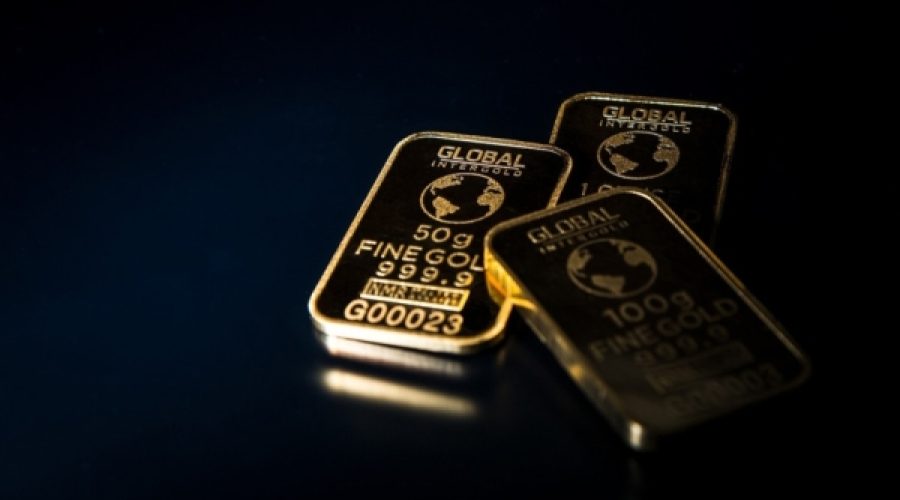
Gold, traditionally seen as a safe haven during turmoil, soared nearly 65%, marking its strongest annual performance since the 1979 oil crisis. Meanwhile, the U.S. dollar declined by almost 10%, oil prices dropped nearly 18%, and the riskiest junk bonds in the debt markets have climbed sharply.
The “Magnificent Seven” U.S. tech giants appeared to lose some momentum following Nvidia’s milestone as the first company to reach a $5 trillion market valuation in October. Bitcoin also experienced a significant setback, plunging about one-third of its value.
Bill Campbell, portfolio manager at DoubleLine, described 2025 as “the year of change and the year of surprises,” highlighting that the dramatic market movements were interconnected with broader themes: trade tensions, geopolitical challenges, and debt concerns.
Campbell added, “If you had told me beforehand that Trump would pursue highly aggressive trade policies in such a sequence, I wouldn’t have expected market valuations to remain as tight or elevated as they are today.”
European defense stocks surged 56%, driven by Trump’s signals to reduce U.S. military protection in Europe, prompting NATO members to boost their defense spending. This dynamic also propelled European banking shares to their best year since 1997, while South Korean stocks jumped 75%, and defaulted Venezuelan bonds nearly doubled in value. Precious metals like silver and platinum posted spectacular gains of 145% and 125%, respectively.
U.S. bond markets felt the impact of three Federal Reserve rate cuts, Trump’s critiques of the Fed, and broader debt apprehensions. The president’s expansive spending initiatives pushed the 30-year Treasury yield over 5.1% in May, its highest since 2007, though it later settled back to 4.8%. The widening difference between long- and short-term interest rates, known as the “term premium,” is causing renewed market unease.
Japanese 30-year government bond yields also hit record highs, even as global bond market volatility reached a four-year low. Emerging market local-currency debt recorded its best year since 2009. The AI sector contributed to increased borrowing as companies invested heavily; Goldman Sachs estimates that major AI “hyperscalers” spent nearly $400 billion in 2025 and plan to spend close to $530 billion in 2026.
Currency markets reflected notable shifts: the euro rose almost 14%, the Swiss franc climbed 14.5%, and China’s yuan broke past 7 per U.S. dollar. The Japanese yen remained flat despite significant depreciation in December. Trump’s renewed engagement with Russian President Vladimir Putin helped the Russian rouble surge 40%, although it remains heavily sanctioned. However, the rouble was narrowly outpaced by Ghana’s gold-linked cedi, which rose 41%.
Central European currencies like Poland’s zloty, the Czech crown, and the Hungarian forint appreciated between 15% and 21%. Taiwan’s dollar surged 8% within two days in May, while Mexico’s peso and Brazil’s real posted double-digit gains despite trade war tensions.
Jonny Goulden, head of emerging market fixed income strategy at J.P. Morgan, remarked, “We believe a bear market cycle for emerging market currencies that has lasted 14 years has now turned.”
Argentina’s markets were volatile, initially suffering after President Javier Milei’s regional election defeat in September, then rallying following a $20 billion pledge from Trump that helped Milei secure a decisive national midterm victory.
In the cryptocurrency space, Trump launched a memecoin and granted a presidential pardon to Binance founder Changpeng Zhao. Bitcoin reached an all-time peak above $125,000 in October but fell back below $88,000, ending the year down over 6%.
Looking ahead to 2026, turbulence is expected to continue. Trump is gearing up for midterm elections in November and is likely to soon announce a new Federal Reserve chair, a decision with major implications for the central bank’s autonomy.
Investors will watch China’s economic trajectory closely. Israel’s elections before the end of October could affect the fragile Gaza ceasefire. The Ukraine conflict remains deeply unresolved. Hungary’s Viktor Orban faces a challenging election in April, and pivotal elections are set in Colombia and Brazil in May and October, respectively.
Uncertainties surrounding artificial intelligence developments add another layer of complexity.
Matt King, founder of Satori Insights, described the market situation entering 2026 as “remarkable” regarding valuations, with leaders like Trump “looking for excuses” to provide stimulus or tax relief to voters. King warned, “There’s an ongoing risk that we are pushing the limits of what easy money can achieve.” He observed emerging signs of stress, including rising term premiums in bonds, bitcoin’s sharp sell-off, and the sustained gold rally.
Special Analysis by Omanet | Navigate Oman’s Market
The volatile global landscape shaped by Trump’s aggressive trade policies, AI investments, and geopolitical tensions presents both risks and opportunities for Omani businesses. The surge in safe-haven assets like gold and volatility in technology and bond markets underscore the need for diversified investment strategies and a cautious approach to debt exposure. Smart investors and entrepreneurs in Oman should closely monitor geopolitical developments and leverage emerging sectors like AI, while hedging against market unpredictability to safeguard growth.