Non-Oil Sector Emerges as Key Stability Driver: What This Means for Investors and Businesses in Oman
Oman’s economy has started 2026 on a relatively steady path, buoyed by ongoing growth in non-oil sectors and stable inflation, despite challenges from lower oil prices and a significantly reduced trade surplus, which indicate mounting external pressures.
According to the Ministry of Economy’s March 2026 Economics Brief, early indicators for the first quarter show inflation averaging 1.69 percent in January and February, confirming that price levels remain well controlled. However, oil prices have softened, with the average crude price declining by 13.1 percent year-on-year to $63.3 per barrel by the end of February.
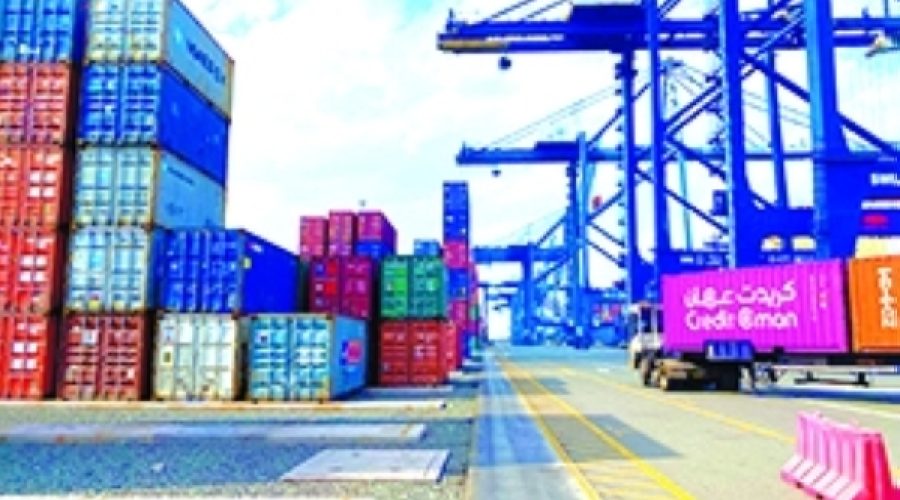
Reflecting this trend, Oman’s trade surplus sharply contracted to RO 255.9 million by the end of January, marking a 51.5 percent decrease compared to the same period last year. Imports increased by 10.9 percent to RO 1.58 billion, signaling steady domestic demand, while non-oil exports rose 15.3 percent to RO 613 million, underscoring sustained activity in the non-oil economy.
Investment figures present a mixed picture. Total foreign direct investment grew by 8.1 percent to RO 31.38 billion by the end of 2025, yet capital inflows dropped 33.7 percent to RO 2.36 billion, indicating a slowdown in new investment entering the market.
The latest GDP data, serving as a baseline for early 2026, shows the economy expanded by 2.4 percent at constant prices to RO 39.30 billion by the end of Q4 2025. Growth was primarily driven by non-oil sectors, which increased 3.1 percent to RO 28.70 billion, in contrast to petroleum activities, which grew 1.1 percent to RO 12.02 billion.
Overall, the data indicates that Oman’s economic momentum is firmly supported by non-oil sector expansion and stable domestic conditions. However, softer oil markets, reduced investment inflows, and a narrowing trade surplus could pose challenges to the economic outlook in the coming months.
Special Analysis by Omanet | Navigate Oman’s Market
Oman’s economic resilience is increasingly anchored in the growth of non-oil sectors, presenting a strategic shift for businesses to diversify beyond hydrocarbons. However, weaker oil prices and a narrowing trade surplus pose risks of external pressure, signaling that smart investors should prioritize sectors within the thriving non-oil economy and monitor global energy market trends closely. Entrepreneurs and investors must balance opportunities in expanding domestic demand with caution regarding the slowdown in foreign investment inflows.