Oil Price Surge Sparks Market Dip: What Investors and Businesses in Oman Need to Know About Regional Uncertainty
LONDON — Oil prices surged and stock markets declined on Thursday following US President Donald Trump’s threat of intensified military strikes on Iran, without offering a clear plan to reopen the strategically vital Strait of Hormuz.
In his address to the nation, Trump once again urged countries reliant on the waterway for energy supplies to take the initiative in reopening it. He indicated that the US is “very close” to achieving its military objectives but warned of “extremely hard” strikes against Iran within the next two to three weeks.
Iran promptly responded with a warning to the US and Israel, promising “more crushing, broader, and more destructive actions.”
The president’s speech, delivered late Wednesday, dashed earlier hopes of de-escalation that had lifted market sentiment.
Brent North Sea crude, the international benchmark, rebounded sharply by about eight percent to over $109 per barrel after trading below $100 ahead of Trump’s remarks.
European stock markets were hit as well, with Frankfurt falling more than two percent and Paris down by one percent in midday trading. London’s market dipped only 0.2 percent, buoyed by approximately three percent gains in shares of energy giants BP and Shell.
Jim Reid, managing director at Deutsche Bank, noted, “Market sentiment has deteriorated overnight after Trump’s much anticipated address delivered little to nothing new on potential timelines or conditions for ending hostilities against Iran. There was no signal of the US seeking an imminent offramp out of the war.”
The US dollar, typically viewed as a safe haven during geopolitical tension, strengthened markedly against major currencies.
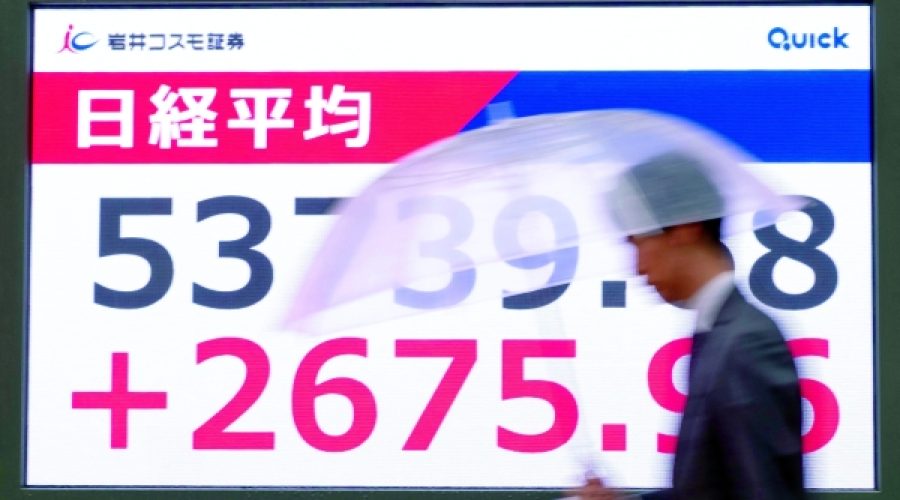
Asian markets also struggled, with Tokyo closing down over two percent, while Hong Kong and Shanghai saw declines.
Since the US-Israeli conflict with Iran began on February 28, financial markets have experienced significant volatility, compounded by Trump’s frequent policy reversals.
— AFP
Special Analysis by Omanet | Navigate Oman’s Market
The escalating US-Iran tensions and resulting surge in oil prices present both risk and opportunity for businesses in Oman, heavily dependent on oil exports. While higher oil prices could boost government revenues and investment capacity, ongoing geopolitical instability underscores the critical need for diversification and risk management. Smart investors and entrepreneurs should closely monitor regional developments and consider strategic investments in sectors less vulnerable to geopolitical shocks to sustain long-term growth.