Oman’s Asyad Shipping Sells Four Ageing LNG Vessels: What This Means for Investors and the Shipping Industry
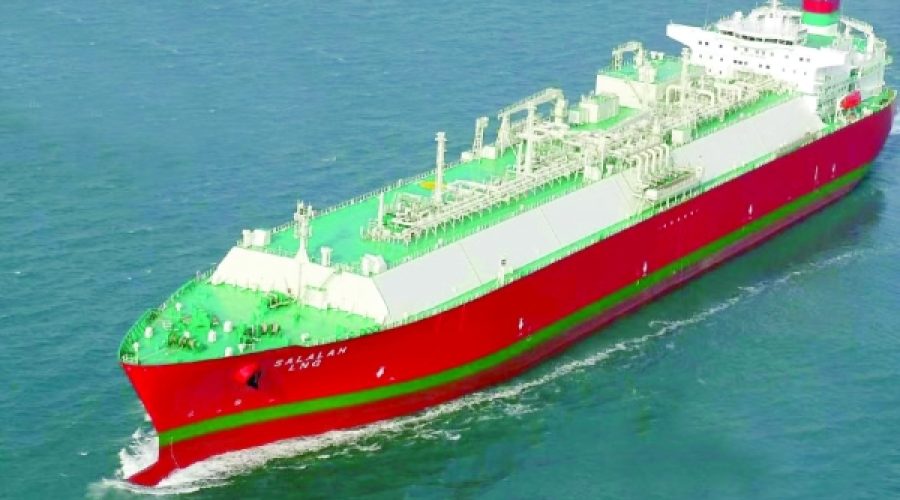
MUSCAT: Asyad Shipping, the majority state-owned Omani national maritime transportation company, has announced the sale of four legacy LNG vessels that were instrumental in establishing Oman as a dependable LNG exporter.
In a statement to the Muscat Stock Exchange on Sunday, the publicly listed company confirmed that an agreement for the sale of the partially owned LNG carriers Ibra, Ibri, Nizwa, and Salalah was finalized last month. This transaction is part of Asyad Shipping’s ongoing fleet renewal strategy and is expected to result in an aggregate negative profit and loss impact of approximately RO 20 million ($51 million), with a portion attributable to non-controlling interests.
The four vessels, built about two decades ago at a total investment of RO 42.35 million ($110 million), represent Oman’s first generation of LNG shipping assets. These carriers supported exports from the Oman LNG and Qalhat LNG facilities in Sur and were delivered between 2005 and 2006. Each vessel, with a capacity of around 145,000 cubic meters, was constructed at leading shipyards in Japan and South Korea and owned through Oman Shipping Company, now known as Asyad Shipping. Named after major Omani cities, they operated primarily under long-term LNG offtake contracts serving Asian markets.
Asyad Shipping noted, “The four vessels being disposed of formed part of the Company’s initial fleet and have served as core assets since the Company’s inception. Following the expiry of their long-term time charter contracts, each spanning approximately 20 years, these vessels demonstrated strong financial and technical performance throughout their operational lives, ensuring reliable international maritime transportation for liquefied natural gas.”
The company added that the disposal reflects its ongoing efforts to optimize the fleet profile in light of the vessels’ age and older technology, as well as the growing regulatory and commercial challenges related to the emissions performance of aging vessels in today’s market.
In a related move last month, Asyad Shipping also sold its Very Large Crude Carrier (VLCC) Saiq for RO 23 million ($60 million). Built in 2011, the vessel is scheduled for delivery to its new owner in the first quarter of 2026.
Looking ahead, Asyad Shipping has outlined an ambitious growth strategy that includes planned investments between $2.3 billion and $2.7 billion through 2029 to expand its fleet across key segments of its diversified shipping portfolio. As of mid-2025, the company operated a fleet of 94 vessels, including owned, leased, and committed ships, up from 86 vessels at the end of 2024.
Special Analysis by Omanet | Navigate Oman’s Market
Asyad Shipping’s disposal of legacy LNG vessels signals a strategic fleet modernization in response to aging assets and evolving environmental regulations. This creates opportunities for investors focused on sustainable maritime technologies and risks for stakeholders tied to older shipping infrastructure. Smart entrepreneurs should consider capitalizing on Oman’s expanding shipping portfolio and regulatory-driven fleet upgrades to align with global market demands and sustainability trends.