Chromium Output Surges Past 353,000 Tonnes in Oman: What This Means for Investors and Industry Growth
MUSCAT: In 2025, Oman’s chromium ore production reached 353,538 tonnes, while sales increased to 387,995 tonnes, generating total revenues exceeding RO 15 million. This growth highlights chromium’s expanding role in the Sultanate’s economic diversification.
The Ministry of Energy and Minerals continues to oversee chromium extraction through well-defined concession allocations and licensing frameworks. These measures aim to ensure efficient resource management and long-term sustainability, aligning with the goals of Oman Vision 2040 to maximise local value addition and strengthen downstream industries.
Engineer Saud bin Khamis al Mahrouqi, Director General of Minerals, emphasized ongoing initiatives to broaden exploration activities and enhance product quality. Additionally, exports are managed via a dedicated metals trading company to optimise value realisation and position Oman as a key regional hub.
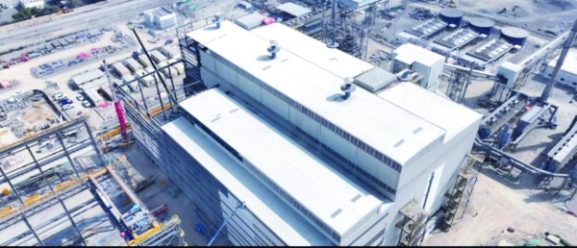
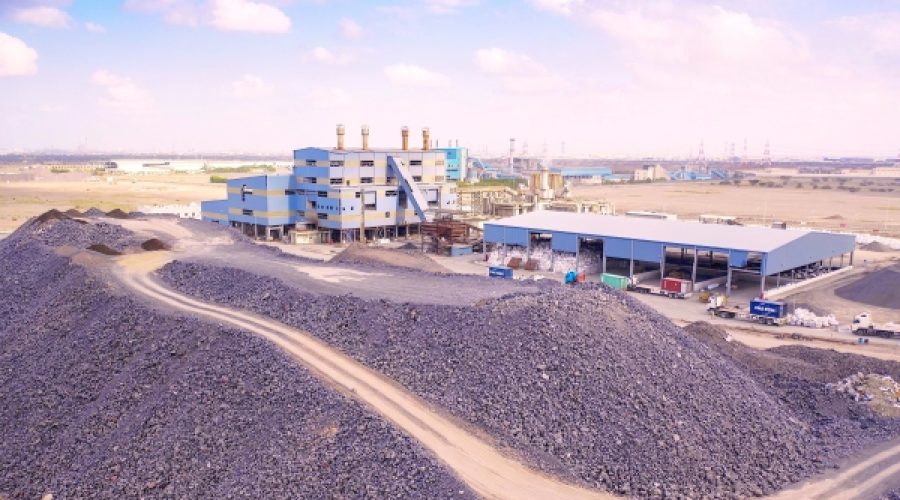
The majority of chromium output is exported through Omani ports to markets across Asia and Europe. Authorities are also promoting investment in ferrochrome smelting and related manufacturing sectors to reduce raw material exports and foster deeper industrial linkages.
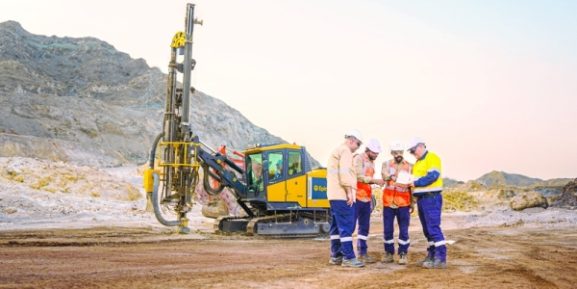
Oman’s chromium deposits are part of the significant ophiolite belt extending along the Al Hajar Mountains, from Shinas to Wadi Bani Khalid. Currently, 29 licensed quarries operate under regulatory supervision.
Chromium remains strategically vital due to its essential uses in stainless steel, ferroalloys, refractories, and specialised chemicals. By enhancing governance, encouraging exploration, and supporting downstream processing, the Ministry aims to boost competitiveness, attract investment, and ensure sustainable returns from this critical mineral resource. — ONA
Special Analysis by Omanet | Navigate Oman’s Market
Oman’s growing chromium production and export revenue, aligned with Vision 2040, signal significant opportunities for businesses to invest in downstream processing and ferrochrome smelting to capture higher value. However, the government’s strong regulatory framework emphasizes sustainability and efficient resource use, which smart investors must navigate carefully to maximize long-term returns. Strategic moves now entail leveraging Oman’s position as a regional metals hub while anticipating increased industrial diversification in the minerals sector.