Destination-Led Living Gains Momentum in Oman: What This Means for Investors and Business Growth
MUSCAT — In 2026, Oman is experiencing a transformative shift in its real estate and urban planning sectors through the emerging concept of destination-led living. This approach departs from traditional “dormitory” residential areas by creating integrated communities that seamlessly combine leisure, nature, and residency.
This trend is largely propelled by Oman Vision 2040, which emphasizes sustainable urban development and economic diversification. The key elements driving this movement include integrated tourism complexes (ITCs), wellness and nature-inspired design, smart city initiatives, and sustainability.
Integrated tourism complexes serve as the cornerstone of destination-led living. These self-contained “micro-cities” allow non-GCC nationals to acquire freehold property ownership accompanied by automatic residency rights. Today’s buyers seek more than a home; they desire access to amenities such as marinas, golf courses, and private beaches.
Developers are leveraging Oman’s unique geography—its cooler mountain climates and pristine coastlines—to attract residents pursuing healthier lifestyles. One notable example is Jabal Sifah by Muriya, which has seen a surge in wellness-oriented projects like Olive Farms by Raya. This development rapidly sold out its first phase in early 2026.
Engineer Ashraf Nessim, CEO of Muriya, commented on the launch of Olive Farms by Raya: “This project represents a natural evolution of our vision for Jabal Sifah and directly addresses what today’s homeowners seek—healthier, more meaningful ways of living. Inspired by the strong demand for Sifah Farms, this new phase reflects our customer-centric philosophy and our commitment to fostering communities that prioritize wellbeing, nature, and quality of life. In alignment with Oman Vision 2040, Olive Farms by Raya embodies our belief that sustainable living and healthy environments are essential for building resilient communities and future generations.”
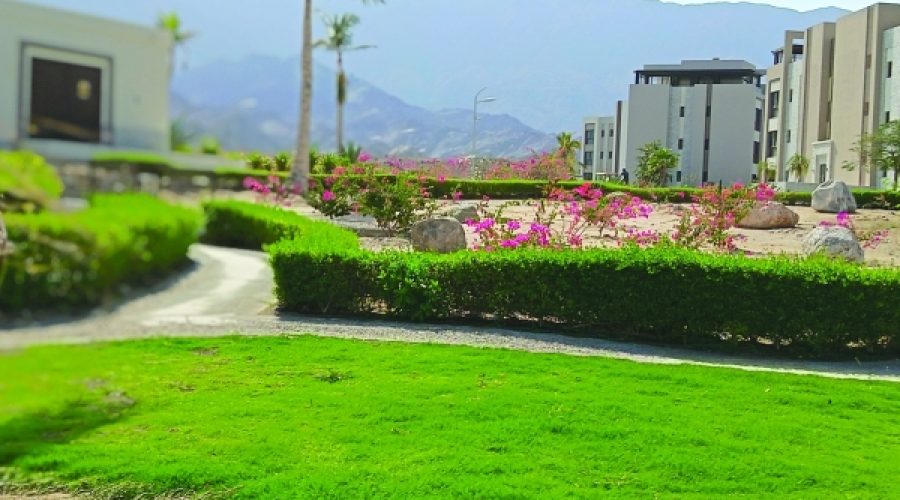
Located approximately 45 minutes from Muscat, Jabal Sifah lies between the Al Hajar Mountains and the Sea of Oman, emerging as a prime location for long-term wellbeing and destination-led living. Spanning over six million square meters of coastal land, the development includes a world-class marina, a championship 9-hole golf course, a boutique hotel, waterfront dining and retail options, and a variety of freehold residential units—from beachfront villas and townhouses to serene apartments with panoramic sea and golf course views. Remarkably, over 85% of the area is dedicated to open green spaces and outdoor amenities, facilitating walking trails, jogging, cycling, and active family lifestyles.
Earlier this year, Jabal Sifah initiated a tree-planting campaign, introducing olive trees across the development as a lasting symbol of health, longevity, and balance. While many Omani nationals have chosen Jabal Sifah as a second home, the community now hosts residents from about 41 different nationalities, attracted in part by simplified “Investor Residency” programs linked to ITC property ownership.
Sustainability efforts increasingly focus on “eco-luxury” housing with lower utility costs. Residents are embracing the coastal lifestyle, exploring the area by boat. Aiman al Rahbi, whose company offers boat and horse rides, shared, “The beaches here are pristine and accessible only by boat. For example, Sugar Beach is famous for its shiny sand.”
From yacht marinas and beach clubs to padel courts and mountain hikes, the diverse range of activities takes full advantage of Oman’s striking physical landscape. The calm, clear waters are perfect for swimming, snorkeling, and diving, offering encounters with coral reefs and marine life.
The modern marina at Jabal Sifah provides yacht berths, boat tours, and is surrounded by dining and shopping options. This coastal development prioritizes preserving its natural, rugged beauty while offering luxury, low-density living. Over 85% of the area remains dedicated to open, unspoiled environments.
Experts attribute the surge in destination-led living to Oman’s deliberate “slow and steady” urbanism strategy, which emphasizes low-rise, high-privacy, culturally authentic developments. This has positioned Muscat as a leading global destination for 2026 in travel and residency rankings, appealing to those seeking environments that provide “space to think.”
This trend also aligns with broader global shifts post-pandemic, where wellness, remote work, and community-focused living have become priorities. In essence, working from home could very well mean working from one of Oman’s destination homes.
Oman’s destination-led living model is setting a new benchmark in sustainable, integrated, and wellness-oriented communities — a testament to the nation’s commitment to vision-driven urban growth and quality of life.
Special Analysis by Omanet | Navigate Oman’s Market
Oman’s shift to destination-led living anchored in sustainability and wellness presents a transformative opportunity for businesses to capitalize on integrated tourism complexes (ITCs) and eco-luxury real estate. Entrepreneurs and investors should strategically focus on leveraging Oman’s unique geography and regulatory incentives like freehold ownership and investor residency to attract a diverse expatriate community and promote long-term, health-oriented lifestyles. This trend aligns with Oman Vision 2040, emphasizing resilient, community-centric developments that support economic diversification and sustainable urban growth.