Oman Economy Shows Resilience Amid Global Risks: What It Means for Investors and Business Owners
MUSCAT: The Ministry of Economy has emphasized improving economic prospects for Oman, driven by resilient domestic indicators and a gradual recovery in global conditions, despite ongoing uncertainties related to international trade and energy market volatility.
The ministry’s latest quarterly bulletin notes that the International Monetary Fund (IMF) upgraded its global growth forecast to 3.3 percent in January 2026, up from 3.1 percent projected in October 2025. This revision reflects the global economy’s resilience in absorbing last year’s trade disruptions, supported by easing tariff pressures and sustained investment, particularly in artificial intelligence and advanced technologies.
The IMF maintained its 3.3 percent growth outlook for 2025 but highlighted potential downside risks from evolving geopolitical tensions and rapid technological changes. Global trade growth is expected to slow to 2.6 percent in 2026, down from 4.1 percent in 2025, indicating softer external demand. Inflation is projected to ease to 3.8 percent, while global debt is forecasted to reach a record $348 trillion by the end of 2025, largely driven by increased public borrowing in major economies.
Against this global backdrop, Oman’s fiscal position shifted in 2025, with the state budget posting a deficit of RO 480 million compared to a surplus of RO 540 million in 2024. This downturn mainly resulted from a decline in oil and gas revenues, causing a 7.99 percent fall in total public revenues, while public expenditures remained broadly stable.
Despite these challenges, Oman’s credit profile improved, reflecting enhanced fiscal management and economic stability. Fitch Ratings upgraded Oman to investment grade (BBB-) with a stable outlook, Standard & Poor’s reaffirmed its BBB- rating with a stable outlook, and Moody’s raised Oman’s rating to Baa3 with a stable outlook, all underscoring confidence in the country’s ability to meet its financial commitments.
Oman’s external trade showed mixed results in 2025. Total merchandise exports declined by 7.14 percent to RO 23.26 billion, mainly due to a 15.21 percent drop in oil exports. However, non-oil exports grew strongly by 7.48 percent, reflecting ongoing diversification efforts. Imports increased by 2.72 percent to RO 17.17 billion, resulting in a trade surplus of RO 6.10 billion.
Economic activity continued to grow, with GDP at current prices expanding by 2.3 percent to RO 42.14 billion in 2025. This growth was led by a sharp 56.94 percent rise in natural gas activities and a 3.71 percent increase in non-oil sectors. At constant prices, GDP grew by 2.4 percent, supported by a 3.11 percent expansion in non-oil sectors including agriculture, industry, and services. The oil sector also recorded a modest 1.09 percent value-added increase.
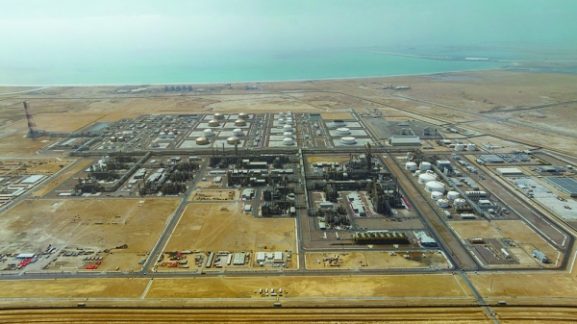
Inflation remained low, slightly rising to 0.99 percent in 2025 from 0.60 percent the previous year, staying within manageable levels. Foreign direct investment (FDI) rose by 8.13 percent to RO 31.38 billion by the end of 2025, with the oil and gas extraction sector receiving the largest share, followed by manufacturing and financial services.
In terms of FDI origins, the United Kingdom led as the top investor, followed by the United States and Kuwait.
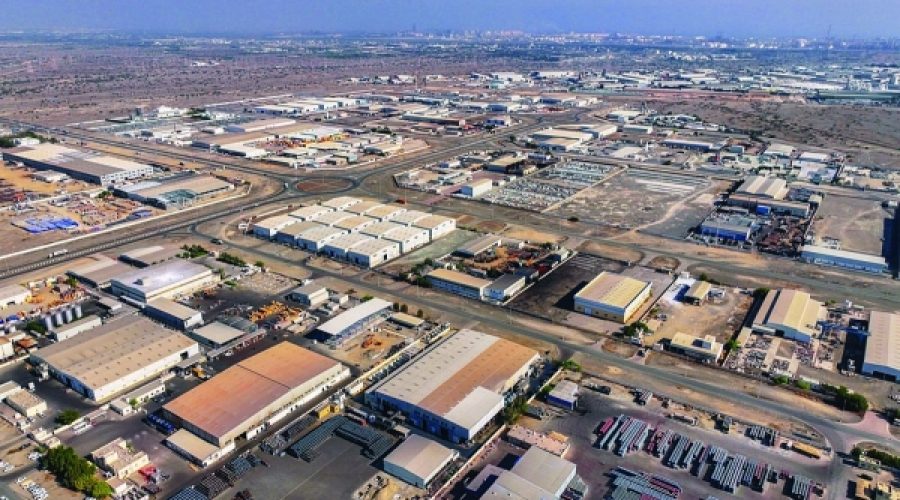
The Ministry of Economy affirmed that these indicators collectively demonstrate strengthening economic resilience, supported by steady non-oil sector growth, improved fiscal discipline, and a more attractive investment climate, positioning Oman for a more optimistic medium-term outlook. — ONA
Special Analysis by Omanet | Navigate Oman’s Market
Oman’s economic outlook shows resilience amid global uncertainties, driven by strong non-oil sector growth and improved fiscal management, despite a dip in oil revenues. Smart investors and entrepreneurs should capitalize on the expanding natural gas sector, rising foreign direct investment, and diversification initiatives, while remaining vigilant of geopolitical risks and global trade moderations. This balanced environment presents opportunities for strategic investment in technology and non-oil industries to sustain long-term growth.