Oman’s Electricity Output to Surge 5% by November 2025: What This Means for Investors and Businesses
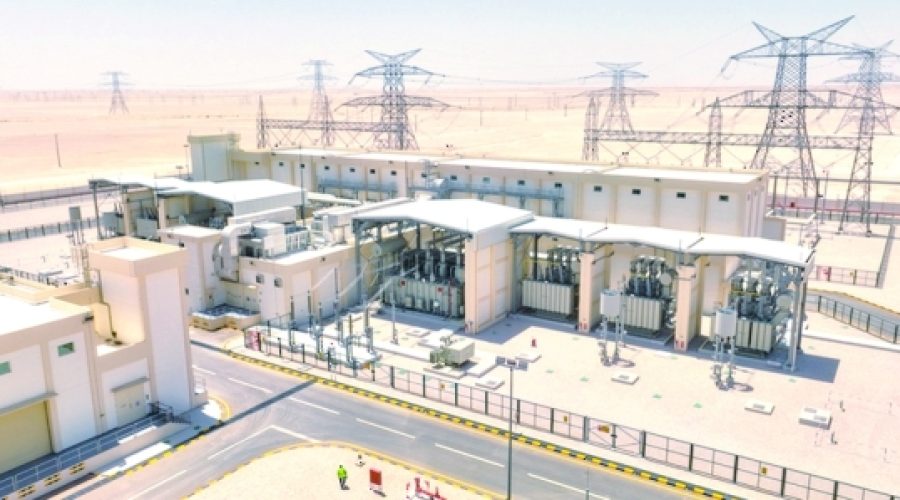
MUSCAT: Electricity production in Oman increased by 5 percent by the end of November 2025, reflecting steady growth in power generation aligned with changing demand patterns across the country, official electricity sector data revealed.
Total electricity output reached approximately 48,357.2 gigawatt-hours (GWh) during the first eleven months of 2025, compared to 46,063.5 GWh recorded during the same period in 2024. Net electricity production also showed a significant rise, increasing by 4.3 percent year-on-year to 46,984 GWh, up from 45,044.8 GWh in the corresponding timeframe last year.
At the governorate level, electricity generation remained concentrated in major industrial and population centers. The Al Batinah North, Al Batinah South, and Al Dhahirah Governorates together accounted for the largest share of net electricity production, totaling around 27,980.8 GWh. Following them were the Al Sharqiyah North and Al Sharqiyah South Governorates, which collectively produced approximately 9,975.9 GWh. Dhofar Governorate ranked next with a net production of 4,907.8 GWh.
In contrast, Muscat Governorate experienced a notable decline, with net electricity production falling by 17.6 percent compared to the same period in 2024, highlighting shifts in generation patterns and grid dynamics.
Meanwhile, the water sector recorded a slight contraction. Total water production reached about 466.5 million cubic meters by the end of November 2025, marking a 2.2 percent decrease from 476.9 million cubic meters produced during the same period last year.
Muscat Governorate remained the largest contributor to water production, accounting for approximately 187.2 million cubic meters, followed by Dhofar Governorate with 69.8 million cubic meters. The remaining governorates collectively produced about 209.5 million cubic meters, according to the data. — ONA
Special Analysis by Omanet | Navigate Oman’s Market
The 5% rise in electricity production signals growing industrial and residential demand, particularly in key governorates like Al Batinah and Al Dhahirah, while the decline in Muscat’s electricity output highlights evolving grid dynamics and potential shifts in consumption patterns. For businesses, this points to opportunities in regional energy infrastructure and smart grid solutions, but also the need to adapt to changing demand hubs. Entrepreneurs and investors should monitor these regional trends closely to capitalize on growth areas and mitigate risks linked to evolving power distribution.