Oman’s Five Flagship Heritage Tourism Projects: What Investors and Entrepreneurs Need to Know
MUSCAT, JANUARY 6 — The Sultanate of Oman is making substantial progress toward achieving its Oman Vision 2040 objectives through significant investments in a series of prominent cultural and historical projects. Spearheaded by the Ministry of Heritage and Tourism, these efforts aim to diversify the national economy by positioning Oman as a premier global destination for heritage and ecological tourism.
Spanning from the rugged Musandam cliffs to the historic maritime centers of Sur, the government is establishing an advanced network of museums and visitor centers that harmoniously combine contemporary architectural innovation with the preservation of Oman’s distinctive historical identity.
Central to this cultural expansion is the Natural History Museum in Muscat, located within the extensive Oman Botanic Garden. Currently in the tendering phase, this flagship institution is designed to serve as a dynamic repository of the nation’s geological and biological heritage. The broader Botanic Garden project, recently handed over to the Muscat Municipality for operational management, is one of the largest environmental initiatives in the Middle East.
Equally noteworthy is the Maritime History Museum in Sur, which has received international recognition. Designed by award-winning architect Ibrahim Jaidah, the museum recently underwent value engineering to ensure its ambitious design—reflecting Oman’s rich seafaring traditions—functions as an educational hub while also standing as a sustainable architectural landmark.
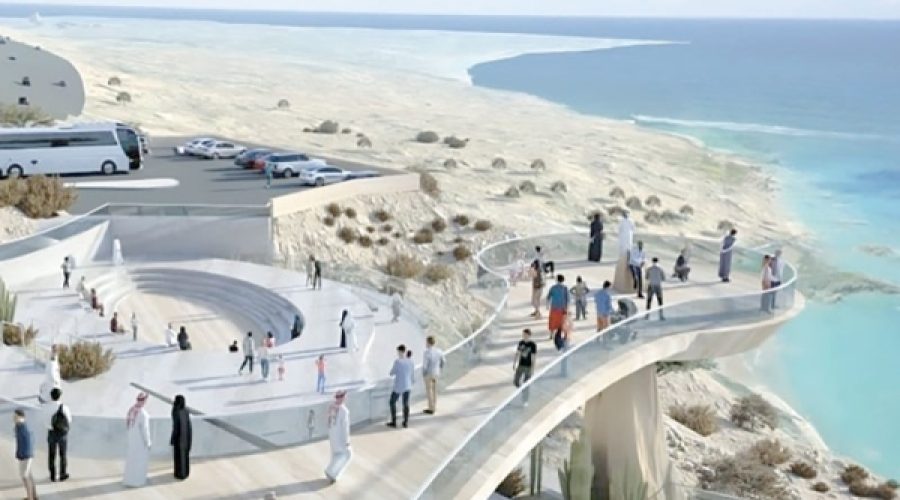
In the northern Musandam region, the Dibba Archaeological Visitor Centre is nearing completion, with construction currently 90% finished. Scheduled to open in 2026, the centre will offer an interactive gateway to Bronze Age excavations and archaeological discoveries. By integrating cutting-edge exhibition technology with active excavation areas, it is expected to become a key destination for researchers and tourists, highlighting the strategic historical significance of the Wilayat of Dibba.
Further south, the ancient city of Qalhat—a UNESCO World Heritage site—is poised for significant development. The Ministry is overseeing the tender process for the Qalhat Archaeological City Visitor Centre, with bids set for review in early 2026. The centre’s design draws inspiration from seashells and local wadi formations, creating a focal point for visitors exploring one of Oman’s most important medieval ports. This project benefits from strategic funding partnerships, including support from Oman LNG, exemplifying the collaboration between public and private sectors to enhance Oman’s heritage infrastructure.
Additionally, the Ministry plans to develop the Bat, Al Khutm, and Al Ayn Archaeological Sites Visitor Centre in the interior Al Dhahirah Governorate. Although still in early stages, tendering is scheduled for the first quarter of 2026. These sites are renowned for their prehistoric beehive tombs and represent some of the most complete settlements and necropolises dating back to the third millennium BC.
By establishing these dedicated visitor centres in remote locations, Oman is safeguarding and promoting access to its most ancient cultural treasures, further reinforcing its leadership in cultural heritage management.
Special Analysis by Omanet | Navigate Oman’s Market
Oman’s ambitious investment in heritage and ecological tourism under Vision 2040 creates substantial opportunities for businesses in sectors such as hospitality, tour operations, and cultural services, positioning the country as a global heritage hub. Smart investors and entrepreneurs should consider aligning with public-private partnerships and innovative sustainable projects to capitalize on this growing market while also navigating the risks linked to preserving authenticity amid modernization. This strategic cultural expansion signals a diversified economic future with enhanced global tourism appeal and ecological stewardship.