New Industrial Clusters in Oman’s Economic Zones: What Investors and Entrepreneurs Need to Know
MUSCAT: Significant progress was made in 2025 across Oman’s economic zones, with large-scale infrastructure, industrial, and renewable energy projects advancing steadily. Authorities have been accelerating the development of specialised industrial clusters and new economic hubs to bolster manufacturing capacity and enhance logistics competitiveness.
Eng Ahmed bin Hassan al Dheeb, Deputy Chairman of the Public Authority for Special Economic Zones and Free Zones (OPAZ), reported during a media briefing that multiple new special economic zones have seen essential developments. In the Al Dhahirah zone, Phase I infrastructure works—including roads and drainage systems—are underway, complemented by agreements with small and medium enterprises engaged in construction. The Al Rawdah Special Economic Zone has also entered the development phase following the signing of a development and operations agreement with Mahdha Development Company, covering an initial area of approximately 14 square kilometres.
At Muscat International Airport Free Zone, about 72 percent of internal roads and basic service networks have been completed, enhancing readiness for logistics-centered investments. Meanwhile, the Special Economic Zone at Duqm has awarded consultancy contracts to design a detailed master plan for a 31-square-kilometre coastal tourism area aimed at attracting international tourism and lifestyle investments.
Sector-focused economic clusters remain central to the ongoing project agenda. These include the Integrated Cold Chain Economic Cluster in Al Duqm, which supports fisheries and food exports; the Integrated Aluminium Cluster in Sohar Industrial City; and feasibility studies for a mining-focused economic cluster in Shaleem and the Al Hallaniyat Islands. Additional studies are exploring the development of a silica and mining industries complex in Al Duqm to maximize the region’s mineral resource potential.
Major renewable energy and heavy industry investments made significant strides during the year. A RO 70 million wind turbine component manufacturing project was launched in Al Duqm, and a large-scale solar cell and module manufacturing project commenced in Sohar Free Zone. Progress also continued steadily in green hydrogen and green ammonia projects in Al Duqm, with initial phases moving closer to production targets.
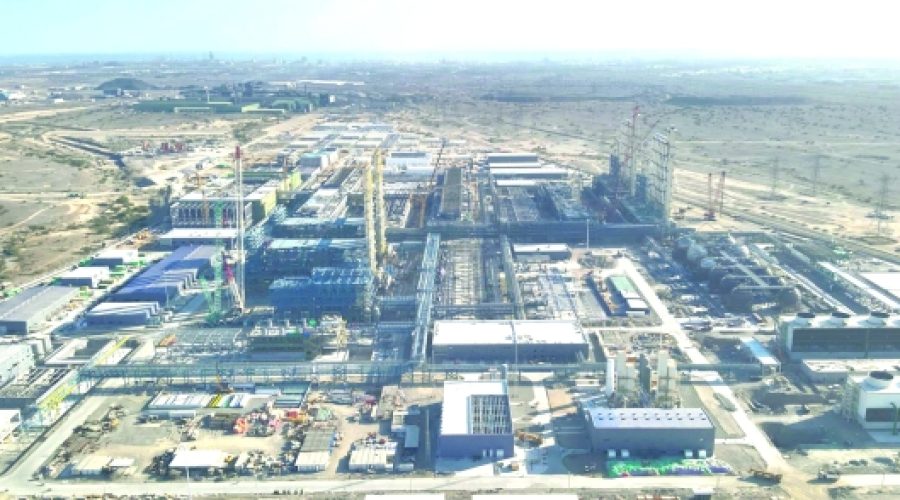
Industrial growth has been further supported by supply-chain integration initiatives led by the Public Establishment for Industrial Estates (Madayn) through the RABT digital platform, which connects local suppliers with industrial operators to reinforce domestic value chains. Additionally, the Green Steel Plant developed by Jindal Steel in Al Duqm surpassed 30 percent completion, underscoring the scale of heavy-industry investments shaping Oman’s next phase of industrial development.
Special Analysis by Omanet | Navigate Oman’s Market
Oman’s aggressive development of specialised economic zones and industrial clusters signals a strategic shift towards manufacturing, logistics, and renewable energy, presenting significant opportunities for businesses to tap into emerging sectors like green hydrogen, aluminium, and cold-chain logistics. Smart investors should consider early entry into these zones and partnerships with SMEs to leverage infrastructure growth and government-backed initiatives, while also monitoring risks associated with project execution timelines and market demand fluctuations. This expansion underscores Oman’s commitment to industrial diversification, positioning it as a regional hub for sustainable industrial growth.