Oman Manufacturing Sector Hits RO 3.7 Billion: What This Growth Means for Investors and Entrepreneurs
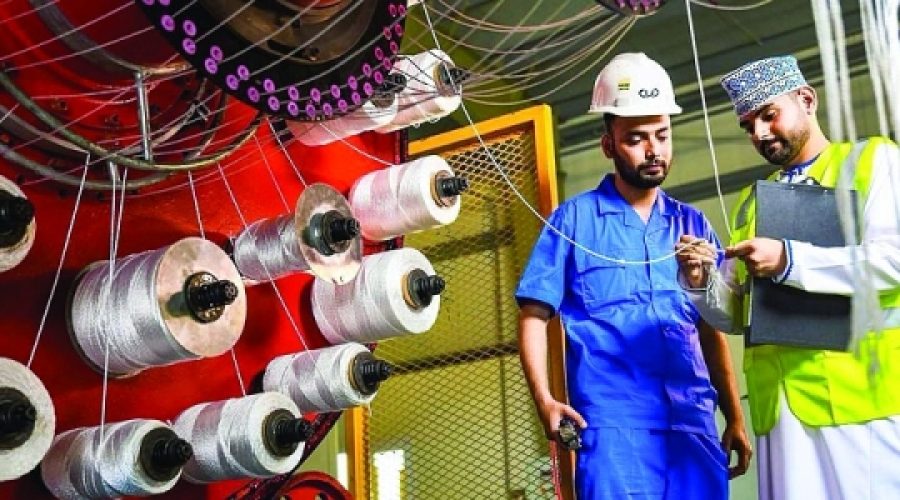
MUSCAT: Oman’s manufacturing sector has demonstrated strong growth throughout the Tenth Five-Year Development Plan (2021–2025). Output is projected to increase from approximately RO 3.019 billion in 2021 to nearly RO 3.710 billion in 2025 at constant prices, representing cumulative growth of around 22 percent and an average annual rise close to 5 percent.
The Ministry of Commerce, Industry and Investment Promotion attributes this positive performance to flexible economic policies and targeted initiatives designed to strengthen the industrial base, enhance productivity, and encourage investment in value-added activities. These strategic measures have established manufacturing as a key pillar in Oman’s economic diversification efforts and the reduction of dependency on hydrocarbons.
Officials highlighted that this growth reflects a tangible expansion in production capacity, supported by improved infrastructure, streamlined procedures, and a more competitive investment landscape. Government-led programs have also prioritized deepening industrial integration, reinforcing local value chains, and promoting the adoption of advanced technologies, aligning with the objectives of Oman Industrial Strategy 2040.
Engineer Khalid bin Salim al Qasabi, Director General of Industry at the Ministry, explained that efforts during the plan period emphasized creating an attractive industrial ecosystem by offering incentives and facilities to investors while supporting national industries to boost their competitiveness in regional and global markets. He noted that the upcoming phase will focus more on advanced manufacturing and high value-added industries, positioning Oman to secure a stronger role in global supply chains.
In parallel with industrial growth, the wholesale and retail trade sector achieved steady progress, with output rising from RO 2.744 billion in 2021 to about RO 3.213 billion in 2025. This marks cumulative growth of around 17 percent and an annual growth rate of approximately 3.4 percent, reflecting the sector’s strong connection to domestic demand and consumption patterns, underpinned by improvements in the business environment and increasing confidence in local markets.
Nasra bint Sultan al Habsi, Director General of Trade, stated that the Ministry continues to develop the commercial ecosystem by enhancing supply chain efficiency and accelerating the digital transformation of trade activities. These initiatives aim to improve service quality, stimulate consumer activity, and raise the sector’s contribution to the gross domestic product.
Engineer Jassim bin Saif al Jadidi emphasized that the integration between the industrial and commercial sectors has been a crucial driver of growth, fostering a more resilient and interconnected economy capable of adapting to regional and global challenges.
In the external sector, non-oil exports are expected to reach approximately RO 6.7 billion in 2025, up from RO 6.2 billion in 2024, indicating growth of 7.5 percent. Re-export activity also saw significant gains, increasing by 20.3 percent to RO 2.056 billion.
Key export categories included chemicals, metals and related products, plastics, and electrical machinery, showcasing diversification in Oman’s production base and improved export capacities. The Ministry highlighted that future efforts will concentrate on strengthening the link between industry and export systems, enhancing market access, and fostering innovation to boost the competitiveness of Omani products in international markets. — ONA
Special Analysis by Omanet | Navigate Oman’s Market
Oman’s manufacturing sector growth of 22% during the 2021–2025 period, driven by strategic government policies, underscores a transformative shift toward economic diversification and higher value-added industries. For businesses and investors, this signals substantial opportunities in advanced manufacturing, industrial integration, and export expansion, while also highlighting the importance of aligning with national priorities like technology adoption and supply chain enhancement to remain competitive in a dynamic global market.