Unified Marketing Strategy to Drive Value Creation and Investment Growth in Oman’s Mineral Sector
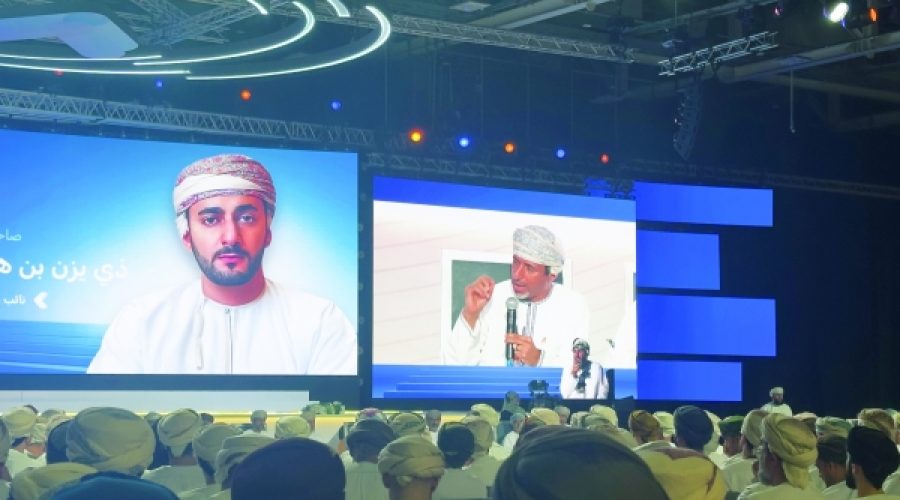
MUSCAT: Oman is taking steps to strengthen control over mineral exports and prioritize the supply of raw materials to local industries, Energy and Minerals Minister Salim bin Nasser Al Aufi announced at the fourth Together We Advance Forum in Muscat. This move signals a more assertive stance against what he described as market distortions and the export of low-grade shipments.
Al Aufi emphasized the need for more robust export governance to address significant “distortion” in how Oman’s mineral resources are marketed and shipped abroad. He explained that increasing the concentration of ore enhances its value, and stressed Oman’s goal to have more raw materials processed domestically rather than exported in their low-value forms.
A key element of this new strategy is channeling all mineral exports through the Oman Minerals Trading Company. This entity will oversee marketing and export operations to enhance the value derived from natural resources domestically and strengthen Oman’s negotiating position in global markets.
The updated export framework prioritizes fulfilling local demand for essential raw materials before approving any exports. It also tightens regulations on gypsum and chromite shipments, including a mandate that exported chromite ore must have a minimum concentration of 36%. Processed chromite may be exported at any concentration, subject to approval by the Ministry of Energy and Minerals.
Officials noted that the changes respond to longstanding structural issues in the minerals sector, such as the proliferation of intermediaries and the lack of specialized marketing mechanisms. These factors have hindered price realization despite increased production.
Official data shows that in 2024, Oman had 15 active gypsum mining licenses with a production total of about 14 million tonnes, and 29 active chromite licenses producing approximately 300,000 tonnes. Policymakers highlight these figures to illustrate the scale of the country’s mineral resources and the need for centralized, institutional management to maximize national benefits.
The new trading model aims to centralize export oversight, standardize contracts and quality specifications, and engage international buyers with greater professionalism. The government expects this approach to reduce price manipulation, enhance transportation and export efficiency, increase transparency, and create more opportunities for local processing, employment, and SME participation throughout the supply chain.
A one-year transition period will allow companies to complete existing contracts and adjust to the new export system. The ministry will also provide awareness sessions and training for stakeholders, alongside developing specialized commercial skills for negotiation and sales within the new framework.
Al Aufi also pointed out the lack of precise data on rare minerals, underscoring the need for clearer geological information before expanding market access or forming partnerships. He stressed that national exploration efforts should precede any broader market opening, ensuring that the resource base is accurately understood.
Special Analysis by Omanet | Navigate Oman’s Market
Oman’s tighter control over mineral exports and the centralization of marketing through Oman Minerals Trading Company signal a strategic shift towards maximizing local value addition and combating market distortions. This creates significant opportunities for local processing industries, SMEs, and investors focusing on value-chain integration, while also presenting risks for exporters reliant on raw material shipments at low grades. Smart investors should prioritize partnerships in upgraded mineral processing and leverage enhanced transparency and negotiation frameworks to gain competitive advantage in Oman’s evolving minerals market.