Strengthening Oman’s Economic Resilience: Key Policy Changes Investors and Entrepreneurs Must Know
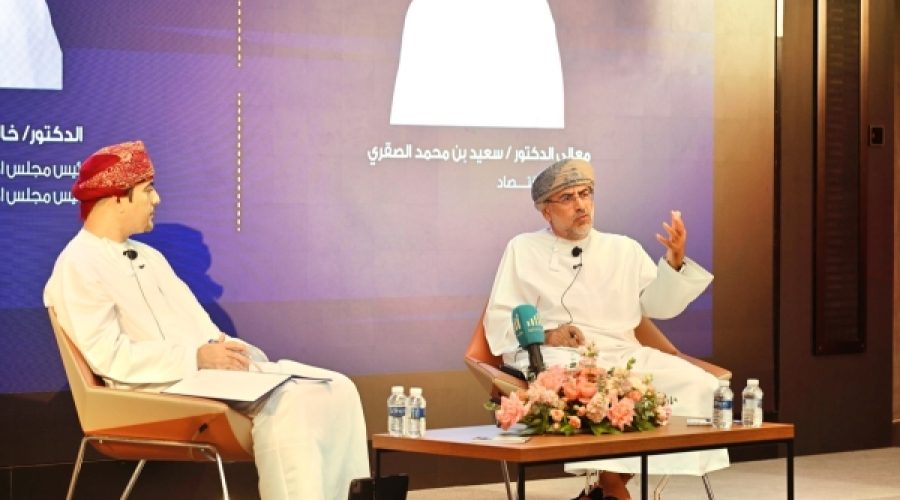
MUSCAT, DECEMBER 31 — The Omani Economic Association hosted the 29th Economic Council on Tuesday, December 30, 2025, in Madinat Al Irfan, Muscat. This year’s session focused on “Oman’s Economic Performance 2020–2025,” with Dr Said bin Mohammed al Saqri, Minister of Economy, serving as the keynote speaker.
Dr Al Saqri presented an in-depth visual analysis centered on three main pillars: global economic outlook and trends, Oman’s national economic performance, and the Eleventh Five-Year Development Plan (2026–2030).
On the global front, he highlighted a period of slower economic growth, with projections estimating growth rates between 3.1% and 3.8% by 2026. This slowdown is influenced by escalating geopolitical tensions, tighter trade regulations, and a global debt burden nearing 324% of GDP. Additionally, a shift in economic power is apparent as emerging markets gain influence while many advanced economies face stagnation. The impact of climate change also continues to disrupt supply chains and elevate production costs.
In contrast, Oman has demonstrated economic resilience, maintaining an inflation rate of just 0.76% from January to August 2025, a testament to effective national policy measures.
Dr Al Saqri reported that Oman’s public debt stood at RO 14.1 billion during the first half of 2025. The targeted average annual growth rate from 2021 to 2024 was approximately 5.0%. Non-oil sectors contributed 73% to Oman’s economy at constant prices in 2024, underscoring the country’s ongoing diversification efforts. The International Monetary Fund (IMF) projects Oman’s economic growth at 4% in 2026, up from 2.9% in 2025. The Ministry of Economy forecasts a growth rate of 2.6% for 2026, a slight increase from 2.2% in 2025, reflecting steady progress driven by national development initiatives.
Regarding the Eleventh Five-Year Development Plan, Dr Al Saqri emphasized its focus on delivering tangible developmental outcomes with inclusive community engagement in its formulation. The plan aims to harmonize government efforts and link long-term goals outlined in Oman Vision 2040 with medium-term strategies for 2026–2030. It features programmes with clear, measurable targets to achieve these objectives.
The plan incorporates economic modeling and results-based planning consistent with Oman’s transition to a performance and programme-based budgeting framework. This methodology enables continuous monitoring, outcome measurement, and impact evaluation through smart performance indicators.
Furthermore, the plan addresses evolving global and regional dynamics by integrating scenario planning to anticipate diverse future scenarios and enhance responsiveness. This includes identifying key drivers of change, tracking early trend indicators, and developing risk management strategies to safeguard readiness against potential challenges.
The event showcased Oman’s commitment to sustainable economic growth through strategic planning and adaptive governance amid a complex global environment.
Special Analysis by Omanet | Navigate Oman’s Market
Oman’s steady economic growth and low inflation amid global uncertainties highlight the resilience of its diversification strategy and fiscal policies. With the Eleventh Five-Year Development Plan focusing on performance-based budgeting and scenario planning, businesses should leverage emerging sectors beyond oil and adopt agile strategies to navigate potential global shocks. Smart investors must monitor Oman’s progress in non-oil activities and risk management frameworks to capitalize on growth opportunities while mitigating geopolitical and economic risks.