Oman’s Property Market Shifts to Quality Assets: What It Means for Investors and Business Owners
MUSCAT: Oman’s real estate sector is entering 2026 with greater stability, marked by a transition from speculative growth to prioritizing quality, income-generating assets, according to the latest analysis from Hamptons International. The market is experiencing “measured momentum,” bolstered by economic reforms and diversification efforts aligned with Oman Vision 2040.
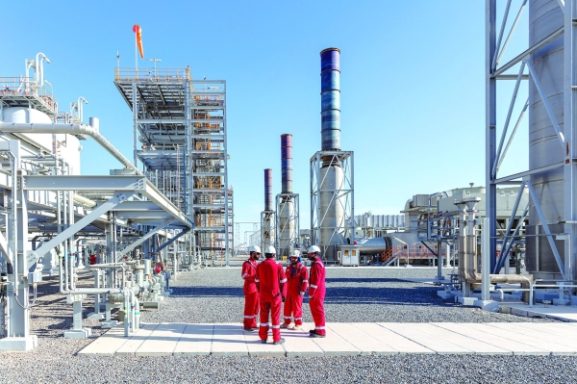
The industrial and logistics sector stands out as a key driver of growth, supported by Oman’s expanding role as a regional trade and logistics hub. Demand for warehousing, cold storage, and build-to-suit facilities remained robust throughout late 2025, especially in Suhar and Al Duqm. Modern industrial properties in Muscat are delivering strong returns, with average gross yields approaching 10 percent, making this segment highly attractive to investors heading into 2026.
Tourism-linked real estate is also gaining momentum, reflecting the country’s broader diversification strategy. Hospitality revenues increased to approximately RO 297.3 million in 2025, up from RO 243.3 million in the previous year, driven by rising visitor numbers and a focus on high-value tourism offerings. Premium projects, including mountain and eco-tourism destinations, are boosting average daily rates, while Muscat continues to benefit from steady business travel demand.
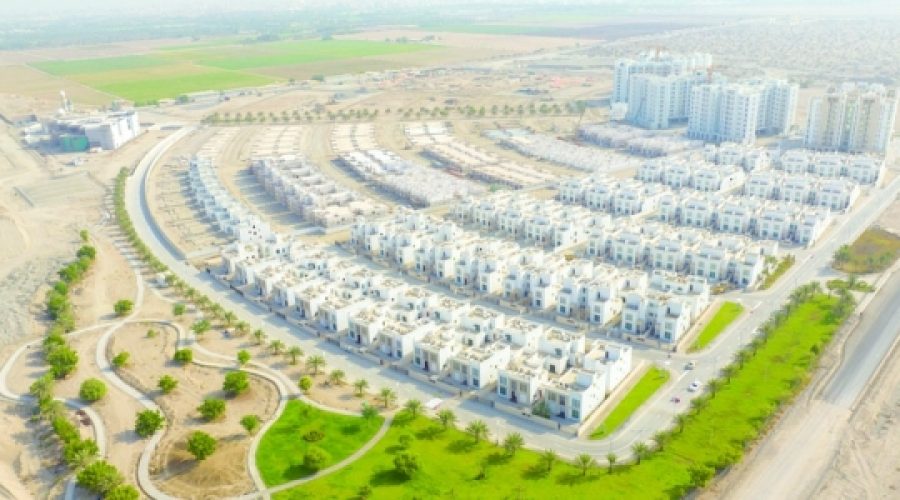
In the residential market, integrated lifestyle communities are outperforming standalone properties. Integrated Tourism Complexes (ITCs), such as Al Mouj Muscat, command rental premiums of around 10 to 15 percent due to superior amenities and professional management. Residential developments with comprehensive facilities are generating yields near 9 percent, indicating strong ongoing demand from end-users.
The office market remains tenant-friendly, although demand for Grade A office space is increasing. Prime office rents in areas like Al Mouj have risen to about RO 7.5 per square metre, while older secondary office buildings face pressure to upgrade to meet changing tenant expectations and Environmental, Social, and Governance (ESG) standards.
Looking ahead, the outlook for the first half of 2026 is cautiously optimistic. Investment activity is expected to remain selective, with a clear preference for assets that provide stable income streams and long-term value. While capital values are likely to stay largely steady, the market continues to favor high-quality developments aligned with urban regeneration and sustainability objectives.
With controlled inflation, improving liquidity, and ongoing infrastructure investments, Oman is solidifying its reputation as a stable and resilient real estate market in the region.
Special Analysis by Omanet | Navigate Oman’s Market
Oman’s real estate sector is shifting towards quality-driven, income-generating assets, presenting smart investors with opportunities in industrial logistics and premium tourism-linked projects backed by strong demand and diversification efforts. Businesses should capitalize on the rising appeal of integrated lifestyle communities and sustainable developments, while remaining cautious of older office properties that require upgrades to meet evolving tenant and ESG standards. This trend underscores Oman’s growing reputation as a stable, resilient market ripe for strategic, long-term investments aligned with Vision 2040.