Oman’s New Sea-to-Shelf Investment Initiative: Key Opportunities for Investors and Business Owners
MUSCAT, DEC 23 — Oman has launched a new investment initiative aimed at transforming its fisheries sector from a primarily resource-based activity into an integrated, value-added manufacturing industry centered in Duqm. This move highlights the government’s commitment to expanding industrial activities linked to natural resources while enhancing food security and export capabilities. The initiative aligns fully with Oman Vision 2040, positioning the Sultanate as a regional hub for advanced fisheries and related industries.
Named “From Sea to Manufacturing: Leading Opportunities Shaping the Future of Fisheries and Fishing Industries in the Sultanate of Oman,” the project is spearheaded by the Ministry of Agriculture, Fisheries and Water Resources (MAFWR), in partnership with the Public Authority for Special Economic Zones and Free Zones (OPAZ). It aims to link fishing operations directly with downstream processing, packaging, and manufacturing activities to maximize economic value from marine resources.
Central to this announcement is the Duqm Fisheries Industrial Zone, designated as the primary hub for new fisheries-related investments. The government is offering a comprehensive set of opportunities to both local and international investors, combining processing facilities with guaranteed raw material access through regulated fishing licenses. This integrated approach is designed to reduce supply-chain risks, ensure steady factory throughput, and encourage sustainable capital investment.
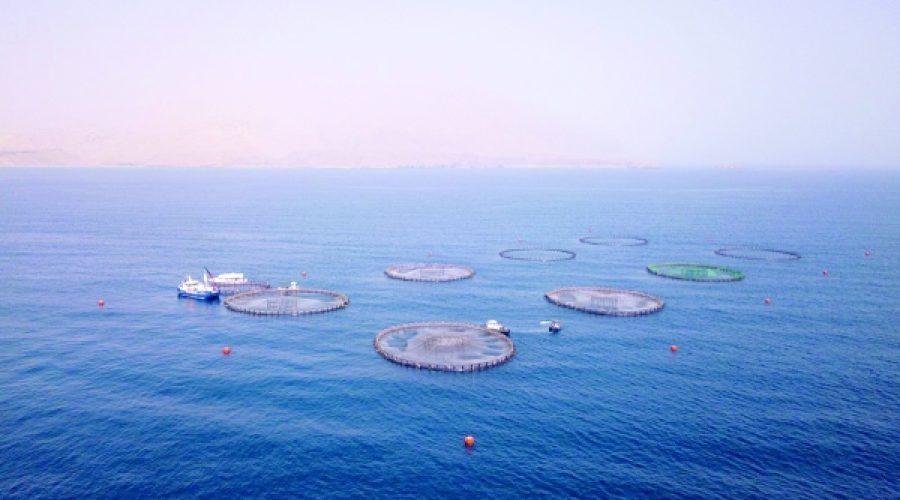
Investment opportunities span a variety of species and processing activities, including canning factories for sea bream and grouper under coastal and commercial fishing licenses, sardine and tuna canning linked to coastal fishing rights, as well as demersal fish canning and filleting factories tied to commercial and coastal licenses respectively. Additionally, facilities for processing and packaging tuna and squid are included, supported by coastal enclosure-based fishing licenses.
A major draw for investors is the substantial resource access provided. Fishing licenses tied to these projects offer annual quotas ranging from 6,000 to 30,000 tonnes, ensuring the volume stability necessary for industrial-scale processing. By directly linking quotas with manufacturing units, authorities aim to curb raw fish exports, thereby promoting local processing, job creation, and the export of higher-value finished products.
The initiative includes a strong incentive package: investors benefit from income tax exemptions for an initial 10 years, renewable twice; customs duties exemptions on imports and re-exports; and tax relief on factory equipment, significantly lowering upfront capital costs.
Additional operational incentives include access to a special electricity tariff designated for food security activities and technical and operational support from relevant authorities. Investors are granted land use rights within a transparent regulatory framework for up to 50 years, renewable, fostering confidence and stability.
Strategically, this initiative reinforces Duqm’s expanding role as a multi-sector industrial hub. Already recognized for heavy industry, logistics, and energy, Duqm is being further developed as a cornerstone of Oman’s blue economy. The fisheries initiative complements existing port infrastructure and the special economic zone, leveraging proximity to export routes and regional markets across Asia, Africa, and the Middle East.
Applications from interested investors open on December 22, 2025, and close on February 20, 2026.
Special Analysis by Omanet | Navigate Oman’s Market
Oman’s strategic shift to transform its fisheries sector into a value-added manufacturing hub at Duqm presents significant opportunities for businesses to capitalize on secured raw material access, tax incentives, and expanded export potential. This initiative not only mitigates supply chain risks but also aligns with Oman Vision 2040 by enhancing food security and promoting industrial diversification. Smart investors should prioritize integrated ventures that leverage Duqm’s industrial ecosystem and long-term regulatory stability for sustained growth and competitive advantage in regional and global markets.