Oman Signs 11 Strategic Deals to Boost Plastics Industry: What It Means for Investors and Entrepreneurs
The Sultanate of Oman, represented by OQ Group, has signed 11 new investment agreements with local, regional, and international companies under its plastics industry program, with total investments exceeding RO 27 million. These latest agreements bring the cumulative investment value of the program to over RO 85 million, reinforcing Oman’s commitment to expanding downstream industries and maximizing in-country value.
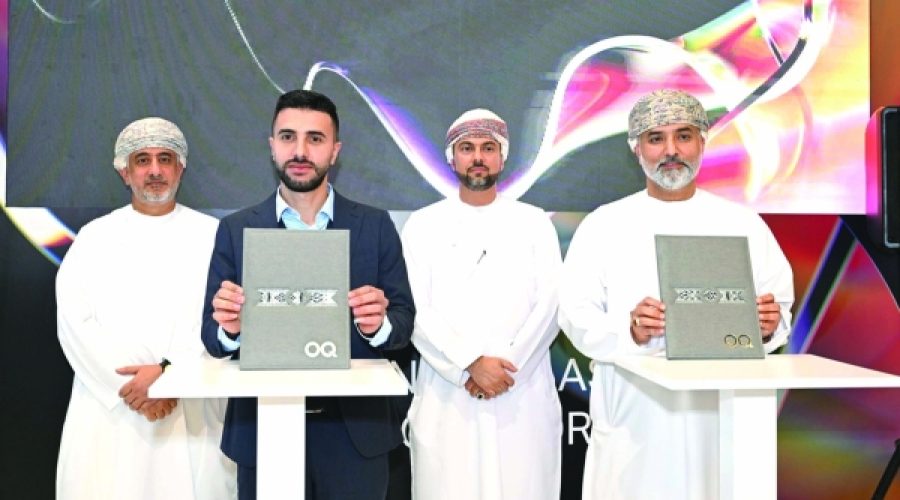
The agreements were signed during OQ Group’s participation in the 19th Annual Forum of the Gulf Petrochemicals and Chemicals Association (GPCA), held in Manama, Kingdom of Bahrain. The projects focus on polymer manufacturing and plastic conversion industries, which are essential for enhancing industrial integration and supporting economic diversification.
This initiative is part of the “Ladayn” program, a collaborative effort by OQ Group, the Public Establishment for Industrial Estates (Madayn), and the Public Authority for Special Economic Zones and Free Zones, with backing from the Ministry of Commerce, Industry and Investment Promotion. The program aims to shift locally produced polymers towards higher value-added products, expand Oman’s downstream manufacturing base, and develop resilient national value chains.
A key advantage of the program lies in the availability of locally produced polymers, especially polyethylene and polypropylene, supplied by the OQ Polymer Complex in Suhar. This complex converts Omani natural gas into high-demand industrial products, ensuring downstream manufacturers benefit from stable long-term supply, transparent pricing, and efficient logistics, thereby strengthening the sector’s competitiveness.
Among the new agreements, Madayn signed five contracts to establish projects in its industrial cities, while the Salalah Free Zone secured three agreements for factory establishments within the zone. These initiatives are anticipated to support the growth of small and medium enterprises (SMEs), create specialized job opportunities, and bolster industrial clusters focused on plastics and polymer-based manufacturing.
Ashraf bin Hamad al Maamari, CEO of OQ Group, emphasized that these agreements align with the Group’s long-term investment strategy aimed at translating national plans into tangible industrial projects with direct economic impact. He highlighted that through the “Ladayn” program, polymers are being transformed from basic industrial outputs into a central driver of an integrated production ecosystem that attracts quality investments and supports export-oriented industries.
Engineer Dawood bin Salem al Haddabi, CEO of Madayn, noted that the agreements highlight the early success of the plastics industry program. He pointed out that the “Ladayn” plastics complex in Suhar Industrial City has experienced robust growth fueled by increasing local and regional demand. Since the program’s inception, total investments have reached approximately RO 33.7 million, with more than 181,000 square meters leased and 19 projects either operational, under construction, or recently awarded.
— ONA
Special Analysis by Omanet | Navigate Oman’s Market
The Sultanate’s strategic push to expand its plastics downstream industry through the “Ladayn” programme creates significant opportunities for investors and entrepreneurs aiming to tap into a stable supply of locally produced polymers and benefit from competitive logistics and pricing. Businesses in Oman should consider integrating into this evolving industrial ecosystem, especially SMEs poised to gain from new manufacturing hubs and export-oriented growth. However, firms must also prepare for heightened competition and focus on innovation to maximize value in this transforming sector.