Oman’s Digital Customs and Port Upgrades: What Investors and Business Owners Need to Know About Boosted Trade Efficiency
MUSCAT: The Sultanate of Oman is actively enhancing the efficiency of its international trade and boosting its logistics competitiveness by refining export and import processes, streamlining customs procedures, expanding digital trade platforms, and developing its strategic ports, according to Oman News Agency (ONA).
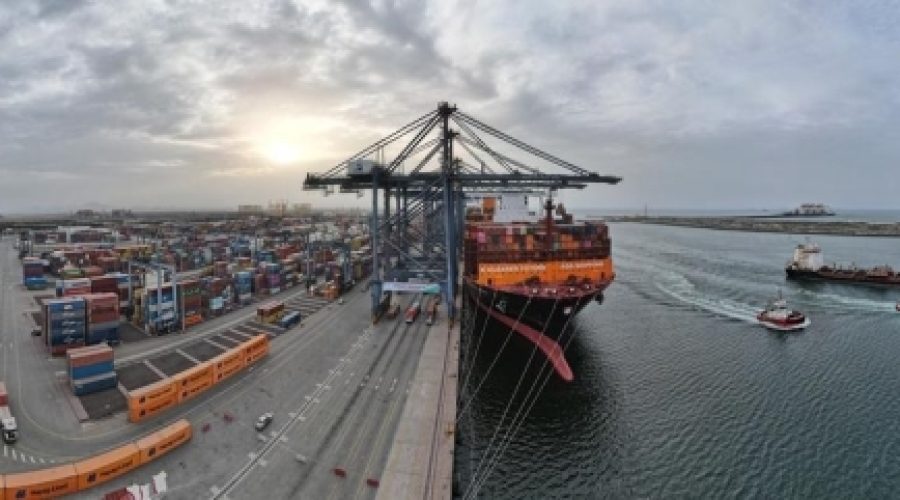
Oman’s three principal seaports—SOHAR Port and Freezone, Port of Duqm, and Port of Salalah—serve as vital hubs for external trade and logistics, connecting the country to both regional and global markets. ONA reported that Oman has invested significantly in upgrading these ports as part of its economic diversification initiatives, focusing on modernizing infrastructure and increasing operational and digital efficiency to accommodate rising trade volumes.
The Royal Oman Police, through the Directorate General of Customs, has implemented comprehensive reforms across administrative, procedural, and technical dimensions to enhance customs services for the business community. These reforms aim to facilitate international trade, attract foreign investment, strengthen the logistics sector, and secure supply chains. Central to these efforts is the shift toward a fully electronic customs system.
Customs introduced the “Bayan” system, which integrates 74 government and private entities, offering 496 e-services without requiring physical visits to Customs headquarters or border posts. Key services include pre-clearance, electronic payments, advanced and deferred customs duty payments, clearance against bank guarantees, duty refunds, license renewals, temporary import requests, and consignment splitting.
These initiatives have positioned Oman among the top performers in cross-border trade, with the World Bank’s Doing Business 2020 report ranking Oman first in the Gulf region for “Trading Across Borders.” The report also highlighted infrastructure upgrades at SOHAR, the adoption of electronic risk-based inspections, and improvements in customs auditing.
Additional advancements include the launch of a secure customs corridor linking ports with free zones and investment customs warehouses to facilitate cargo movement. Furthermore, an electronic airway bill system now enables airlines and handlers to submit cargo documents digitally, accelerating procedures and simplifying clearance processes.
Eng Abdullah bin Ali al Busaidy emphasized the government’s commitment to building an integrated, flexible logistics system aimed at reducing time and costs in goods movement through enhanced gateways, stronger transport networks, and digital solutions. Omar bin Mahmoud al Maharzi noted that Omani ports maintain connections with 86 commercial ports across 40 countries via approximately 200 direct weekly voyages, supporting the objectives of the National Logistics Strategy 2040. — ONA
Special Analysis by Omanet | Navigate Oman’s Market
Oman’s strategic upgrades to its ports and comprehensive digitization of customs processes significantly enhance trade efficiency and reduce operational costs, positioning the Sultanate as a competitive logistics hub in the Gulf. For businesses, this means faster cross-border transactions and easier market access, while investors should capitalize on Oman’s expanding connectivity and streamlined trade ecosystem to unlock growth in logistics, manufacturing, and export-focused ventures. However, staying ahead requires embracing digital integration and aligning with evolving trade regulations to maximize these reforms.