Oman’s Trade Surplus Hits RO 6 Billion: What This Means for Investors and Business Growth Opportunities
Oman recorded a trade surplus of RO 6.097 billion by the end of December 2025, according to preliminary data from the National Centre for Statistics and Information (NCSI). This marks a decrease from the RO 8.341 billion surplus reported during the same period in 2024.
The reduction in the trade surplus results from a decline in merchandise exports combined with a slight increase in imports. Total merchandise exports dropped 7.1 percent to RO 23.264 billion in 2025, down from RO 25.054 billion the previous year. Conversely, merchandise imports rose by 2.7 percent to RO 17.167 billion, compared with RO 16.713 billion in 2024.
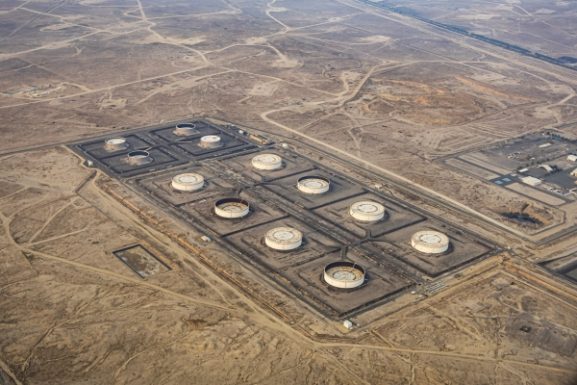
A significant factor behind the export decline was weaker oil and gas revenues. The value of Oman’s oil and gas exports fell by 15.2 percent to RO 14.511 billion from RO 17.114 billion in 2024. This highlights the ongoing vulnerability of Oman’s external trade balance to global energy price fluctuations and changes in hydrocarbon demand.
Despite the downturn in energy exports, non-oil merchandise exports demonstrated resilience, increasing by 7.5 percent to RO 6.698 billion, up from RO 6.232 billion the previous year. This growth reflects Oman’s continued efforts to diversify its export base.
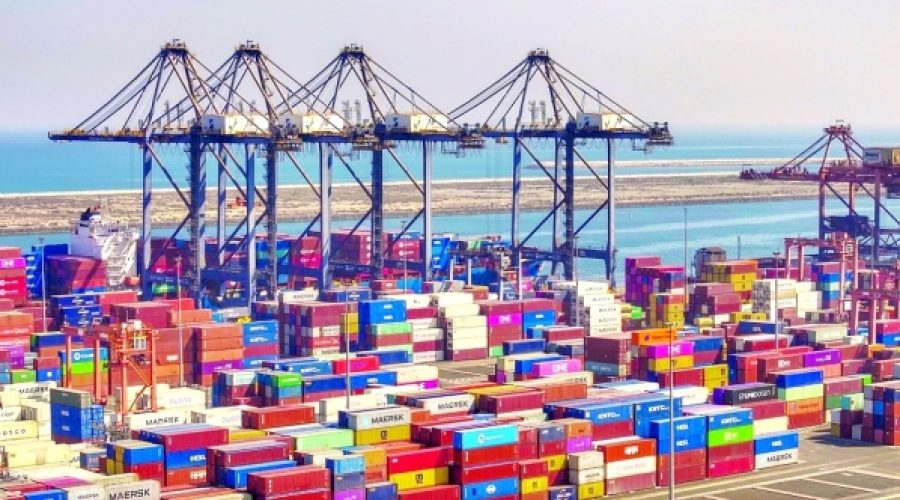
Re-exports also showed robust expansion, rising 20.3 percent to RO 2.056 billion from RO 1.708 billion in 2024, indicating heightened activity across Oman’s logistics and trading networks.
The United Arab Emirates (UAE) remained the top market for Oman’s non-oil exports, with shipments valued at RO 1.311 billion—a 25.3 percent year-on-year increase. The UAE also led as the primary destination for re-exports, totaling RO 724 million.
Saudi Arabia was the second-largest non-oil export market at RO 1.067 billion, followed by India at RO 699 million. For re-exports, Iran ranked second with RO 365 million, while the United Kingdom was third at RO 207 million.
On the import front, China was the second-largest source of goods to Oman, with imports valued at RO 1.935 billion, followed by India at RO 1.448 billion.
These figures underline the shifting dynamics of Oman’s trade, as growing non-oil exports and re-export activities play an increasingly important role in the country’s external trade performance amid fluctuations in hydrocarbon revenues. — ONA
Special Analysis by Omanet | Navigate Oman’s Market
Oman’s narrowing trade surplus, driven by declining oil and gas exports amid rising imports, signals increasing vulnerability to global energy market fluctuations, urging businesses to diversify revenue streams beyond hydrocarbons. However, growth in non-oil exports and re-exports, particularly to key regional partners like the UAE and Saudi Arabia, presents strategic opportunities for investment in logistics, trade facilitation, and value-added manufacturing. Smart investors should prioritize sectors aligned with Oman’s diversification goals to capitalize on emerging trade dynamics while mitigating risks from energy market volatility.