Omani Sarooj Mortar Set for Industrial Revival: What This Means for Investors and Business Growth in Oman
MUSCAT, DEC 3 — Omani Sarooj mortar has re-emerged as a market-ready, low-carbon construction material following targeted research and industrialisation led by the Middle East Calcined Clay Company. Presented by Najat al Fudhaili at LC3 Day in Muscat on December 2, the initiative aims to transform the century-old binders used in Oman’s heritage structures into standardised, engineered products suitable for both conservation and modern construction.
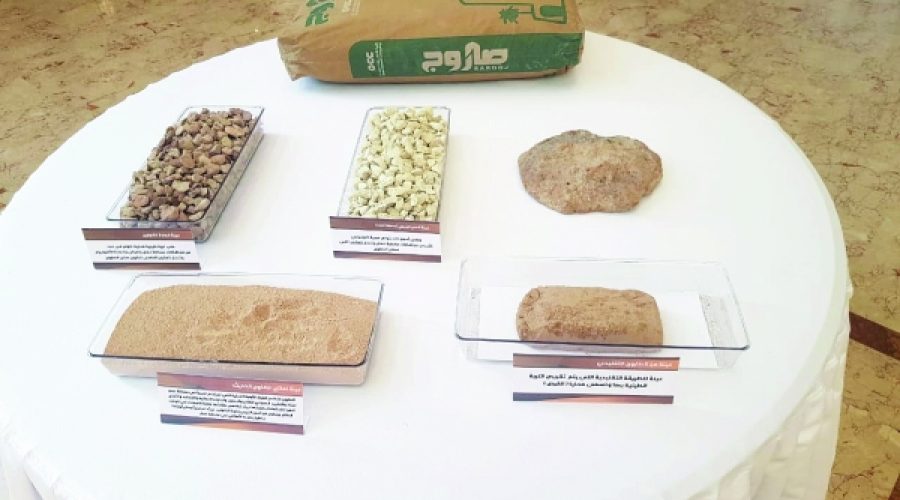
Laboratory analysis of historical Omani Sarooj samples revealed a composition with high calcium oxide and low reactive alumina-silicate, explaining the variable mechanical performance observed in traditional mixes.
To address this, researchers implemented a two-phase programme involving detailed characterisation of historical and local raw materials, followed by formulation, pilot production, and on-site validation. Samples were gathered from various heritage sites, while local clays were tested to identify a kaolin source meeting necessary reactivity criteria. Optimised calcination at approximately 800°C converted kaolin into reactive metakaolin, and engineered particle fineness was achieved to enhance surface area and reaction rates.
The resulting engineered Sarooj mortar combines calcined kaolin with limestone in a calibrated ratio, achieving standard-grade performance without compromising the visual and aesthetic integrity of historic masonry. Pilot batches of 200 kilograms were applied to fort walls during field trials, demonstrating strong adhesion, minimal cracking, and consistent quality. Mechanical testing showed a 28-day compressive strength averaging 13.7 N/mm²—a significant improvement over comparable lime-pozzolan mixes and exceeding several international standards.
For industry stakeholders, this development promises two key commercial benefits: introducing a domestic product for heritage conservation that reduces reliance on imports, and offering a low-carbon binder option for select modern construction uses. The approach utilises locally sourced feedstocks and controlled calcination, supporting scalable industrial production and positioning Oman to establish a value chain focused on calcined kaolin production, processing, and specialised masonry supplies.
“This effort honours tradition while equipping engineers and conservators with predictable, certified materials,” said Najat al Fudhaili, Business Development Specialist at Middle East Calcined Clay Company. “Our laboratory control and pilot validation confirm that Sarooj can meet modern standards without sacrificing authenticity.” A representative from the Ministry of Tourism and Heritage added, “Standardising Sarooj opens new opportunities for restoration projects and sustainable cultural tourism investments.”
Market uptake will require establishing an Omani salvage specification, implementing quality control across producers, and integrating the product into procurement frameworks used by conservation agencies and contractors. While early pilot trials and analytical results are promising, further scale-up, third-party certification, and cost benchmarking are essential before broad commercial adoption can occur. Success in these areas could enable Oman to export not only a revitalised traditional material but also an industrial model for heritage-sensitive, low-carbon binders.
Stakeholders anticipate that successful industrialisation will generate skilled employment in kiln operation, quality laboratories, and specialised masonry manufacturing, while attracting private investment into pilot plants, technology licensing, and training initiatives. Collaborations through the Industrial Innovation Academy and partner universities are expected to multiply local economic and heritage conservation benefits.
Special Analysis by Omanet | Navigate Oman’s Market
The re-emergence of Omani Sarooj as a certified, low-carbon construction material positions Oman at the forefront of sustainable heritage conservation and modern niche construction markets. Businesses should eye opportunities in developing a domestic value chain for calcined kaolin production, reducing import dependency, and tapping into growing demand for eco-friendly materials. Smart investors and entrepreneurs must consider scaling industrialisation, ensuring quality certification, and aligning with government frameworks to unlock potential in restoration projects and cultural tourism infrastructure.