Opec+ Considers Oil Output Boost Amid US-Iran Tensions: Key Implications for Global Energy Investors and Businesses
LONDON – Opec+ is set to consider a larger-than-anticipated oil production increase at a meeting on Sunday, according to two Opec+ sources. This follows the outbreak of conflict between the US and Israel against Opec+ member Iran, along with Tehran’s retaliatory actions that have disrupted shipments in the Middle East.
Historically, Opec+ has responded to supply disruptions by boosting output. However, analysts note that the group currently retains very limited spare capacity to significantly increase supply, with Saudi Arabia and the United Arab Emirates being the primary exceptions. Sources indicate that Riyadh has already been raising production and exports in recent weeks in anticipation of potential US strikes on Iran.
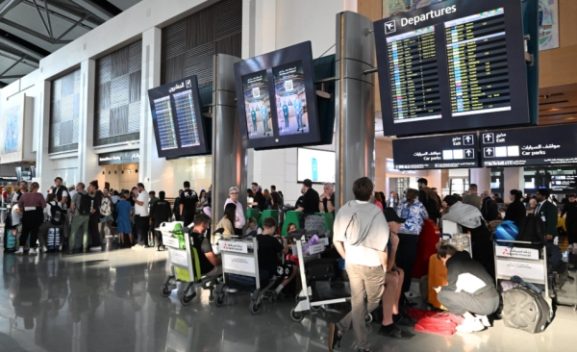
Since Saturday, oil, gas, and other shipments through the Strait of Hormuz—a vital passage accounting for over 20% of global oil transit—have been halted after Iran warned shipowners that the area is closed to navigation.
Sources revealed that Opec+ is considering a production hike of 411,000 barrels per day or more, considerably exceeding the initially expected increase of 137,000 barrels per day.
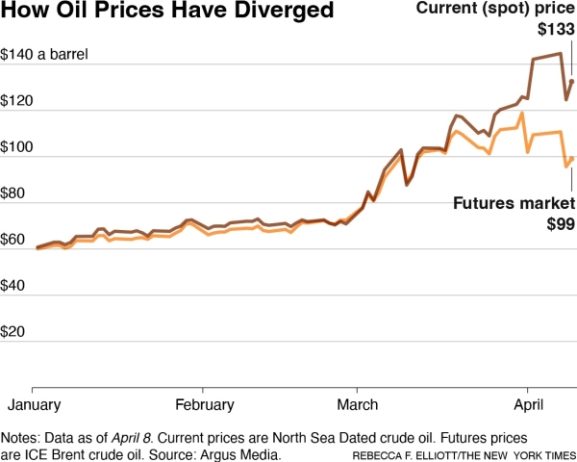
Oil prices surged to $73 per barrel on Friday, marking their highest level since July, driven by fears of an escalating Middle East conflict and supply disruptions through Hormuz. Middle Eastern leaders have cautioned Washington that a war with Iran could push oil prices beyond $100 per barrel, a view supported by veteran Opec analyst Helima Croft from RBC and analysts at Barclays.
Croft noted that any substantial output increase from Opec+ would have limited market impact due to the lack of additional production capacity beyond Saudi Arabia.
The upcoming meeting will involve only eight Opec+ members: Saudi Arabia, Russia, the UAE, Kazakhstan, Kuwait, Iraq, Algeria, and Oman. While Opec+ includes other allies like Russia, these eight members have implemented most production adjustments in recent years.
From April through December 2025, these eight members raised production quotas by about 2.9 million barrels per day, approximately 3% of global demand. The group paused further increases from January to March 2026 due to seasonal demand weakness. — Reuters
Special Analysis by Omanet | Navigate Oman’s Market
The potential larger-than-expected Opec+ oil output increase amidst Middle East tensions signals heightened volatility and supply uncertainty in global energy markets, directly impacting Oman’s strategic position as a key oil supplier. Smart investors and entrepreneurs should anticipate potential price spikes above $100 per barrel, which could boost revenues but also demand agile risk management in supply chain and investment decisions. Oman’s role in Opec+ negotiations underscores an opportunity to leverage geopolitical developments for strengthening regional influence and securing long-term economic gains.