OPEC+ Surpasses Production Hike Expectations: What This Means for Oil Investors and Businesses in Oman
London – In a move that exceeded expectations, key members of the OPEC+ oil cartel announced on Sunday a significant increase in production quotas amid escalating tensions following US and Israeli strikes on Iran. Tehran’s retaliatory missile attacks have intensified unrest across the Middle East.
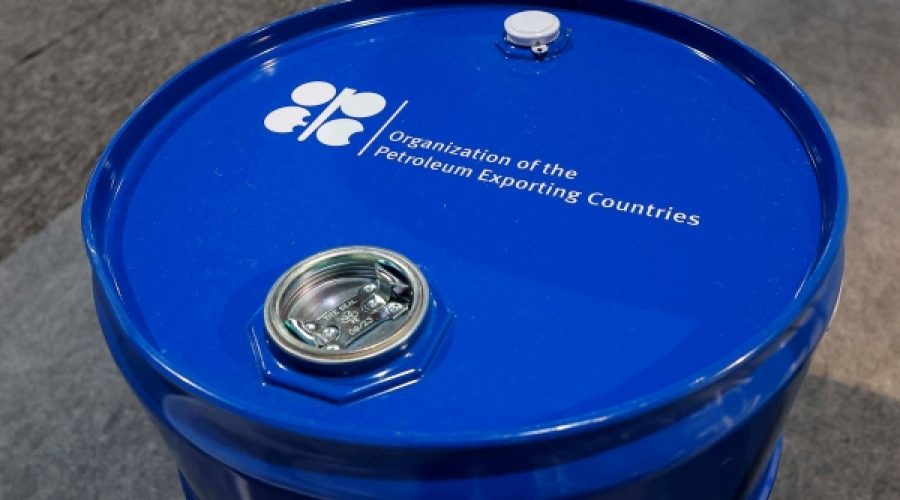
The core group within OPEC+, known as the Voluntary Eight (V8), which includes major oil producers Saudi Arabia and Russia along with Gulf states heavily impacted by Iranian strikes, agreed to raise production by 206,000 barrels per day (bpd). This adjustment is set to take effect in April.
The official statement from the V8 did not reference the recent conflict with Iran. Instead, it attributed the increase to “a steady global economic outlook and current healthy market fundamentals.” Prior forecasts had predicted a more moderate production hike of 137,000 bpd.
However, analysts remain concerned the increase may not be sufficient to offset the market disruptions triggered by the Iran conflict. Jorge Leon of Rystad Energy warned that if Iran targets the strategically vital Strait of Hormuz—through which nearly 25% of global seaborne oil supplies transit—the production boost would have limited impact on stabilizing prices.
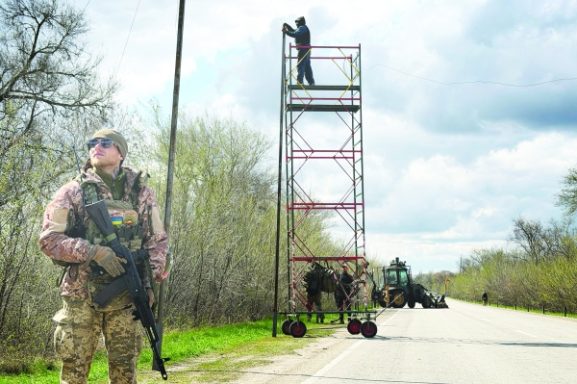
Iran’s Revolutionary Guards have declared the strait closed, and state media reported that an oil tanker attempting to pass through was attacked and set ablaze, highlighting the escalating risks to shipping.
Leon emphasized that “logistics and transit risk matter more than production targets right now,” suggesting the OPEC+ production increase is unlikely to calm market fears, which will instead respond to developments in Gulf security and shipping operations.
The V8 group includes Saudi Arabia, Russia, Kuwait, Oman, Iraq, the United Arab Emirates, Algeria, and Kazakhstan—all directly affected by Iranian missile attacks. Stephen Innes, managing partner at SPI Asset Management, described the situation as a “nightmare scenario,” with insurers withdrawing contracts and commercial shipping increasingly avoiding the Strait of Hormuz due to missile threats and electronic disruptions.
A prolonged closure of the strait could send oil prices surging from approximately $72 per barrel pre-conflict to between $120 and $150 per barrel, industry experts estimate. Although Saudi Arabia and the UAE have pipeline alternatives to bypass the strait, these routes could only partially compensate for disrupted sea shipments, potentially leaving a market deficit of eight to ten million barrels per day.
While higher oil prices might seem advantageous for OPEC+ producers, analysts caution that prices rising too high could incentivize increased output from non-OPEC producers such as the United States, Canada, and Brazil, intensifying competition. Homayoun Falakshahi of Kpler suggested the cartel ideally prefers prices around $70 per barrel, with a tolerance up to $80-90, to limit rival investments.
Russian production has reportedly declined since November, indicating the country may already be operating at peak capacity. According to Jorge Leon, only Saudi Arabia, the United Arab Emirates, and to a lesser extent Kuwait and Iraq, have the capacity to significantly increase output within OPEC+.
The unfolding situation highlights complex geopolitical and market dynamics that are likely to continue shaping the global oil landscape in the near term.
Special Analysis by Omanet | Navigate Oman’s Market
The recent OPEC+ decision to increase production by 206,000 barrels per day amid heightened Middle East tensions signals continued market volatility for Oman. While the move aims to stabilize supply, the risk of disruptions at the Strait of Hormuz poses a significant threat, potentially driving oil prices sharply higher and impacting shipping logistics. Smart investors and businesses in Oman should monitor geopolitical developments closely and consider diversifying energy-related investments to mitigate risks linked to supply chain disruptions and price spikes.