OPEC+ Decision to Maintain Steady Oil Output: What It Means for Investment and Business Stability in Oman
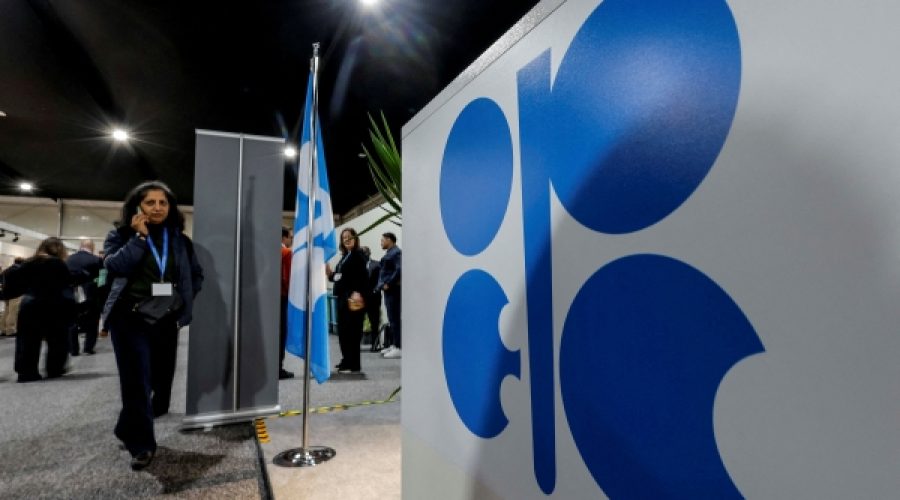
OPEC+ is expected to maintain steady oil production levels at its meeting on Sunday, according to delegates, despite ongoing political tensions between key members Saudi Arabia and the UAE, as well as the recent capture of Venezuela’s president by the United States.
The Sunday meeting involves eight OPEC+ members—Saudi Arabia, Russia, the UAE, Kazakhstan, Kuwait, Iraq, Algeria, and Oman—who together produce about half of the world’s oil supply. This follows a sharp decline in oil prices of more than 18% in 2025, marking the steepest annual drop since 2020 amid rising concerns over oversupply.
From April to December 2025, these eight countries increased their oil output targets by approximately 2.9 million barrels per day, representing nearly 3% of global oil demand. In November, they agreed to pause further output increases for January, February, and March. Sources within OPEC+ indicate that Sunday’s meeting is unlikely to alter this approach.
Saudi Arabia and the UAE have recently experienced heightened tensions linked to a long-standing conflict in Yemen. A UAE-supported faction recently seized territory from the Saudi-backed government, creating the most significant rupture between the former allies in decades. Historically, OPEC has managed to navigate internal disputes, such as during the Iran-Iraq War, by focusing on market stability rather than politics. However, the group now faces multiple challenges, including pressure on Russian oil exports due to U.S. sanctions related to the Ukraine conflict, and unrest and U.S. intervention threats concerning Iran.
In a significant development on Saturday, the U.S. captured Venezuelan President Nicolás Maduro. U.S. President Donald Trump announced that Washington would oversee Venezuela until a transition to a new government is possible, though details on how this would occur remain unclear. Venezuela holds the world’s largest oil reserves, surpassing even those of Saudi Arabia, but its production has drastically declined due to years of mismanagement and sanctions. Analysts believe it will be years before Venezuela sees a substantial recovery in crude output, even if U.S. oil companies invest the billions promised by Trump.
Special Analysis by Omanet | Navigate Oman’s Market
The likely decision by OPEC+ to maintain steady oil output amidst geopolitical tensions and market oversupply highlights a cautious approach to stability over aggressive expansion, signaling that businesses in Oman should prepare for continued price volatility and moderate demand growth. This scenario offers opportunities for diversifying investments beyond oil, while smart investors must stay alert to geopolitical shifts, especially involving Saudi-UAE relations and U.S. actions in Venezuela, which could reshape supply dynamics in the medium term.