New Building Code in Oman: How Updated Construction Standards Will Impact Your Business and Investments
Oman’s construction sector is set for a major transformation with the upcoming introduction of the Oman Building Code (OBC), a comprehensive national framework aimed at unifying technical standards, significantly improving public safety, and embedding sustainability throughout the country’s built environment.
The OBC will replace the current fragmented municipal regulations, establishing a single, modern set of requirements applicable to developers, consultants, and contractors across all governorates.
Eng. Sara Al Hinai, Urban Project Engineer at the Ministry of Housing and Urban Planning, presented “An Insight into The Oman Building Code” at the Green Build Oman Summit, highlighting the code as a pivotal step in advancing Oman’s urban development. The code is designed to foster safer, higher-quality, and future-ready cities, aligning with the ambitions of Oman Vision 2040.
The code serves as a strategic pillar in realizing Vision 2040 goals by providing a robust regulatory foundation for a resilient and economically vibrant construction sector. It is based on the globally recognized 2021 International Building Code (I-Code), extensively adapted to Oman’s specific needs.
This localization incorporates national data on hazards such as seismic activity, wind, and flooding, combined with comprehensive input from government ministries, academia, and private industry. This ensures the standards are tailored to Oman’s climate and cultural context.
Eng. Al Hinai emphasized the code’s dual focus on safety and strategic growth, saying, “The Code is more than technical specifications; it is the first national framework to unify construction requirements across all governorates, strengthening safety and quality in line with Oman Vision 2040.” The code package includes six specialized manuals covering structural design, fire safety (OBC), mechanical systems (OMC), water standards (OPC), among others.
A vital commercial element is the Energy Efficiency & Sustainability Code (OEESC), which is anticipated to revolutionize building operational costs. “Our emphasis on the Energy Efficiency and Sustainability Code is crucial. It mandates insulation, smart lighting, and low-flow water fixtures, driving significant reductions in operating expenses for homeowners and businesses,” Eng. Al Hinai explained. This entails a major shift in construction practices, requiring enhanced thermal envelopes, high-performance windows, and pre-wiring for electric vehicle charging in new homes with garages.
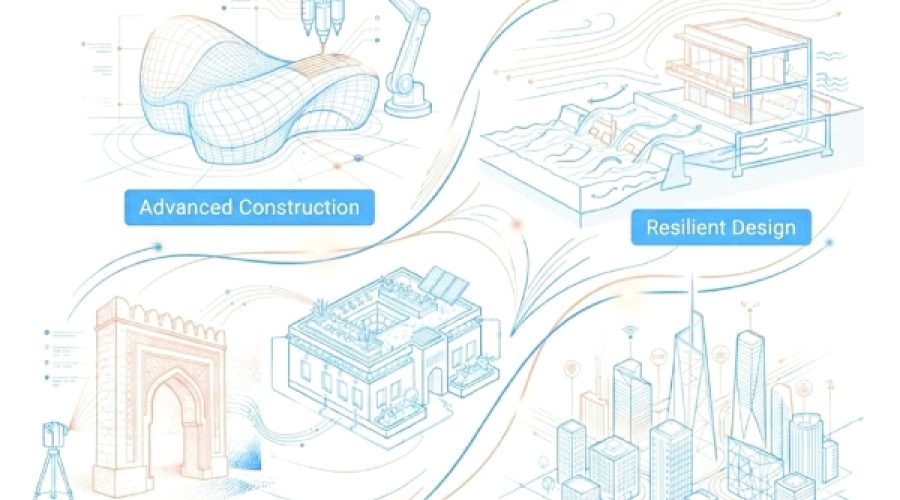
For the private sector, the OBC offers unprecedented clarity and predictability by streamlining permitting and inspection processes. This will create a more reliable environment for both domestic and foreign investment. Additionally, the code supports technological advancements, including 3D printing and Building Information Modelling (BIM).
The code also addresses the preservation of national heritage through the Existing & Historical Buildings Code (OEHBC). Eng. Al Hinai stated, “The code encourages advanced construction technologies while ensuring Oman’s unique architectural identity is preserved through flexible preservation pathways without compromising safety standards.”
The Ministry plans a phased implementation starting with a voluntary trial period for all building types across Oman from 2026 to 2027, followed by gradual adoption post-2027. Full mandatory compliance is expected by 2030 for all applicable new construction projects nationwide.
Ultimately, the Oman Building Code is more than a regulatory framework—it is an economic instrument shaping a safer, more sustainable, and competitive future for Oman.
Special Analysis by Omanet | Navigate Oman’s Market
The implementation of the Oman Building Code (OBC) marks a transformational leap for Oman’s construction sector, harmonizing safety, sustainability, and technical standards nationwide. For businesses, this creates a predictable investment climate and opportunities in green building technologies, energy-efficient materials, and advanced construction methods like 3D printing and BIM. Smart investors and entrepreneurs should strategically prioritize compliance readiness and innovation in sustainable infrastructure to capitalize on OBC-driven growth and align with Oman Vision 2040’s long-term economic goals.