Total Refinery Output Soars 12.5%: Key Impacts for Investors and Business Growth in Oman
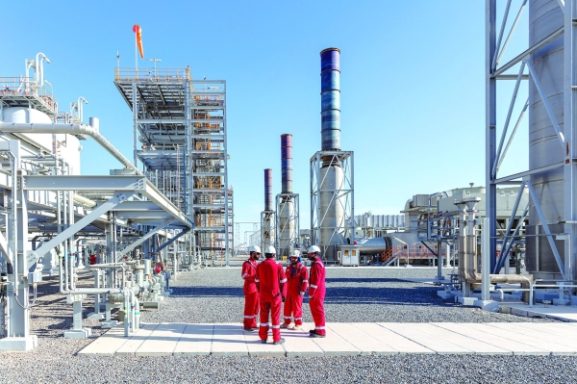
MUSCAT: The Sultanate of Oman’s refinery production saw a significant increase, rising by 12.5 percent to reach 84,739,200 barrels by the end of December 2025, compared to the same period in 2024, according to preliminary data from the National Centre for Statistics and Information (NCSI).
Despite this overall growth, motor fuel production in December 2025 experienced a slight decline of 0.1 percent, totaling 2,846,000 barrels compared to 2,848,600 barrels in November 2025.
Breaking down the specifics:
-
Regular motor fuel (M-91) production surged by 19.3 percent, reaching 16,775,600 barrels by December 2025, up from 14,058,800 barrels in 2024. Sales increased modestly by 1.1 percent to 14,292,900 barrels, while exports decreased by 10.4 percent to 2,299,100 barrels.
-
Premium motor fuel (M-95) production grew by 20.1 percent, reaching 14,891,500 barrels compared to 12,399,000 barrels the previous year. Sales rose by 2.4 percent to 13,589,800 barrels, with exports showing a remarkable 95 percent increase, climbing to 2,035,000 barrels from 1,043,400 barrels.
-
Gas oil (diesel) production rose by 12.8 percent to 34,468,500 barrels, compared to 30,553,400 barrels in 2024. Sales increased by 7.2 percent to 15,174,600 barrels, while exports grew by 10.8 percent, reaching 18,286,400 barrels.
In contrast, aviation fuel production declined by 6.6 percent to 10,873,600 barrels, down from 11,643,700 barrels the previous year. Correspondingly, sales dropped 1.7 percent to 3,897,700 barrels, and exports decreased by 10.8 percent, totaling 6,768,600 barrels.
— ONA
Special Analysis by Omanet | Navigate Oman’s Market
The 12.5% surge in Oman’s refinery production, particularly the strong growth in premium motor fuel and diesel exports, signals robust expansion opportunities for energy-related businesses in the Sultanate. However, the decline in aviation fuel production and exports highlights potential risks in sectors dependent on air transport. Smart investors should focus on leveraging rising fuel demand and export capacity while monitoring shifts in aviation and transportation trends to optimize portfolio resilience.