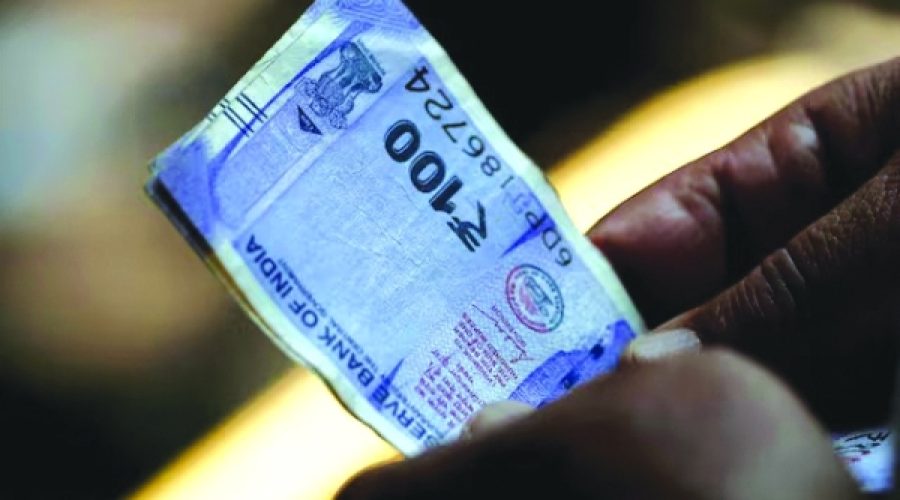
Rupee Starts 2026 Weaker Amid Corporate Dollar Demand: What It Means for Your Business and Investments
MUMBAI: The Indian rupee began 2026 with a slight decline, pressured by corporate demand for the US dollar, while thin trading volumes on the first day of the New Year limited significant price movements, traders reported.
The rupee opened at 89.9525 against the US dollar on Thursday, down from Wednesday’s close of 89.87. After trading within a narrow range, it settled 0.1% lower at 89.97.
For the year 2025, the rupee recorded a 4.72% depreciation, marking its worst performance since 2022, when it fell nearly 10%.
Trading activity remained subdued due to New Year holidays in major markets, with routine flows driving price movements. This continuing pattern throughout 2025 reflects underlying demand-supply pressures that weighed on the rupee.
According to a brokerage trader, “Until the 90 level is breached, it is difficult to predict a clear direction for the currency.”
Amit Pabari, Managing Director at FX advisory firm CR Forex, noted that the rupee faces both challenges and support as it enters 2026. “Despite ongoing global uncertainties, India’s strong macroeconomic fundamentals, ample foreign exchange reserves, and pragmatic policy framework offer stability.”
Pabari identified progress on a pending India–US trade deal as a potential positive catalyst that could boost market confidence if finalized. He expects the rupee to trade in a range between 89.30 and 90.20 in the near term, with a slight bias toward strengthening.
Market participants are closely watching equity inflows to determine whether 2026 will differ from 2025, during which foreign investors withdrew record amounts from the Indian stock market.
An improvement in equity flows is viewed as critical to easing the dollar demand-supply imbalance that pressured the rupee last year, traders said.
— Reuters
Special Analysis by Omanet | Navigate Oman’s Market
The Indian rupee’s continued pressure, driven by strong dollar demand and subdued equity inflows, signals persistent currency volatility that Omani businesses trading with India should closely monitor. Smart investors and entrepreneurs should consider hedging currency risk and stay alert to developments in the India–US trade deal, which could offer a significant upside catalyst and potentially stabilize the rupee. Additionally, improved foreign equity investments in India could ease dollar demand, presenting opportunities for strategic market entries and partnerships.