Port of Salalah Sets New Record in General Cargo Volumes for 2025: What This Means for Omani Trade and Investment Opportunities
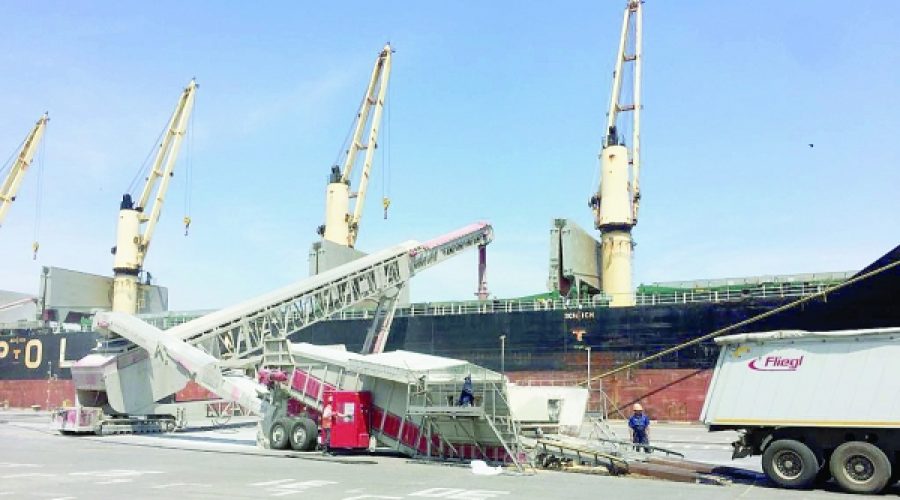
MUSCAT, FEBRUARY 22 — The Port of Salalah, Oman’s main logistics hub on the Indian Ocean, experienced a significant 17% increase in general cargo volumes in 2025, reaching a record 26.4 million tonnes. This growth was largely driven by rising exports of industrial minerals, specifically gypsum and limestone.
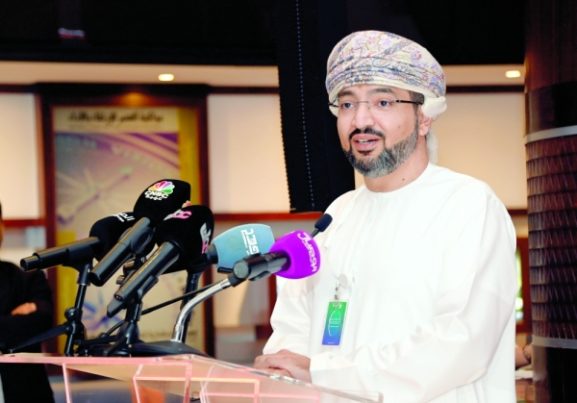
This marks a notable rise from the 22.6 million tonnes recorded in 2024, as reported by Braik bin Musallam al Amri, Chairman of the Board of Directors of Salalah Port Services Co SAOG. He also highlighted that volumes are expected to increase further in 2026, supported by various initiatives aimed at enhancing throughput.
“Despite numerous challenges, the General Cargo Terminal achieved a record volume of 26.4 million metric tonnes,” Al Amri stated in the company’s 2025 Annual Report. He emphasized that growth was primarily fueled by dry bulk commodities such as gypsum and limestone, which continue to see strong demand.
Looking ahead, general cargo volumes are anticipated to remain stable overall, with dry bulk commodities continuing to drive growth. Demand from the construction and manufacturing sectors in India and Southeast Asia is expected to maintain export momentum.
The port is also gearing up for changes in the gypsum export value chain, as Minerals Trading Oman SAOC (MTO) prepares to become the exclusive exporter of gypsum by June 2026. MTO, a wholly owned subsidiary of Minerals Development Oman SAOC, was created to manage the commercial, marketing, sales, and export activities of Oman’s mineral products on behalf of MDO and other local producers. Al Amri noted ongoing collaboration with stakeholders to ensure a smooth transition.
Further growth is projected from increased breakbulk volumes and heightened activity at the port’s Container Freight Station (CFS). Consequently, total cargo volumes are expected to exceed 2025 levels by the end of the year.
On the container front, Salalah handled 4.3 million TEUs in 2025, up from approximately 3.3 million TEUs in 2024. This rise was facilitated by the launch of the Gemini Cooperation between Maersk and Hapag-Lloyd, which has positioned Salalah as a crucial global hub within the alliance’s shipping network.
Al Amri added that any improvements in maritime traffic through the Red Sea and Suez Canal—routes that faced disruption for nearly two years due to the Gaza conflict—would positively impact container volumes.
“With the recent completion of the container terminal upgrade, we are fully prepared to support the Gemini Network, the vessel-sharing alliance between Maersk and Hapag-Lloyd, thereby strengthening Salalah’s strategic role as a transshipment hub,” he said.
Financially, the port delivered strong results in 2025. Consolidated revenue surged 28% year-on-year to RO 89.4 million. EBITDA rose to RO 27.8 million, boosting the margin from 22% in 2024 to 31%. Net profit also increased significantly, reaching RO 7.3 million compared to RO 2.3 million the previous year.
Special Analysis by Omanet | Navigate Oman’s Market
The significant 17% surge in general cargo volumes at Salalah Port—Oman’s premier logistics hub—signals robust growth opportunities in the industrial minerals export sector, particularly gypsum and limestone, driven by strong demand from India and Southeast Asia. The exclusive gypsum export role of Minerals Trading Oman SAOC and the enhanced container terminal capabilities position Salalah as a strategic global transshipment hub, creating attractive prospects for investors and logistics businesses aiming to capitalize on expanding regional trade flows. Smart investors should focus on leveraging infrastructure upgrades and evolving export value chains to secure competitive advantages in Oman’s growing port and mineral export markets.