Stocks Falter and Oil Surges Past $110: What Rising Prices Mean for Investors and Businesses Amid Iran Deadline
SINGAPORE – Global stock markets showed mixed performance on Tuesday, while oil prices remained elevated above $110 per barrel amid investor anxiety over the escalating conflict in the Middle East and an impending deadline for a potential resolution.
Since the outbreak of the U.S.-Israel conflict with Iran in late February, markets have been unsettled, particularly after Iran effectively closed the Strait of Hormuz, a vital global oil transit route. This disruption has intensified inflation concerns worldwide.
Investor hopes for a diplomatic solution have yet to bear fruit. U.S. President Donald Trump set a firm deadline of Tuesday, 8 p.m. Eastern Time (0000 GMT Wednesday), for a deal to be reached. This deadline has led to a cautious and risk-averse market atmosphere, with the U.S. dollar maintaining its strength and oil prices surging.
Brent crude futures climbed 1% to $111.53 per barrel, marking a rise of more than 50% since the war began. Meanwhile, a strong quarterly profit forecast from Samsung Electronics provided a temporary lift to investor sentiment in Asia, before the ongoing energy crisis tempered enthusiasm.
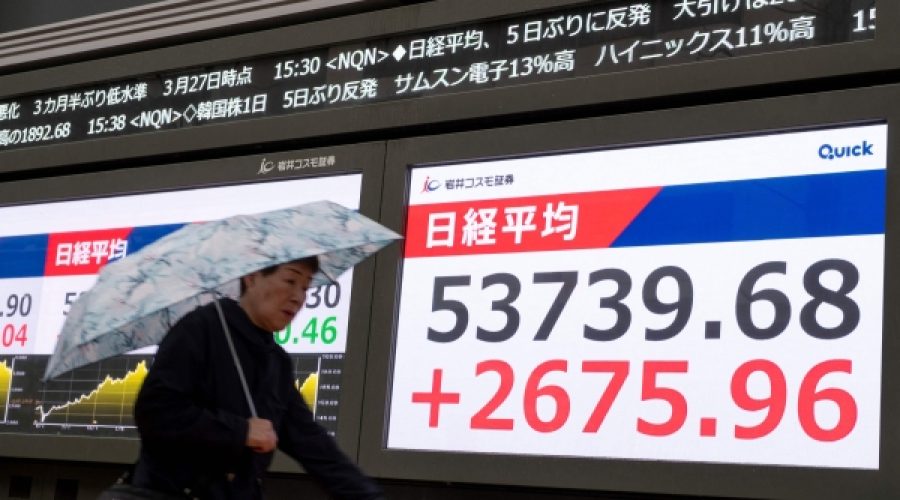
Japan’s Nikkei index fluctuated during the session, ultimately trading flat after erasing early gains. South Korean stocks ended 0.2% higher, down from an earlier surge of over 2.5%. U.S. stock futures dropped 0.35%, whereas European futures suggested a slightly positive opening following holiday closures on Friday and Monday.
Kyle Rodda, senior markets analyst at Capital.com, described the situation as a “Trump-imposed countdown clock,” adding, “There’s no way to predict with any confidence what will happen. Traders may speculate or hedge their bets, but most are likely to adopt a ‘wait and see’ approach.”
Iran has expressed its desire for a permanent end to the conflict rather than a temporary ceasefire and resisted calls to reopen the Strait of Hormuz, through which about 20% of the world’s oil and natural gas supply passes.
President Trump warned that Iran could be “taken out” if it failed to meet his deadline, threatening to destroy Iranian power plants and bridges. He dismissed concerns that such actions might constitute war crimes.
Vasu Menon, managing director of investment strategy at OCBC in Singapore, warned that “any follow-through on threats to target Iran’s power infrastructure would mark a significant escalation, raising the risk of retaliatory actions that could further disrupt Gulf energy facilities.”
The ongoing conflict has heightened fears of stagflation—characterized by high inflation coupled with sluggish economic growth—disrupting global interest rate expectations. Traders have abandoned forecasts for Federal Reserve rate cuts this year.
Recent U.S. data revealed a slowdown in the services sector growth in March, alongside a sharp rise in business input prices, the steepest in over 13 years. This points to intensified inflationary pressure driven by the prolonged conflict.
Upcoming U.S. inflation figures, due on Friday, are expected to highlight the impact of rising energy costs. For now, markets remain focused on whether President Trump’s deadline will bring about a deal.
In currency markets, the euro held steady at $1.1538. The U.S. dollar index hovered near recent highs at 100.03, reflecting its status as a safe haven amid the turmoil. The Japanese yen traded at 159.74 per dollar, close to the critical 160 level monitored for possible intervention following recent strong comments from Japanese officials.
Gold prices eased slightly by 0.17%, trading at $4,640 per ounce in early sessions.
Investors remain cautious as tensions persist, with the potential for further market disruption depending on developments surrounding the Middle East conflict and diplomatic negotiations.
Special Analysis by Omanet | Navigate Oman’s Market
The ongoing Middle East conflict and soaring oil prices above $110 per barrel present both heightened geopolitical risk and inflationary pressure for businesses in Oman, heavily reliant on energy exports. Entrepreneurs and investors should consider the potential for increased revenues from oil but brace for broader economic volatility and supply-chain disruptions. Strategic diversification and risk mitigation will be key to navigating these uncertain market dynamics.