TRA Chief Urges Telecoms to Diversify Beyond Traditional Services: What This Means for Business Growth in Oman
MUSCAT: The Executive President of Oman’s Telecommunications Regulatory Authority (TRA), Eng Omar bin Hamdan al Ismaili, has called on private-sector companies to diversify their investments and develop new revenue streams beyond traditional telecommunications. He emphasized that expanding into broader digital services would enhance company profitability while offering consumers greater choice and better value.
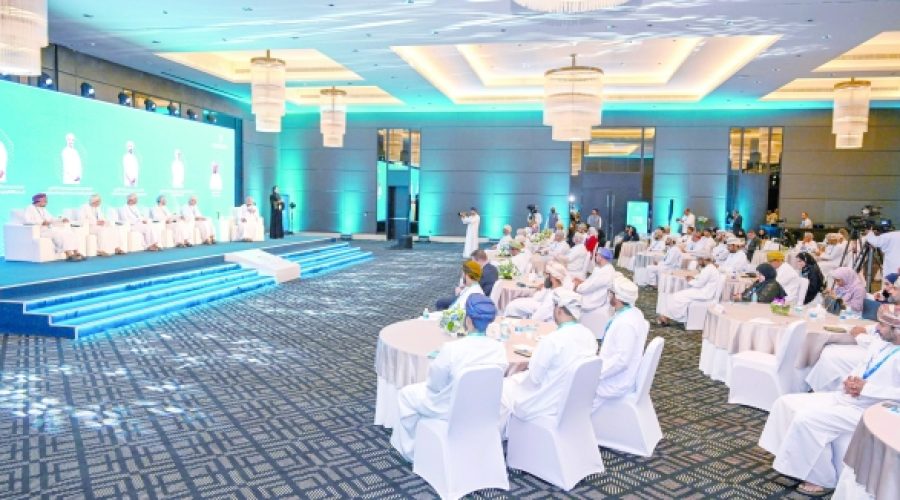
Eng Al Ismaili urged companies to seek alternative sources for revenue growth, focusing on innovation and services beyond core voice and data offerings. During a press briefing, he also stressed the importance of accelerating automation adoption across factories and sectors related to manufacturing and exports. He described automation as a key tool for improving competitiveness and sustainability, enabling firms to reduce inefficiencies, boost productivity, and remain competitive in regional and global markets.
“The objective is not only to improve company performance but also to create a market where consumers benefit from more diverse services, moving away from the traditional telecom offerings that have long dominated the sector,” he stated.
Shifting Beyond Traditional Telecommunications
Recent data presented at the briefing highlight a significant shift in Oman’s telecom market towards new digital uses, especially connected devices and industrial applications. Internet of Things (IoT) subscriptions surged to 1.632 million in 2025, up from 356,000 in 2021 — a remarkable 358% growth over five years. This trend reflects increased demand for connectivity in logistics, utilities, and smart metering.
This expansion has been supported by ongoing investments in national digital infrastructure. Fibre subscriptions grew to 356,000 in 2025 from 184,000 in 2021, while fixed wireless 5G subscriptions increased to 220,000 from 76,000 over the same period. Telecom sector revenues also rose, with licensed companies generating RO 961 million in 2025 compared to RO 768 million in 2021.
Focus on Service Quality and Consumer Outcomes
Eng Al Ismaili’s remarks coincide with the regulator’s emphasis on both infrastructure development and enhanced consumer service performance. Field data indicate that mobile download speeds improved substantially, reaching 113 Mbps in 2025, up from 44 Mbps in 2021. Fixed broadband speeds also rose to 91 Mbps in 2025.
In parallel, consumer complaints to service providers decreased to 240,212 in 2025 from 378,943 in 2021. However, the number of complaints escalated to the TRA itself increased to 6,605 from 1,369, suggesting greater consumer awareness and willingness to use formal complaint channels.
The Executive President linked the push for automation to a broader sustainability and economic development agenda. He underscored that technological adoption should be accompanied by skills development and workforce preparedness. Contrary to concerns about job losses, he described automation as a transition towards new roles in systems operation, maintenance, software, data analysis, cybersecurity, supply chain management, and tech-enabled industrial services — areas critical to Oman’s vision for a resilient and sustainable economy.
Expanding Regulatory Scope
In recent years, the TRA has broadened its regulatory framework to include emerging sectors related to digital diversification. This includes oversight of IoT services, telecom service quality, consumer rights, telecom towers, cloud computing, and data centers, all increasingly vital as operators explore new business opportunities beyond conventional telecom services.
Special Analysis by Omanet | Navigate Oman’s Market
Oman’s telecom sector is rapidly evolving beyond traditional voice and data services, with strong growth in IoT and digital infrastructure driving diversified revenue streams. For businesses, this signals a critical need to invest in innovation and automation to boost competitiveness and sustainability, while smart investors should focus on emerging digital services and tech-enabled industrial applications that align with the country’s digital transformation and workforce development priorities.