US Oil Firms Set to Enter Venezuela: Key Business Opportunities and Risks for Investors
President Donald Trump announced on Saturday that he would permit American oil companies to enter Venezuela to exploit its vast crude oil reserves following a U.S. military operation that led to the capture of Venezuelan leader Nicolás Maduro.
In the early hours of Saturday, the U.S. military conducted a series of airstrikes on Caracas, Venezuela’s capital. Maduro and his wife were apprehended and transported to New York City, where they face charges related to drug trafficking and weapons offenses.
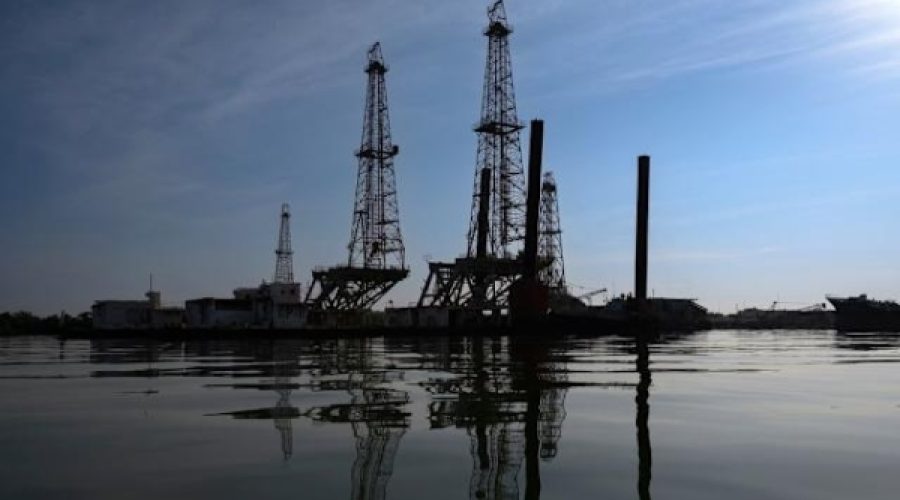
Speaking at a news conference in Florida, Trump stated, "We’re going to have our very large United States oil companies, the biggest anywhere in the world, go in, spend billions of dollars, fix the badly broken infrastructure, the oil infrastructure, and start making money for the country." Despite this, he affirmed that the embargo on all Venezuelan oil remains fully in place.
The U.S. imposed economic sanctions on Venezuela starting in 2017, followed by oil-specific sanctions in 2019. According to the Organization of the Petroleum Exporting Countries (OPEC), Venezuela produces just under one million barrels of crude oil per day, most of which is sold on the black market at significant discounts.
Trump has accused the Maduro regime of using oil revenue to fund "drug terrorism, human trafficking, murder, and kidnapping." At the beginning of his second term in 2025, Trump revoked licenses previously allowing multinational oil and gas companies to operate in Venezuela under the sanctions. Of these, Chevron was the only company granted an exemption. Chevron currently operates four oil fields in Venezuela in partnership with the state-owned company PDVSA and its affiliates.
Additionally, the U.S. has enforced a complete blockade on tankers sanctioned from traveling to and from Venezuela. The country holds approximately 17% of the world’s oil reserves, according to the International Energy Agency (IEA) in 2023, but remains a marginal oil producer due to years of mismanagement and corruption.
Venezuelan oil is generally of lower quality and is primarily refined into diesel or byproducts like asphalt rather than gasoline. U.S. refineries around the Gulf of Mexico are specifically designed to process this type of crude.
Analyst Stephen Schork of the Schork Group told AFP last month that "the United States is doing just fine without Venezuelan oil," suggesting that the motivations behind the U.S. stance are largely political.
Special Analysis by Omanet | Navigate Oman’s Market
The U.S. intervention in Venezuela’s oil sector signals geopolitical shifts that could reshape global oil supply chains, potentially easing pressure on OPEC members like Oman. However, uncertainties and political risks remain high, suggesting smart investors should watch for volatility and emerging opportunities in infrastructure rehabilitation and regional energy partnerships. Businesses in Oman should consider diversifying export markets and strengthening supply resilience amidst evolving U.S.-Venezuela dynamics.