New US Tariffs Take Effect After Court Ruling: What Omani Businesses and Investors Need to Know
Washington – New tariffs on imported goods imposed by the United States came into effect on Tuesday, as President Donald Trump seeks to reassert his trade agenda following a setback by the Supreme Court. The court recently struck down a significant portion of Trump’s global tariffs, challenging a key pillar of his economic policy.
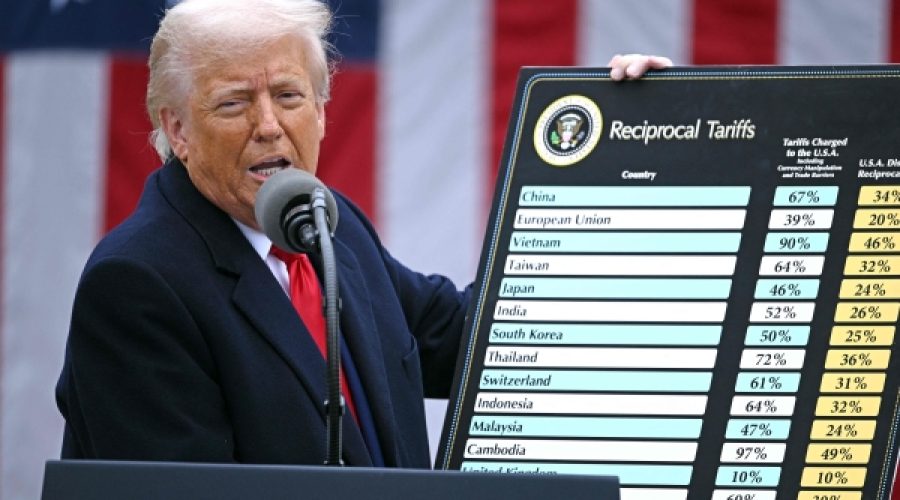
The newly implemented tariffs start at 10 percent and are intended to address “the large and serious United States balance-of-payments deficits,” according to a White House statement released last Friday. President Trump has announced plans to increase this rate to 15 percent. However, exemptions are expected to continue for goods covered by specific sector investigations and those protected under the US-Mexico-Canada trade agreement.
While the sector-specific tariffs on products such as steel and automobiles remain in place, the Supreme Court’s ruling has paved the way for a complicated process concerning refunds for some previously collected duties. The new tariff, effective Tuesday, will be in place for 150 days unless extended by Congress and is widely regarded as a temporary measure while a more permanent trade strategy is developed.
US Customs and Border Protection confirmed it would halt collection of the tariffs invalidated by the court starting Tuesday but simultaneously begin collecting the new 10-percent duties.
In a 6-3 decision, the conservative-majority Supreme Court ruled that President Trump had exceeded his authority by using a 1977 law to impose sudden tariffs on targeted countries.
Erica York, Vice President of Federal Tax Policy at the Tax Foundation, noted that the new tariff will cover $1.2 trillion of imports annually, roughly 34 percent of all imported goods. She added that the average American household faced a $1,000 increase in taxes due to Trump’s tariffs in 2025, with the new and existing tariffs expected to carry a $700 burden in 2026 despite the court ruling.
Despite the ruling, Trump asserted on Monday that the Supreme Court decision “gave him far more powers and strength,” stating he could now use licensing mechanisms to impose serious consequences on foreign countries. Wendy Cutler, a former US trade official and current senior vice president at the Asia Society Policy Institute, remarked that with Trump’s “tariff wings clipped,” the President needs alternative tools to express displeasure over others’ actions. While licensing fees could serve as a substitute, Cutler said they lack the clear numerical impact of tariffs.
Trump also warned on Monday that he might increase tariffs on countries that try to “play games” in response to the court decision, signaling ongoing pressure on trade partners that recently agreed to deals under the specter of tariff threats.
Over the past year, Trump has frequently adjusted tariff rates on various partners, using tariffs as leverage in trade negotiations. Despite these fluctuations, US Trade Representative Jamieson Greer emphasized on CBS that existing tariff agreements will remain in force and expects partners to honor them.
However, the proposed 15-percent tariff applicable to some nations, including Britain and Australia, would be higher than the previous 10-percent rate under the old program. Cutler warned that these moves could deepen dissatisfaction among US trade partners, possibly prompting them to reduce dependence on the United States, although direct retaliation remains unlikely.
Special Analysis by Omanet | Navigate Oman’s Market
The latest U.S. tariffs signal heightened trade tensions and potential supply chain disruptions that could affect Omani exporters and importers dealing with U.S. partners. Smart investors and businesses in Oman should proactively assess exposure to U.S. tariffs and explore market diversification opportunities to mitigate risks and leverage new trade dynamics. This evolving landscape presents both challenges and openings for agile players ready to adapt to shifting global trade policies.