Oman Through Global Eyes: Key Insights for Investors and Entrepreneurs on Business Opportunities
A delegation of young professionals and university students from the UK and several other countries recently visited Oman to gain insight into its cultural heritage, strategic diplomacy, and ambitious development plans. The visit was organised by the UK-MENA Network and the Oxford Diplomatic Society, with support from the British Omani Society.
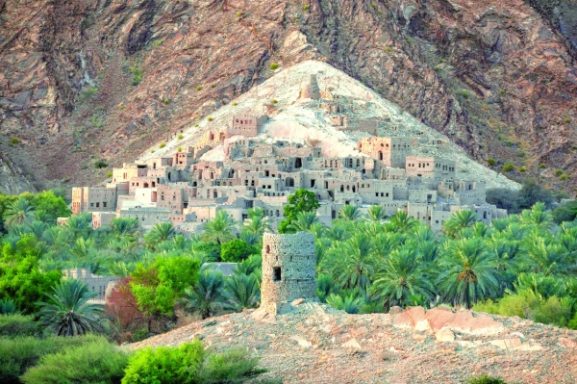
The programme provided participants with a comprehensive understanding of Omani society, its institutions, and natural beauty. For many, including Asmod Khakurel from Nepal, it was their first experience in Oman and the Gulf region. Khakurel remarked, “Oman was completely different from the places I have lived, including Nepal, the US, and the UK. I was fascinated by its unique tastes, flavours, and experiences.” The itinerary featured visits to key landmarks such as the Sultan Qaboos Grand Mosque, Sultan Qaboos University, the Foreign Ministry, Muttrah, Nizwa, Al Jabal Al Akhdhar, and Wadi Al Shab. He also valued meeting fellow Nepalis working in Oman.
The delegation was primarily composed of UK-based students from Oxford, Durham, the London School of Economics (LSE), and SOAS University of London, with additional participants from Germany, Lebanon, Iraq, Jordan, and Somalia.
Sarah Madjour, a Master’s graduate in Global Governance and Diplomacy from Oxford, highlighted the importance of the institutional perspective during the visit. “Oman has long interested me, and experiencing it through its diplomatic and educational institutions helped me understand its approach to regional stability and development,” she said. A key moment was meeting Dr. Madeeha bint Ahmed al Shaibani, Minister of Education, who outlined Oman’s commitment to equitable access to quality education, including in remote areas.
The delegation’s visit to the Foreign Ministry, led by Shaikh Khalifa bin Ali al Harthy, Under-Secretary of the Foreign Ministry for Political Affairs, showcased Oman’s diplomatic philosophy. Madjour noted, “Discussions focused on Oman’s role in mediating regional tensions and its dedication to multilateralism, reinforcing its reputation as a hub of dialogue and stability.”
Participants also explored Oman Vision 2040 initiatives. Khakurel expressed admiration for how government agencies are aligned with the Vision’s goals, particularly in economic diversification, infrastructure modernisation, and inclusive development.
Claudia Quijal, Director of the UK-MENA Network, emphasized Oman’s history of openness and intercultural engagement. “Oman first attracted me while studying diplomacy in the Gulf. The late His Majesty Sultan Qaboos’ pioneering leadership and the welcoming nature of Omanis were clear in every encounter. Walking through Muttrah Souq, I saw how Omanis have long embraced international exchange—from Africa to Kashmir and China—creating a strong sense of hospitality.”
Max Büchner, an Oxford student from Germany, reflected on Oman’s unique blend of tradition and modernity. “Although Oman feels distant from Europe, the warmth of its people, stunning landscapes, and rigorous academic institutions fostered a genuine connection. Experiencing Al Jabal Al Akhdhar and Oman’s heritage was unforgettable.”
The programme also enabled participants to explore entrepreneurship alongside cultural heritage. A young Somali participant shared, “Returning in December after my initial September visit deepened my appreciation for Oman. From Nizwa’s forts and souks to the villages of Al Jabal Al Akhdhar, the country beautifully balances tradition and modernity. Oman Vision 2040 initiatives, led by figures like Shaikh Humaid bin Ali al Maani, Head of the Global Affairs Department at the Foreign Ministry, and Dr. Madeeha bint Ahmed al Shaibani, ensure sustainable growth while preserving cultural identity.”
By the conclusion of the visit, the delegation gained renewed respect for Oman’s distinctive combination of history, diplomacy, and development. The programme underscored the significance of cross-cultural exchange and highlighted Oman’s role as a model of stability and inclusivity in the Gulf region.
Special Analysis by Omanet | Navigate Oman’s Market
Oman’s strategic focus on economic diversification, educational inclusivity, and diplomatic stability as highlighted in the UK-MENA delegation’s visit aligns perfectly with Oman Vision 2040, presenting significant opportunities for investors seeking to engage in sectors like infrastructure, education, and cultural tourism. Businesses should consider leveraging Oman’s reputation as a regional hub of dialogue and intercultural exchange to foster sustainable growth while respecting its unique cultural identity. Smart investors and entrepreneurs must now prioritize partnerships that embrace both modern development and Oman’s rich heritage to capitalize on the country’s forward-looking, stable environment.