World Bank Forecast: Strengthening Oman Economy Driven by Fiscal Policies and Non-Oil Sector Growth—Implications for Investors
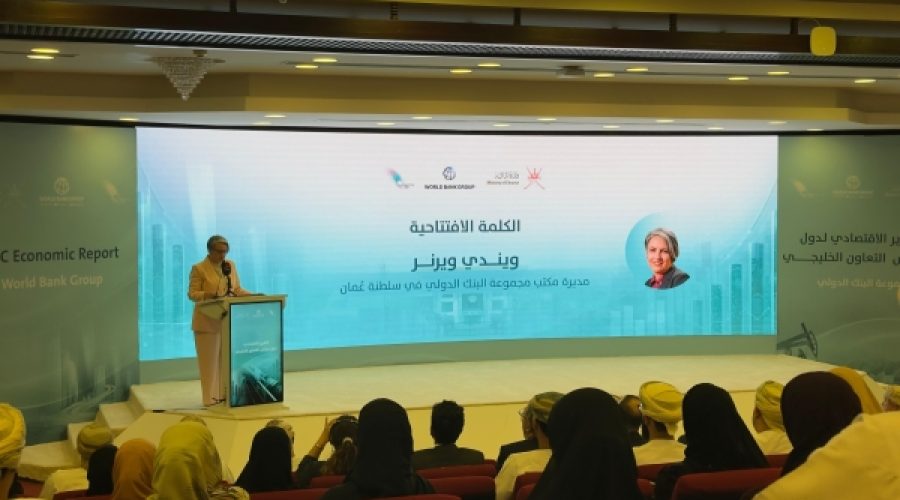
مسقط: The World Bank Group has indicated that Oman’s economy is poised for robust growth in the upcoming years, driven by lower public debt, a burgeoning non-oil sector, and ongoing reforms under Oman Vision 2040. This assessment was presented during a session on the Gulf Economic Update, which saw participation from senior officials and economic experts.
In his opening remarks, Abdullah bin Salem Al Harthy, Under-Secretary of the Ministry of Finance, emphasized Oman’s commitment to a comprehensive economic strategy aimed at diversification, fiscal sustainability, and digital transformation. He noted that these priorities are essential for enhancing economic resilience, promoting sustainable development, and bolstering Oman’s competitive edge both regionally and internationally.
Al Harthy remarked that the report is particularly relevant given the geopolitical shifts and changing global conditions compelling Gulf economies to expedite reforms and adopt more diversified growth models. He highlighted that Oman’s collaboration with international financial institutions, including the World Bank Group, is instrumental in shaping national economic policies through research, technical expertise, and global best practices.
The Oman chapter of the report specifically underscores the country’s advancements in fiscal discipline and sustainability, reflecting the government’s commitment to improving public financial management and enhancing the national economy’s resilience. Al Harthy mentioned that the government aims to align growth objectives with long-term fiscal stability via prudent financial policies, efficient public spending, and increased non-oil revenues.
In a statement to the عمان آبزرور, Wendy Werner, Country Manager for the World Bank Group in Oman, explained that the report contextualizes Oman’s economic performance within broader regional and global trends. “Today’s report covers Oman, but places it in the context of the region and global economic trends," she stated.
Werner added that the World Bank’s initiatives in Oman focus on supporting macroeconomic analysis and policy formulation, aiding the Sultanate in advancing the goals of Oman Vision 2040. She expressed optimism about the World Bank’s growth projections for Oman, anticipating acceleration in the coming years. Key indicators of progress include a sustained reduction in public debt, acknowledged by international credit rating agencies, alongside stronger growth in non-oil sectors. “These are very positive indicators for resilient, credible, and sustained higher growth,” she concluded.
تحلیل ویژه از عمانت | بازار عمان را کشف کنید
تعهد عمان به ... fiscal sustainability and economic diversification underpins positive growth projections, presenting a landscape ripe for investment. Smart investors should capitalize on emerging opportunities in non-oil sectors as the nation enhances its international competitiveness. Yet, businesses must remain agile to navigate the geopolitical shifts that could impact these growth trajectories.