Oman’s AI Race Shifts from Apps to Infrastructure: What This Means for Investors and Entrepreneurs
Muscat: The next phase of artificial intelligence (AI) development in Oman will rely more on robust digital infrastructure than just applications, according to a senior official from Otech. Hassan Al Lawati, representing Otech — the wholly owned technology subsidiary of Omantel — emphasized the company’s efforts to expand its cloud, data centre, cybersecurity, and AI computing capabilities to meet growing demand from government and enterprise sectors for local digital infrastructure.
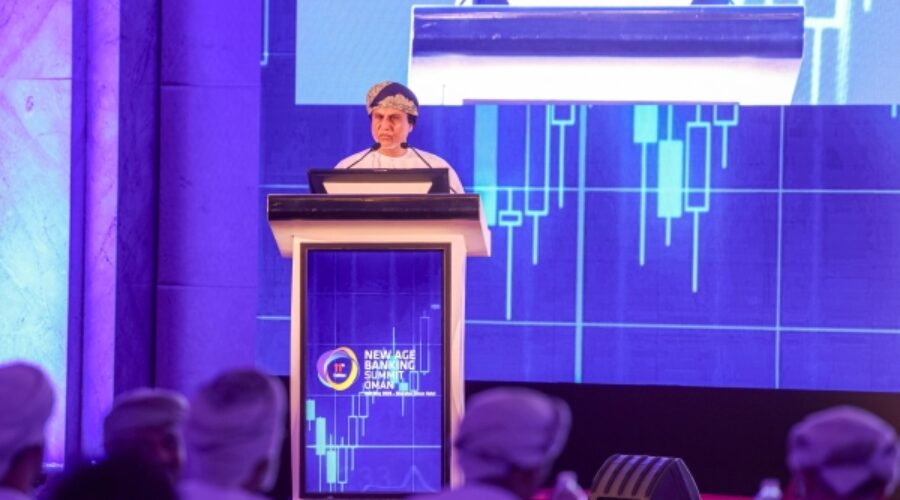
Speaking at a banking technology forum, Al Lawati highlighted that Otech currently operates seven Tier-3-certified data centres, with a combined capacity of 12 megawatts, located in Muscat and Duqm. The company is also enhancing its AI computing infrastructure using NVIDIA GPU platforms.
Describing the layered nature of cloud technology — encompassing data centres, infrastructure, software platforms, and application data — Al Lawati explained that a clear understanding of this structure enables better planning and organisation of applications. Otech has evolved beyond traditional co-location and hosting services into a comprehensive provider of cloud computing, managed services, cybersecurity, and AI infrastructure. Its services cater to sectors such as telecoms, oil and gas, banking, healthcare, and government.
Currently serving around 1,200 customers, Otech has expanded its offerings over the past three years to include AI and large language model (LLM) services. These include GPU-based workloads for healthcare imaging, computer vision, and seismic analysis. The company also delivers multi-cloud services through partnerships with major providers like AWS, Oracle Cloud Infrastructure, and Huawei Cloud, with further collaboration agreements underway.
Al Lawati noted that banks and enterprises are increasingly modernising legacy systems by adopting cloud-native applications, integrating cybersecurity, and deploying AI-enabled digital platforms. Fintech applications, in particular, can now be implemented within days using containerised cloud technologies. A noteworthy development is the expansion of locally hosted government AI systems.
Otech supports these government AI and LLM initiatives through a national platform developed in partnership with the Ministry of Transport, Communications and Information Technology. Approximately 23,000 government users are connected to this system. Al Lawati added that organisations are seeking greater control over their data, applications, and cybersecurity infrastructure as cloud adoption accelerates across various sectors.
This push aligns with broader Gulf regional trends, where significant investments are being made in data centres, AI computing power, and sovereign digital infrastructure as part of economic diversification and technology strategies. While global conversations on AI often focus on applications and chatbots, competition is increasingly concentrated on the infrastructure that supports these technologies — including data centres, computing capacity, cloud platforms, and cybersecurity systems.
For Oman, digital infrastructure could emerge as a strategic cornerstone of Vision 2040, complementing efforts in logistics, energy, and industrial diversification.
تحلیل ویژه از عمانت | بازار عمان را کشف کنید
Oman’s strategic investment in expanding local AI infrastructure, cloud, and cybersecurity capabilities signals a shift from application reliance to foundational digital infrastructure growth, essential for sectors like banking, healthcare, and government. This evolution presents a prime opportunity for smart investors and entrepreneurs to tap into the burgeoning digital infrastructure market, aligning with Oman’s Vision 2040 economic diversification goals. Businesses should prioritize adopting cloud-native and AI-enabled solutions locally, ensuring data control and cybersecurity as competitive differentiators in the evolving landscape.