Oman’s OPES 2026: Key Sustainability and Energy Investments Shaping Business Opportunities for Investors and Entrepreneurs
MUSCAT: As the global shift towards clean energy and low-carbon development accelerates, the Sultanate of Oman is positioning itself as a leading investment destination in the energy and sustainability sectors. The recent OPES 2026 event firmly established Oman’s prominence as a key emerging hub for investments in these fields within the region.
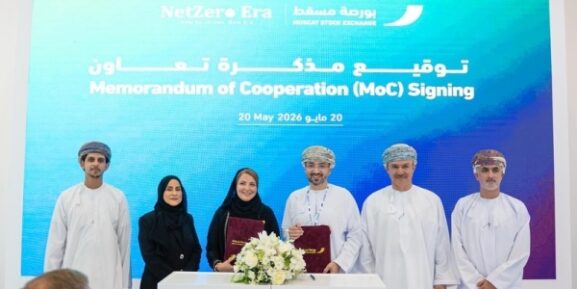
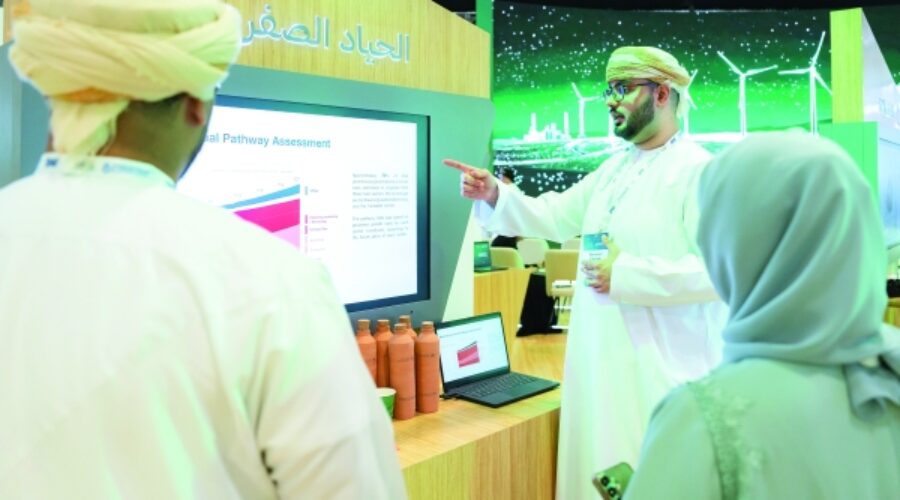
Throughout the week-long event, a wide range of activities and exhibitions opened new avenues for strategic partnerships among oil, gas, energy, and mining companies. The event also played a crucial role in accelerating investments in local value chains and enabling small and medium-sized enterprises (SMEs) to contribute to future energy projects, spanning services, manufacturing, and clean energy technologies.
OPES 2026 attracted significant participation from major international corporations, investment institutions, and energy technology firms. The discussions centered on opportunities for growth in green hydrogen, renewable energy, mining, and low-emission energy industries, all of which are integral to the economic diversification plans outlined in Oman Vision 2040.
Economic forecasts indicate that Oman is set to implement a series of strategic clean energy projects with total investments expected to exceed $140 billion by 2050. These initiatives aim to boost the national economy’s competitiveness, reduce reliance on conventional oil, and position energy as a key driver of future growth.
The Sultanate aspires to produce between 7.5 and 8 million tonnes of green hydrogen annually by 2050, placing Oman among the world’s top exporters of hydrogen to European and Asian markets. This ambition will be supported by major solar and wind energy projects in the Al Wusta and Dhofar governorates.
In the electricity and renewable energy sector, Oman plans to increase the share of renewable sources to around 30% of the energy mix by 2030. This goal will be achieved through projects generating more than 16 gigawatts of solar and wind power, enhancing energy security, lowering carbon emissions, and advancing the country’s net-zero objectives.
Renewable energy and green hydrogen initiatives are projected to create up to 70,000 direct and indirect jobs over the coming decades. These projects will also boost local value addition by leveraging local suppliers, facilitating technology transfer, and building national capabilities in engineering, operations, maintenance, and specialized services.
Several Omani oil and gas companies participated in OPES 2026 to showcase their sustainability and growth strategies. Mohammed bin Hamoud al Maskari, Senior Production Manager at Daleel Petroleum, emphasized, “Sustainability is a core pillar at Daleel Petroleum and integral to our decision-making. We have launched various projects to minimize the environmental impact of our operations, aligning with Oman’s net-zero goals.”
During OPES 2026, Daleel Petroleum signed two agreements to support new projects, reinforcing its commitment to creating sustainable value for local communities, particularly in Al Dhahirah Governorate, by enhancing residents’ quality of life.
Experts in economics and energy regard the outcomes of OPES 2026 as a significant milestone in Oman’s economic progress. The event underscored Oman’s firm commitment to achieving net-zero carbon neutrality by 2050 through investments in clean technologies, the circular economy, and sustainable energy initiatives.
تحلیل ویژه از عمانت | بازار عمان را کشف کنید
Oman’s strategic focus on clean energy and sustainability, highlighted by OPES 2026, positions the Sultanate as a regional investment hotspot with over $140 billion projected investments by 2050 in green hydrogen, renewables, and low-emission industries. Businesses and investors should capitalize on emerging opportunities in green hydrogen exports and renewable energy projects, while SMEs can leverage new value chain participation. The drive towards net-zero carbon neutrality by 2050 creates significant growth potential but also demands agile adaptation to evolving technologies and sustainability standards.