Global Fertiliser Trade Declines 30% Amid Middle East Conflict: Implications for Oman’s Agriculture Sector
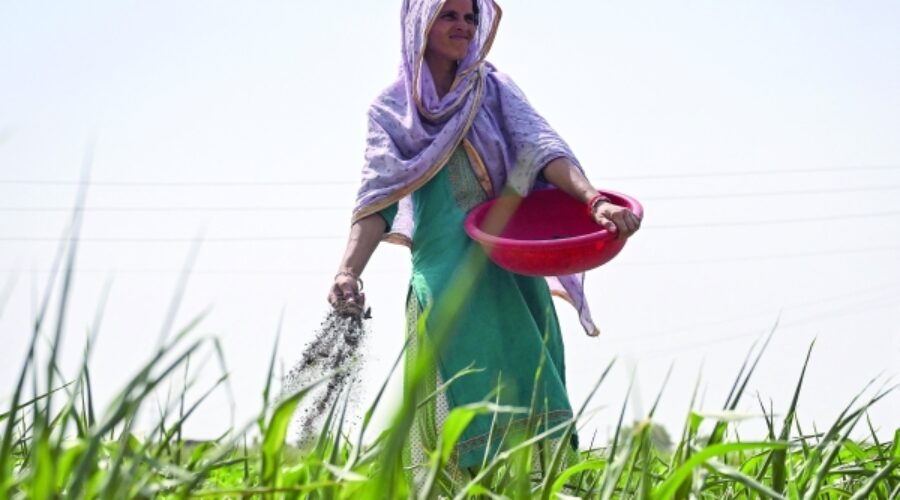
پاریس: Global trade in fertilizers, essential for agricultural harvests around the world, has decreased by ۳۰ درصد since the beginning of the year. This decline has been attributed to soaring prices stemming from ongoing conflict in the Middle East, which has prompted several countries to impose export restrictions, according to the United Nations Food and Agriculture Organization (FAO) reported on Thursday.
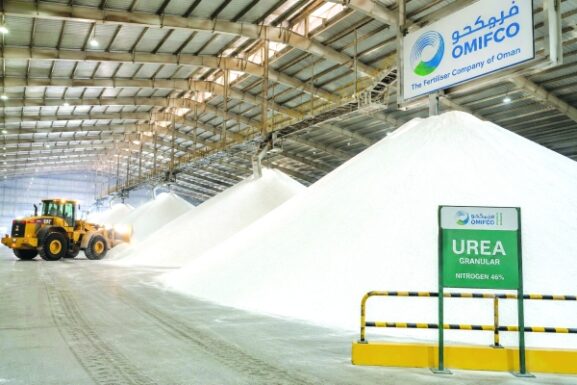
As supply chains have tightened with the effective closure of the Strait of Hormuz, many farmers have either delayed or entirely forgone purchases of fertilizers. This closure has hindered the shipments of raw materials and liquefied natural gas (LNG) critical for fertilizer production.
Countries such as China, Russia, Türkiye, and Egypt—key producers—have limited their exports to protect their domestic markets. Between February and May, average prices surged by ۲۵ درصد, as indicated by the FAO’s latest biannual Food Outlook report.
Consequently, trade volumes dropped to 41 million tonnes in the first four months of this year, a significant decline from 58 million tonnes در مدت مشابه سال گذشته.
Even if the Strait reopens under a recently signed agreement between the US and Iran, the FAO warns that the recovery of nitrogen, phosphates, and sulfur-linked inputs is likely to be slow and uneven, keeping prices historically high. Prior to the outbreak of conflict on February 28, approximately one-third of the world’s fertilizer supply transited through the Strait of Hormuz. Officials have raised concerns that farmers could face shortages during the upcoming summer growing season. — AFP
تحلیل ویژه از عمانت | بازار عمان را کشف کنید
The 30% decline in global fertiliser trade poses significant risks for Omani businesses dependent on agriculture, potentially leading to higher crop prices and lower yields. This environment creates opportunities for local producers to innovate and fill gaps left by international shortages, but investors must remain vigilant about volatile pricing and supply chain disruptions. Smart entrepreneurs should explore alternative fertiliser sources and invest in sustainable farming technologies to minimize reliance on imports during this uncertain period.