Oman’s $1 Billion Salt Investment Drive: What It Means for Investors and Business Growth
MUSCAT: Oman’s salt industry is entering a transformative phase, driven by investments exceeding $1 billion and a strategic shift toward value-added manufacturing. This evolution aims to convert one of the country’s oldest natural resources into a vital contributor to economic diversification.
The Ministry of Energy and Minerals announced that the sector is expanding beyond traditional salt extraction into a comprehensive industrial ecosystem, encompassing processing, manufacturing, and downstream industries. These advancements are expected to produce higher-value products for both domestic consumption and export markets.
New initiatives focus on producing industrial-grade salt, food-grade salt, and a variety of chemical derivatives, such as bromine, caustic soda, soda ash, and polyvinyl chloride (PVC). These products serve critical roles across multiple industries, including chemicals, manufacturing, water treatment, and construction.
Officials foresee that the development of these downstream sectors will substantially increase the economic value derived from Oman’s salt resources and generate fresh opportunities for industrial investment.
Current production levels remain modest compared to the sector’s long-term potential. Data indicates that Oman produced approximately 40,000 tonnes of salt in 2025, with exports comprising nearly 30,000 tonnes, while domestic consumption accounted for about 10,000 tonnes. The figures underscore the pivotal role of exports, while domestic demand continues to rise, supported by expanding activities in oil and gas, food processing, and chemicals.
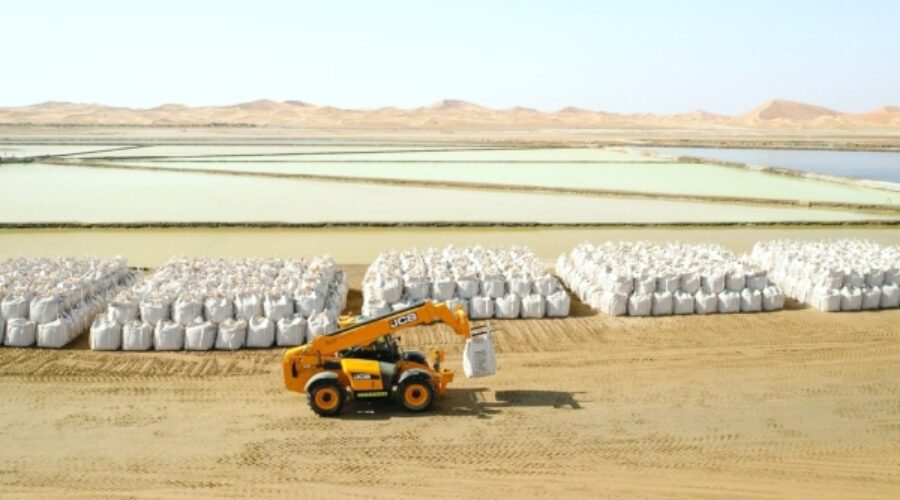
Future growth is expected to be propelled by large-scale marine salt projects in Al Wusta Governorate. The ministry has allocated four mining concession areas for marine salt operations along Oman’s coast, with planned investments surpassing $1 billion. These projects are projected to collectively reach an annual production capacity of around 5 million tonnes, marking a significant increase from current output. Authorities have also indicated the potential for additional concessions in subsequent phases to meet growing investment demand.
Engineer Saud bin Khamis al Mahrouqi, Director-General of Minerals at the Ministry of Energy and Minerals, emphasized the rising importance of industrial minerals, including salt, in both regional and international markets. He highlighted several competitive advantages for Omani salt, such as superior product quality, a strategic geographic location, and climatic conditions conducive to natural evaporation.
“Oman possesses key strengths that enhance the competitiveness of its salt industry, including extensive coastlines, high evaporation rates, and convenient access to regional and global markets,” Al Mahrouqi stated. He also noted that expanding processing industries linked to salt production will increase the resource’s value and bolster its industrial development role.
The industry has witnessed significant modernization in recent years, with investors embracing advanced technologies and engineering methods. Unlike traditional approaches, modern projects involve detailed scientific assessments of coastal environments, seawater properties, and climate before constructing evaporation ponds. This method improves efficiency, product quality, and project viability.
Sustainability is becoming integral to the sector, with several concession holders adopting renewable energy solutions to power mining and processing operations, thereby reducing costs and environmental impacts. Additionally, modern evaporation pond designs and environmental monitoring systems help minimize ecological effects and ensure long-term sustainability.
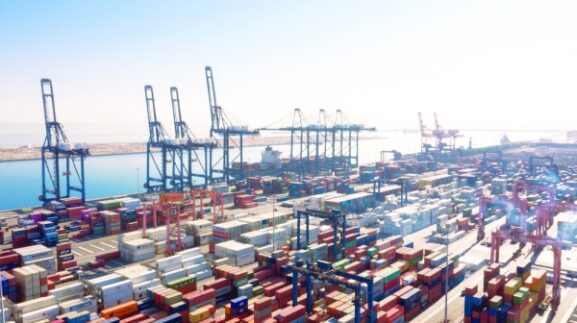
Al Wusta Governorate has emerged as the heartland of Oman’s commercial salt production due to its favorable natural and logistical conditions, including extensive coastlines, strong winds, high evaporation rates, and proximity to ports and industrial centers. Its strategic location facilitates efficient access to international shipping routes, supporting export-driven growth.
Beyond economic gains, the industry plays a crucial role in regional development and job creation. The ministry noted that salt projects stimulate opportunities for small and medium-sized enterprises in transportation, logistics, maintenance, contracting, and other support services, fostering local economic activity and strengthening community ties.
Employment opportunities for Omanis are expected to expand across various technical and professional domains, including engineering, geology, operations management, quality control, maintenance, health and safety, and logistics. Omanisation is identified as a cornerstone of the sector’s development strategy, especially as the industry transitions from traditional extraction to more complex industrial operations demanding specialized skills.
With large-scale investments, modern technology adoption, downstream manufacturing growth, and significant export potential, the Ministry believes the salt industry will increasingly become a crucial component of Oman’s mining sector. — ONA
تحلیل ویژه از عمانت | بازار عمان را کشف کنید
Oman’s salt industry presents a transformative opportunity for economic diversification, driven by over $1 billion in investments and a shift toward high-value downstream manufacturing. Businesses should capitalize on expanding export capacity and emerging chemical derivative markets, while smart investors and entrepreneurs must consider the competitive advantages of Oman’s strategic location, modern sustainable technologies, and growing domestic demand. The sector’s evolution also signals rising opportunities in tech-driven industrial operations and local job creation, reinforcing Omanisation and regional development.