پروژههای $800-900 میلیون دلاری OQEP برای سال 2026: این موضوع چه معنایی برای فرصتهای سرمایهگذاری در عمان دارد؟
مسقط، ۱۰ مارس — شرکت اکتشاف و تولید OQ (OQEP)، شرکت برتر انرژی بالادستی دولتی عمان، هزینههای سرمایهای را بین ... ۱TP4T800 میلیون و ۱TP4T900 میلیون به دلیل سبد گسترده داراییهای عملیاتی و غیرعملیاتی خود در عمان در طول سال 2026.
به عنوان یک نهاد سهامی عام تحت نظر گروه OQ، OQEP مدیریت میکند. ۱۴ دارایی بالادستی, که در مجموع میانگینی از ۲۲۴۰۰۰ بشکه معادل نفت در روز (boe/d) در سال 2025، که منعکس کننده سود خالص کاری آن است. مدیران اجرایی قصد دارند سطح تولید بین ... باقی بماند. ۲۲۰،۰۰۰ و ۲۳۰،۰۰۰ بشکه در روز در سال ۲۰۲۶، با احتساب نفت 54% و گاز 46% از این مجموع - استراتژیای که برای ارائه انعطافپذیری در دورههای نوسان قیمت نفت طراحی شده است.
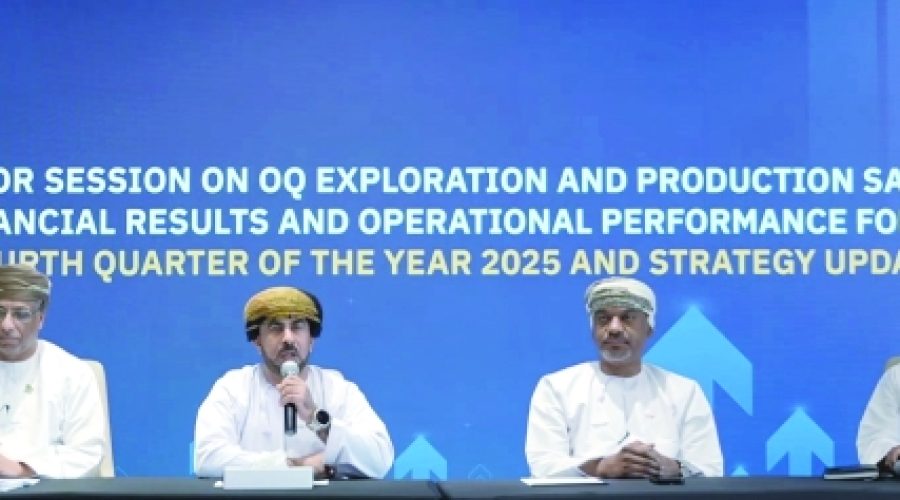
در جلسه اخیر با سرمایهگذاران، مدیر ارشد مالی، جابر النعمانی، بر هدف شرکت مبنی بر پایین نگه داشتن هزینههای عملیاتی تأکید کرد. $10 به ازای هر بشکه معادل نفت. پیشبینی هزینههای سرمایهای در ... $0.8 میلیارد تا $0.9 میلیارد, ، همسو با بهره خالص کاری.
نسبت بدهی خالص به EBITDA شرکت OQEP در حال حاضر تقریباً ... ۰.۲۴x, ، زمینه قابل توجهی برای رشد آینده فراهم میکند. به عنوان بخشی از یک استراتژی رشد پنج ساله، این شرکت قصد دارد به سطوح تولیدی در حدود ... دست یابد. ۳۰۰۰۰۰ بشکه نفت در روز تا سال ۲۰۳۰. انتظار میرود این ساختار سرمایه محتاطانه، هدف ۱.۰ برابر نسبت بدهی خالص به EBITDA تحت قیمتهای رایج نفت، با احتساب ذخایر تا سقف ۱.۵ برابر در شرایط نامساعد قیمتی.
دکتر انور الخروسی، مدیر ارشد بازرگانی، استراتژی پنج ساله شرکت (2026-2030) را که بر ارکان اساسی بنا شده است، شرح داد: افزایش جریان نقدی، افزایش تولید و ذخایر، حفظ رشد پس از سال 2030 و تنوع تدریجی در سطح بینالمللی.
دکتر الخاروسی دو کانون اصلی رشد را شناسایی کرد:
-
به حداکثر رساندن فرصتهای داخلی در عمان با توسعه منابع و پیشبرد پروژههای یکپارچه نفت، گاز و LNG، از جمله پروژههای در حال انجام پروژه بانکرینگ LNG مارسا در بندر و منطقه آزاد صحار.
-
ایجاد تابآوری و گسترش در سطح بینالمللی، بهرهگیری از حمایت دولت و مشارکت با شرکتهای بینالمللی نفتی (IOCs) برای نفوذ به بازارهای مربوطه در سراسر خاورمیانه و شمال آفریقا، و انتقال مؤثر دانش و تجربه کسب شده در عمان.
حمود الهاشمی، مدیرعامل شرکت، در مورد استراتژی رشد خاطرنشان کرد که این شرکت رشد ارگانیک - به ویژه موفقیت در بلوکهای ۴۸ و ۶۰ - را با ادغامها و خریدهای داخلی و خارجی ترکیب خواهد کرد. خریدها تحت غربالگری دقیق بر اساس تناسب استراتژیک، معیارهای مالی و سایر جنبههای حیاتی، به همراه بررسیهای داخلی و شخص ثالث، انجام خواهند شد.
“آرزوی ما رسیدن به ۳۰۰۰۰۰ بشکه نفت در روز تا سال ۲۰۳۰. ”سرعت این رشد به در دسترس بودن خریدهای مناسب در کنار توسعه ارگانیک بستگی دارد. تسریع رشد زودتر مفید خواهد بود، اما ما باید به معیارهای مالی خود پایبند باشیم. ما به یک مسیر رشد تدریجی متعهد هستیم و در عین حال انضباط مالی را در تمام شاخصهای کلیدی مالی تضمین میکنیم.».
تحلیل ویژه از عمانت | بازار عمان را کشف کنید
OQEP ها هزینههای سرمایهای برنامهریزیشده ۱TP4T800-$900 میلیون و افزایش تولید هدف به ۳۰۰۰۰۰ بشکه نفت در روز تا سال ۲۰۳۰ نشان دهنده پتانسیل رشد قوی در بخش انرژی عمان است. این امر باعث ایجاد فرصتهایی برای کسبوکارها در صنایع مرتبط، به ویژه در پروژهها و زیرساختهای LNG توسعه، ضمن تأکید بر نیاز به سرمایهگذاران هوشمند هوشیار باشند در مورد تملک داراییها در چارچوب انضباط مالی سختگیرانه. شرکتها باید آماده باشند تا از پروژههای داخلی و توسعه بینالمللی بهره ببرید برای پیشرفت در بحبوحه نوسانات قیمت نفت.