ثبات رتبهبندیهای دولتی در بحبوحه درگیری با ایران: آنچه سرمایهگذاران برای ثبات بازار باید بدانند
مسقط، ۱۱ مارس - موسسه رتبهبندی فیچ اعلام کرده است که رتبهبندی اعتباری نهادهای کلیدی مرتبط با دولت عمان (GREs)، از جمله شرکت توسعه انرژی عمان (EDO)، شرکت OQ SAOC، شرکت مخابرات عمان (Omantel)، شرکت توزیع برق ناما و شرکت انتقال برق عمان (OETC)، بعید است که تحت تأثیر درگیریهای جاری با ایران قرار گیرد، مشروط بر اینکه خصومتها کوتاهمدت باقی بمانند.
تحلیل این آژانس رتبهبندی مبتنی بر احتمال قوی ادامه حمایت دولت از این شرکتهای استراتژیک است. فرض اولیه فیچ پیشبینی میکند که این درگیری در مدت زمان کمتر از یک ماه مهار خواهد شد.
فیچ در ارزیابی خود که در 10 مارس 2026 منتشر شد، خاطرنشان کرد: “بیشتر شرکتهای رتبهبندیشده در شورای همکاری خلیج فارس بر اساس یک رویکرد از بالا به پایین ارزیابی میشوند و رتبهبندی آنها با رتبهبندی پیشفرض صادرکننده (Subscriber Default Rating) دولتها همسو است. با این حال، این سناریوی پایه، عدم قطعیت قابل توجهی را به همراه دارد. اگر اختلال در صادرات انرژی فراتر از انتظارات گسترش یابد، میتواند منجر به اثرات نامطلوب قابل توجهی بر رتبهبندی اعتباری دولتها در سراسر منطقه شود.”.
این آژانس تأکید کرد که انتظار میرود شرکتهای ملی نفت مانند EDO و OQ به دلیل سلامت مالی قوی، حداقل اهرم مالی و ذخایر نقدینگی قابل توجه خود، در برابر اختلالات فعلی مقاومت کنند.
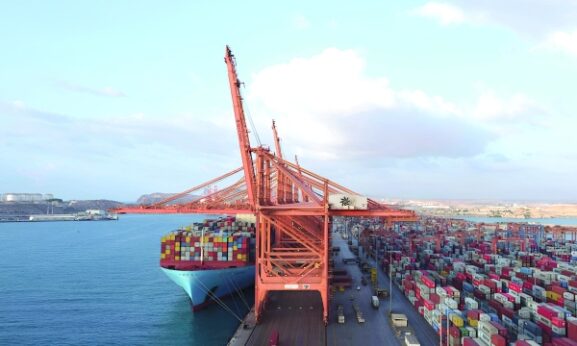
فیچ توضیح داد: “با توجه به اهمیت اقتصادی حیاتی تنگه هرمز، بسته شدن موقت آن، فرضیه اصلی ماست.” با این وجود، محدودیتهای اعمال شده بر ترافیک دریایی میتواند چالشهای کوتاهمدتی را برای توانایی شرکتهای منطقهای در صادرات محصولات یا حفظ زنجیرههای تأمین ایجاد کند. در حالی که این شرکتها و اپراتورهای زیرساختی عموماً نقدینگی کوتاهمدت کافی برای مدیریت وقفههای عملیاتی دارند، اختلالات طولانیتر میتواند وابستگی آنها به حمایتهای دولتی را افزایش دهد.
فیچ در ارزیابی خود، از نمایه اعتباری مستقل (SCP) برای ارزیابی قدرت مالی ذاتی این نهادهای دولتی، مستقل از حمایت دولت، استفاده کرد. EDO، که سهم 60% دولت در شرکت توسعه نفت عمان و حقوق کامل گاز در بلوک 6 را در اختیار دارد، دارای SCP 'bbb+' است که نشان دهنده اصول اعتباری قوی و نقش استراتژیک حیاتی آن است. OQ، یک گروه انرژی یکپارچه کاملاً دولتی، دارای SCP 'bbb-' است که به لطف عملیات متنوع خود در پالایش، پتروشیمی و زیرساختهای انرژی، هرچند با قرار گرفتن در معرض چرخههای قیمت کالاها و اهرم مالی متعادل میشود، اما همچنان از قدرت مالی بالایی برخوردار است.
در بخش مخابرات، عمانتل دارای SCP با رتبه "bbb" است که با عملکرد عملیاتی قوی، موقعیت قوی در بازار داخلی و سرمایهگذاریهای منطقهای پشتیبانی میشود. در بخش برق، شرکت توزیع برق ناما و OETC هر دو دارای SCP با رتبه "bb+" هستند که نشان دهنده چارچوبهای درآمدی تنظیمشده پایدار اما انعطافپذیری مالی متوسط است.
از زمان شروع درگیری حدود ۱۲ روز پیش، تنشها باعث افزایش قیمت انرژی، هزینههای حمل و نقل و خطرات تورمی شده است، زیرا اختلالات در اطراف تنگه هرمز - که تقریباً ۲۰۱TP3T از نفت جهان و محمولههای قابل توجه LNG را جابجا میکند - بازارهای انرژی و زنجیرههای تأمین جهانی را آشفته کرده است.
ارزیابی فیچ، ضمن برجسته کردن خطرات منطقهای مرتبط با اختلالات طولانی مدت در صادرات انرژی، بر تابآوری شرکتهای دولتی عمان در مواجهه با چالشهای ژئوپلیتیکی تأکید میکند.
تحلیل ویژه از عمانت | بازار عمان را کشف کنید
درگیری فعلی که ایران در آن دخیل است، نشان میدهد ریسک عملیاتی کوتاهمدت اما تأثیر اعتباری محدود در نهادهای کلیدی مرتبط با دولت عمان، که از حمایت قوی دولتی و سوابق مالی قوی برخوردارند. کسبوکارها باید برای اختلالات احتمالی زنجیره تأمین و صادرات آماده باشند، در حالی که سرمایهگذاران ممکن است در نهادهایی با نقدینگی قوی و نقشهای استراتژیک، به ویژه در بخشهای انرژی و مخابرات، فرصتهایی پیدا کنند. با این حال، یک درگیری طولانی مدت میتواند خطرات حاکمیتی و شرکتی را تشدید کند و نظارت محتاطانه را ضروری میسازد.