تهدید قیمت نفت: معنای آن برای سرمایهگذاران و کسبوکارها در عمان چیست؟
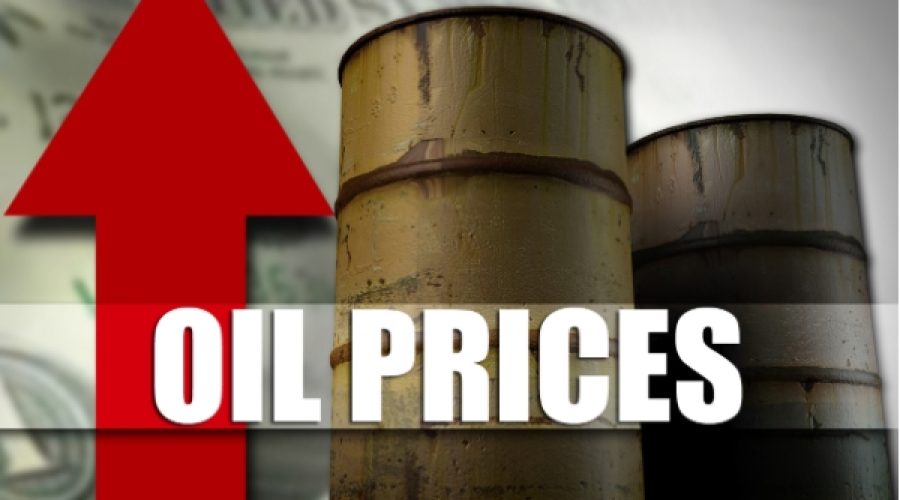
هشدار ایران مبنی بر اینکه قیمت نفت میتواند به بشکهای ۱TP4T200 افزایش یابد، ممکن است اغراقآمیز به نظر برسد، اما با ادامه بحران انرژی، این سناریو از ادعای دونالد ترامپ، رئیس جمهور آمریکا، مبنی بر اینکه قیمتها به زودی به سطح قبل از درگیری باز خواهند گشت، محتملتر به نظر میرسد.
در سومین هفته خود، درگیری مشترک اسرائیل و آمریکا با ایران به یک جنگ منطقهای تبدیل شده است که به طرز شگفتآوری تأثیر محدودی بر شاخصهای جهانی نفت دارد. نفت خام برنت در حال حاضر نزدیک به ۱TP4T100 در هر بشکه معامله میشود که تقریباً ۶۵۱TP3T بالاتر از ابتدای سال است. در حالی که این قیمت تنها چند هفته پیش غیرقابل تصور بود، اما همچنان پایینتر از اوج کوتاه مدت تقریباً ۱TP4T120 دوشنبه گذشته است.
با وجود بسته شدن عملی تنگه هرمز - که حدود 20 میلیون بشکه در روز یا یک پنجم عرضه جهانی نفت را جابجا میکند - قیمت نفت خام به طرز چشمگیری افزایش نیافته است، اگرچه مسلماً باید افزایش مییافت.
قیمت نفت برنت روز دوشنبه اندکی کاهش یافت، پس از گزارشهایی مبنی بر اینکه برخی از تانکرهای حامل نفت خام و فرآوردههای نفتی به هند، چین و پاکستان اخیراً با خیال راحت از این تنگه عبور کردهاند. با این حال، این حجمها حداقل هستند.
به نظر میرسد فعالان بازار به رئیس جمهور ترامپ حق میدهند و شرط میبندند که بحران به سرعت فروکش خواهد کرد و تنگه هرمز به زودی بازگشایی خواهد شد. این خوشبینی که “ترامپ پوت” یا “تجارت تاکو” نامیده میشود، مبتنی بر این باور است که ترامپ میتواند آسیبهای بازار را محدود کند.
“ترامپ روز دوشنبه گفت: ”وقتی این [بحران/بحران کرونا] تمام شود، قیمت نفت خیلی خیلی سریع پایین خواهد آمد.» اما این چشمانداز خوشبینانه به طور فزایندهای با واقعیتهای در حال وقوع در تضاد است - هم در میدان نبرد، جایی که درگیریها شدت میگیرد، و هم در بازارهای فیزیکی، جایی که تنگناهای عرضه رو به وخامت است.
بازارهای فیزیکی نفت خام، استرس شدیدی را نشان میدهند که بازارهای کاغذی آن را نادیده گرفتهاند. برای مثال، نفت خام عمان که از نزدیکی تنگه هرمز صادر میشود، در حال حاضر با اختلاف بیسابقه ۱TP4T51 در هر بشکه نسبت به نفت برنت معامله میشود، در حالی که این اختلاف در فوریه به طور متوسط تنها ۷۵ سنت بود. این اختلاف، قیمت نفت خام عمان را برای تحویل در ماه مه به حدود ۱TP4T150 در هر بشکه میرساند. به طور مشابه، اختلاف قیمت نقدی نفت خام دبی از ۹۰ سنت در فوریه به ۱TP4T56 در هر بشکه افزایش یافت که نشاندهنده عدم قطعیتهای عمیق در مورد عرضه در بحبوحه حملات مکرر ایران به پایانههای نفتی در عمان و در فجیره، نقطه اصلی صادرات امارات متحده عربی در خارج از هرمز است.
این وضعیت چالش قابل توجهی را برای پالایشگاهها، به ویژه در آسیا، ایجاد میکند که برای تقریباً ۶۰۱TP3T از واردات نفت خام خود به خاورمیانه وابسته هستند. با توجه به اینکه ارسال نفت از خلیج فارس به آسیا حدود یک ماه طول میکشد، هر روزی که این تنگه بسته بماند، شکاف عرضه را بیشتر میکند. پالایشگاههای آسیایی در حال حاضر نرخ فرآوری را برای حفظ ذخایر رو به کاهش کاهش دادهاند. شرکت سینوپک چین، بزرگترین پالایشگاه جهان، از برنامههای خود برای کاهش بیش از ۱۰۱TP3T در این ماه به دلیل کمبود نفت خام خبر داد. چین و تایلند ممنوعیتهایی را برای صادرات سوخت تصفیه شده اعمال کردهاند که ممکن است بازارهای جهانی را بیش از پیش محدود کند.
قیمت سوختهای پالایششده در بحبوحه کمبود فزاینده نفت خام، در حال افزایش است. قیمت سوخت جت در آسیا به ۱TP4T200 در هر بشکه نزدیک میشود که نزدیک به بالاترین رکورد حدود ۱TP4T220 است که اوایل این ماه به ثبت رسیده بود.
این بحران فراتر از آسیا گسترش یافته است. اروپا که تقریباً سه چهارم صادرات سوخت جت خاورمیانه را که سال گذشته از طریق هرمز حمل میشد (حدود ۳۷۹۰۰۰ بشکه در روز) به خود اختصاص داده بود، از زمان شروع درگیریها شاهد عبور هیچ محمولهای از این تنگه نبوده است. در نتیجه، بارجهای سوخت جت در قطب آمستردام-روتردام-آنتورپ به رکورد ۱TP4T190 در هر بشکه رسیدند و از اوج مشاهده شده درست پس از حمله تمام عیار روسیه به اوکراین در فوریه ۲۰۲۲ فراتر رفتند.
اختلال فعلی در عرضه، پیامدهای بحران اوکراین را تحت الشعاع قرار میدهد. پیش از حمله به اوکراین، روسیه حدود 30% از نفت خام اروپا و یک سوم از واردات فرآوردههای نفتی آن را به خود اختصاص میداد. نگرانیها در مورد از دست دادن این عرضه، قیمت نفت برنت را به $130 در هر بشکه رساند، علیرغم اینکه بدترین سناریو به طور کامل محقق نشد.
طبق گزارش مورگان استنلی، اختلال فیزیکی عرضه ناشی از درگیری ایران بیش از سه برابر بیشتر از اختلالی است که از بحران اوکراین بیم آن میرفت. اگرچه بازار نفت با مازاد عرضه وارد این درگیری شد - پیشبینی میشد عرضه جهانی ۳.۷ میلیون بشکه در روز از تقاضا بیشتر باشد - اختلال فعلی این مازاد عرضه را از بین برده است.
اعلام آژانس بینالمللی انرژی مبنی بر آزادسازی بیسابقه ۴۰۰ میلیون بشکه از ذخایر استراتژیک، تأثیر اولیه را کاهش داد، اما نمیتواند جایگزین نیاز به عرضه جدید شود. حتی اگر تنگه هرمز فوراً بازگشایی شود، احیای حدود ۱۰ میلیون بشکه در روز از تولید متوقفشده خاورمیانه هفتهها یا ماهها طول خواهد کشید.
خلاصه اینکه، شوک عرضه قابل توجه است و احتمالاً ادامه خواهد داشت. در حالی که بازگشایی تنگه هرمز میتواند باعث کاهش اولیه قیمت شود، واقعیتهای تلخ بازارهای فیزیکی نشان میدهد که معاملهگران باید در مورد شرطبندی روی بازگشت سریع به حالت عادی، برخلاف اطمینانهای رئیسجمهور ترامپ، محتاط باشند.
(نظرات بیان شده در اینجا متعلق به ران بوسو، ستون نویس رویترز است.)
تحلیل ویژه از عمانت | بازار عمان را کشف کنید
درگیری جاری ایران، اسرائیل و آمریکا و بسته شدن عملی تنگه هرمز، عرضه نفت را به طرز چشمگیری محدود کرده و قیمت نفت خام عمان را به طور بیسابقهای افزایش داده و نشان دهنده یک شوک شدید در عرضه است. برای کسبوکارها در عمان، این موضوع هم یک فرصت استراتژیک برای بهرهبرداری از قیمتهای ویژه و هم یک خطر بیثباتی منطقهای ایجاد میکند که صادرات را بیشتر مختل میکند. سرمایهگذاران و کارآفرینان هوشمند باید در نظر بگیرند تنوعبخشی به زنجیرههای تأمین و سرمایهگذاری در راهحلهای امنیت انرژی برای کاهش خطرات ناشی از نوسانات طولانی مدت بازار و بهرهبرداری بالقوه از قیمتهای بالای انرژی.