گذار به خودروهای تمام برقی در عمان: تاثیر آن بر فرصتهای تجاری و استراتژیهای سرمایهگذاری شما
مسقط، ۱۳ ژانویه – عمان نقشه راه جامعی برای کاهش کربن در حمل و نقل را معرفی کرده است که هدف آن دستیابی به انتشار صفر خالص تا سال ۲۰۵۰ است. این ابتکار یک استراتژی سه مرحلهای را ترسیم میکند که سیاست، فناوری و پیشرفتهای زیرساختی را برای تسهیل انتقال به سوختهای سبز و تحرک الکتریکی ادغام میکند.
The وزارت حمل و نقل، ارتباطات و فناوری اطلاعات (MoTCIT) مسئولیت اجرای این اهداف بلندپروازانه را بر عهده دارد. بخشهای حمل و نقل، لجستیک و ICT تقریباً ۲۰ درصد از کل انتشار کربن سلطنت را تشکیل میدهند.
Eng Said bin Hamoud al Maawali، وزیر حمل و نقل، ارتباطات و فناوری اطلاعات، برنامه اجرایی وزارتخانه را که برای دستیابی به بیطرفی کربن در سه مرحله مجزا تا سال ۲۰۵۰ طراحی شده است، تشریح کرد.
در مصاحبهای با اقتصاددان دُقم, ، نشریه سهماهه سازمان عمومی مناطق اقتصادی ویژه و مناطق آزاد (OPAZ)، ال ماوالی مرحله اول را که تا سال ۲۰۳۰ ادامه دارد، ترسیم کرد. این مرحله هدف کاهش ۳ درصدی انتشار کربن را با اطمینان از اینکه ۲۵ درصد از خودروهای تازه ثبت شده الکتریکی هستند. همچنین برنامهریزی شده است که انتشار کربن از ماشینآلات سنگین را به ۴۰ درصد, کاهش دهد، سوختهای زیستی را در حمل و نقل عمومی معرفی کند و برخی از تجهیزات بندری را به نیروی الکتریکی تبدیل کند. علاوه بر این، مکانیزمهای جدیدی برای کاهش انتشار کربن بدون نیاز به تعویض کامل ماشینآلات اجرا خواهد شد.
مرحله بعدی، که تا سال ۲۰۴۰ ادامه دارد، هدف کاهش ۳۴ درصدی انتشار کربن. را دنبال میکند. این مرحله شامل استقرار بیش از ۲۰,۰۰۰ خودرو الکتریکی, است، که سهم آنها را به ۶۶ درصد از کل ثبتنامهای جدید میرساند، تعریف عمر عملیاتی ناوگان حمل و نقل عمومی، ایجاد یک مرکز منطقهای برای سوخت سبز برای کشتیها و تجهیز ایستگاههای اتوبوس به پنلهای خورشیدی. همچنین بر ترویج کامیونهای هیدروژنی تأکید میکند.
مرحله نهایی، که تا سال ۲۰۵۰ به پایان میرسد، به دنبال دستیابی به کاهش کامل کربن در بخش حمل و نقل است. برنامهها شامل انتقال همه کامیونها و تجهیزات سنگین به فناوریهای هیدروژنی و الکتریکی است، در حالی که اطمینان حاصل میکند ۱۰۰ درصد از وسایل نقلیه جدید سبک برقی هستند, ، در راستای اهداف خنثیسازی کربن عمان.
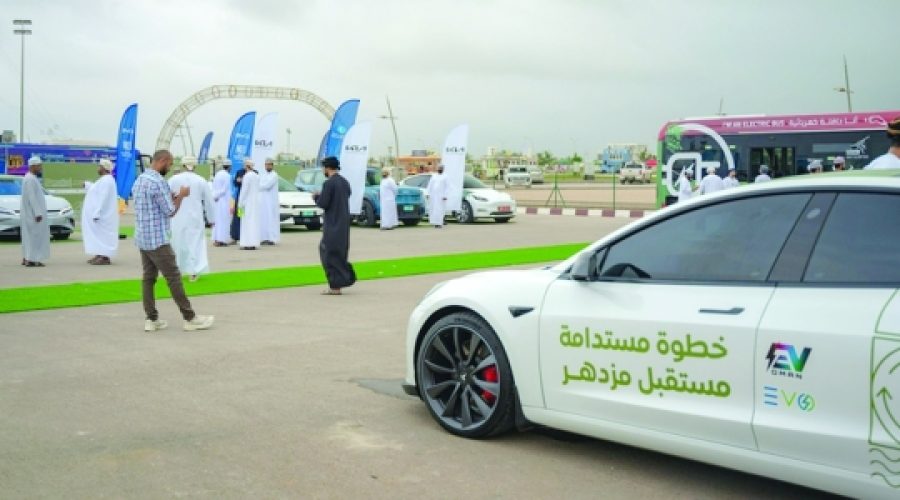
برای تسهیل انتقال در حمل و نقل سنگین، وزارتخانه استفاده از کامیونهای هیدروژنی برای حمل و نقل مسافتهای طولانی را ترویج میکند. همچنین با فروشندگان خودرو همکاری میکند تا بستههای رقابتی برای ترویج پذیرش وسایل نقلیه برقی ارائه دهد. توسعه زیرساختهای قابل توجهی در حال انجام است، از جمله برنامههایی برای نصب بیش از ۳۵۰ ایستگاه شارژ عمومی تا سال ۲۰۲۷، هر کدام با حداقل ظرفیت ۱۲۰ کیلووات در طول بزرگراههای اصلی، به همراه شارژرهای سریع در گذرگاههای مرزی. یک تأسیسات برق ساحلی نیز در حال توسعه در بندر و منطقه آزاد صحار برای بهبود حمل و نقل دریایی پایدار است.
این نقشهراه همچنین شامل استراتژی برای ایجاد یک اکوسیستم حمل و نقل سبز یکپارچه است، که شامل تأسیس اولین مرکز تعمیر و نگهداری وسایل نقلیه برقی عمان و همکاری با شرکت ملی حمل و نقل سبز برای ارائه وسایل نقلیه اجارهای برقی و بهبود زیرساختهای پشتیبانی است.
در کنار این ابتکارات، وزارتخانه در حال کار بر روی جایگزینی وسایل نقلیه دولتی سنتی با معادلهای برقی، توسعه یک برنامه هوشمند برای شناسایی و نظارت بر ایستگاههای شارژ، ایجاد یک چارچوب قانونی برای تعرفههای شارژ و صدور مجوز اپراتورها، و ایجاد یک نقشه شارژ EV ملی در همکاری با ذینفعان عمومی و خصوصی است. المعاوالی اشاره کرد که وزارتخانه همچنین در حال بررسی وامهای سبز و راهحلهای مالی برای تحریک سرمایهگذاری در این بخش حیاتی است.
تحلیل ویژه از عمانت | بازار عمان را کشف کنید
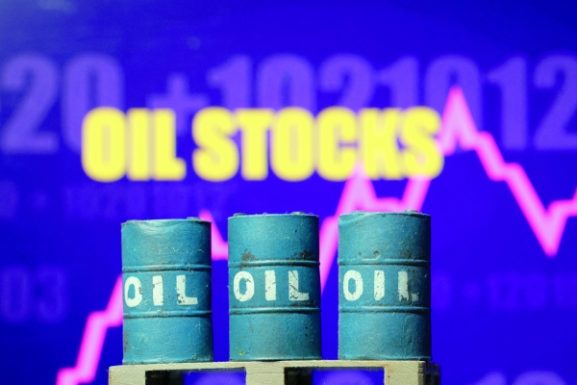
نقشهراه کربنزدایی حمل و نقل عمان نشاندهنده پیشرفتهای قابل توجهی فرصتهایی برای کسبوکارها در فضای فناوری سبز و افرادی که در زیرساختهای پایدار مشغول به کار هستند. با این حال، تمرکز بر کاهش انتشار کربن خطراتی را برای بخشهای خودروسازی و سوخت سنتی, به همراه دارد، که ممکن است با کاهش تقاضا مواجه شوند زیرا بازار به سمت فناوریهای برقی و هیدروژنی تغییر میکند. سرمایهگذاران و کارآفرینان هوشمند باید از ابتکارات دولتی آینده بهرهبرداری کنند و استراتژیهای خود را با اهداف کربنزدایی هماهنگ کنند، به ویژه در زیرساختهای وسایل نقلیه برقی و سوختهای سبز.