اقدامات دولتهای جهانی در مورد هزینههای انرژی: پیامدهایی برای کسبوکارها و سرمایهگذاران در عمان
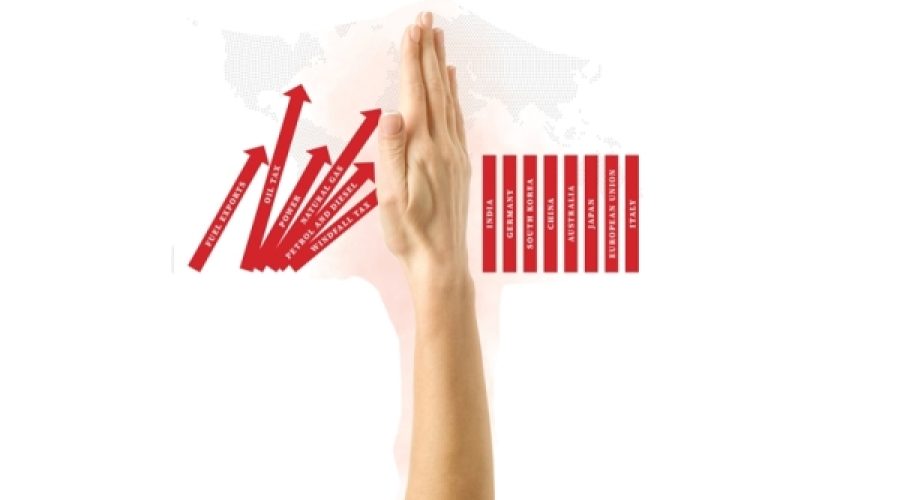
دولتهای سراسر جهان در حال انجام اقداماتی برای محافظت از مصرفکنندگان در برابر افزایش هزینههای انرژی ناشی از درگیری جاری آمریکا و اسرائیل در ایران هستند. در اینجا نحوه واکنش کشورهای مختلف آمده است:
هندهند، به عنوان چهارمین پالایشگاه بزرگ جهان، در حال بررسی صادرات سوخت خود است تا از موجودی بازار محلی اطمینان حاصل کند. یک مقام دولتی اظهار داشت که صادرات تنها در صورتی تأیید خواهد شد که کشور مازاد عرضه داشته باشد. وزارت امور خارجه اعلام کرد که مصرفکنندگانی که از گاز طبیعی لولهکشی استفاده میکنند، از نگهداری یا پر کردن مجدد سیلندرهای گاز مایع (LPG) داخلی منع شدهاند. دولت با استناد به اختیارات اضطراری به پالایشگاهها دستور داده است تا تولید LPG را که برای پخت و پز بسیار مهم است، به حداکثر برسانند و در عین حال فروش به صنایع را کاهش دهند تا از کمبود برای ۳۳۳ میلیون خانوار دارای اتصالات LPG جلوگیری شود.
آلمانوزیر دارایی در حال بررسی گزینههایی برای کاهش افزایش قیمت سوخت، از جمله احتمال اجرای مالیات بر درآمدهای بادآورده شرکتهای نفتی است.
کره جنوبیاین کشور در حال لغو محدودیتهای تولید برق با سوخت زغالسنگ و افزایش استفاده از نیروگاههای هستهای تا ۸۰ درصد است. علاوه بر این، در حال بررسی کوپنهای انرژی برای حمایت از خانوارهای آسیبپذیر است.
چینچین در تلاش برای جلوگیری از کمبود سوخت داخلی، صادرات سوخت تصفیهشده را ممنوع کرده و پیش از فصل کشت بهاره، ذخایر کود را از ذخایر ملی خود آزاد میکند.
استرالیاآنتونی آلبانیزی، نخست وزیر، از شهروندان خواسته است از خرید سراسیمه بنزین و گازوئیل که باعث کمبود در برخی مناطق روستایی شده است، خودداری کنند. دولت اخیراً اعلام کرده است که قصد دارد برای کاهش اختلالات زنجیره تأمین، سوخت را از ذخایر داخلی آزاد کند.
ژاپنژاپن از استرالیا، بزرگترین تأمینکننده گاز طبیعی مایع خود، درخواست افزایش تولید کرده است.
اتحادیه اروپاکمیسیون اروپا به دولتها توصیه میکند که در اجرای قوانین واردات گاز اتحادیه اروپا انعطافپذیری نشان دهند، زیرا رعایت دقیق این قوانین ممکن است مانع از تحویل ضروری LNG مورد نیاز برای تثبیت عرضه شود.
ایتالیادولت ایتالیا طبق مصوبهای که به تصویب کابینه رسیده است، تقریباً ۴۱۷.۴ میلیون یورو (۱TP4T478 میلیون) برای کاهش عوارض سوخت تا ۷ آوریل اختصاص داده است.
کامبوجکامبوج برای جبران کمبود عرضه از ویتنام و چین، واردات سوخت خود را از تأمینکنندگان سنگاپور و مالزی افزایش میدهد.
مالزیدولت مالزی برای حفظ قیمتهای ثابت سوخت، یارانه بنزین را از ۷۰۰ میلیون رینگیت به ۲ میلیارد رینگیت (۱.۴ میلیارد رینگیت) افزایش خواهد داد.
تایلندبرنامههایی در تایلند برای کاهش مالیات نفت در حال انجام است. مذاکرات با دولت روسیه در مورد خریدهای احتمالی نفت خام ادامه دارد. وزیر دارایی اظهار داشت که دولت قصد دارد قیمت گازوئیل داخلی را به ۳۳ بات (۱TP4T1.02) در هر لیتر محدود کند و قیمت برخی کالاها را برای حمایت از کشاورزان ثابت نگه دارد.
فیلیپین: فیلیپین در بحبوحه افزایش قیمت گاز طبیعی مایع، قصد دارد با افزایش تولید برق با سوخت زغال سنگ و تنظیم تعرفههای برق، هزینههای برق را کاهش دهد.
برزیل: رئیس جمهور لوئیز ایناسیو لولا دا سیلوا فرمانی را امضا کرد که بر اساس آن مالیات فدرال بر گازوئیل حذف میشود.
مصر: دولت برای نان بدون یارانه که در نانواییهای خصوصی فروخته میشود، سقف قیمت تعیین کرده است.
اتیوپیاتیوپی تصمیم گرفته است یارانه سوخت را افزایش دهد.
این اقدامات منعکس کننده تلاش جهانی برای مقابله با فشار مالی ناشی از افزایش هزینههای انرژی است.
تحلیل ویژه از عمانت | بازار عمان را کشف کنید
واکنش جهانی به افزایش هزینههای انرژی در بحبوحه تنشهای ژئوپلیتیکی فرصتهای قابل توجه برای بخش انرژی عمان. با اتخاذ سیاستهایی که دسترسی به انرژی محلی را در اولویت قرار میدهند، نوآوری سرمایهگذاران میتوانند از کمبود احتمالی سوخت بهرهبرداری کنند و بازارهای نوظهور، خود را برای رشد آماده میکنند. با این حال،, کسب و کارها همچنین باید برای نوسانات آماده شوند در قیمت سوخت، که مستلزم برنامهریزی استراتژیک و سرمایهگذاری در راهحلهای انرژی پایدار است.