نفت ایران در بحبوحه توقف صادرات خلیج فارس، همچنان از طریق تنگه هرمز عبور میکند: پیامدهای کلیدی برای بازارهای نفت و سرمایهگذاران
صادرات نفت خام ایران در بحبوحه تنشهای منطقهای بدون وقفه ادامه دارد
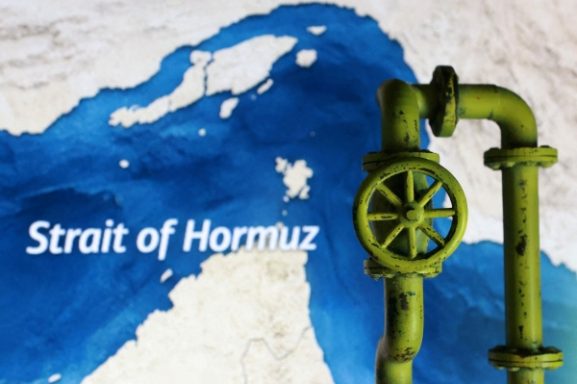
علیرغم حملات اخیر به کشتیها در تنگه هرمز که به تهران نسبت داده شده است، صادرات نفت خام ایران ثابت مانده است. طبق بررسی دادههای ردیابی نفتکشها توسط رویترز، ایران تقریباً ... ۱۳.۷ میلیون بشکه از ۲۸ فوریه، زمانی که ایالات متحده و اسرائیل حملاتی را علیه این کشور آغاز کردند، نفت در این کشور جریان دارد. شرکت اطلاعات دریایی TankerTrackers.com که روشهای جایگزین حمل و نقل نفت را رصد میکند، جریان قوی نفت از طریق این آبراه استراتژیک را مشاهده کرده است.
در روزهای اولیه ماه مارس، یک سرویس ردیابی کشتی دیگر به نام کپلر، تخمین زد که صادرات ایران حتی بیشتر از این مقدار بوده است، تقریباً ۱۶.۵ میلیون بشکه. پاسخ ایران به اقدامات اسرائیل و آمریکا شامل هدف قرار دادن کشتیها و زیرساختهای انرژی در سراسر خاورمیانه، مختل کردن قابل توجه تردد کشتیهای غیرایرانی از طریق این مسیر حیاتی ترانزیت نفت و وادار کردن سایر کشورهای خلیج فارس به کاهش تولید خود بوده است.
وضعیت فعلی کاملاً در تضاد با عملیاتهای قبلی ایالات متحده در ونزوئلا است، جایی که محاصره دریایی و توقیف کشتیها صادرات نفت را متوقف کرد. دیوید تاننباوم، مدیر خدمات انطباق بلکاستون، از اینکه ایالات متحده در بحبوحه این درگیریهای رو به افزایش، تاکتیکهای مشابهی را علیه ایران به کار نگرفته است، ابراز تعجب کرد.
کارشناسان خاطرنشان میکنند که تلاشها برای متوقف کردن نفتکشهای ایرانی میتواند باعث تجاوز بیشتر به کشتیهایی شود که از تنگه هرمز عبور میکنند. جیمز لایتبورن، بنیانگذار شرکت کشتیرانی کاوالیر، توضیح داد که تا زمانی که ایران بتواند کشتیهای خود را در منطقه مانور دهد، انگیزه دارد که تا حدی تنگه را در دسترس نگه دارد. او هشدار داد که توقیفهای ایالات متحده، سهم ایران در حفظ این دسترسی را کاهش میدهد.
تاکنون، کاخ سفید به سوالات مربوط به اقدامات احتمالی علیه صادرات نفت ایران پاسخی نداده است. دادههای TankerTrackers.com و Kpler نشان میدهد که صادرات نفت خام ایران از ... ۱.۱ میلیون تا ۱.۵ میلیون بشکه در روز بین ۲۸ فوریه و ۱۱ مارس. میانگین صادرات سال گذشته ... ۱.۶۹ میلیون بشکه در روز.
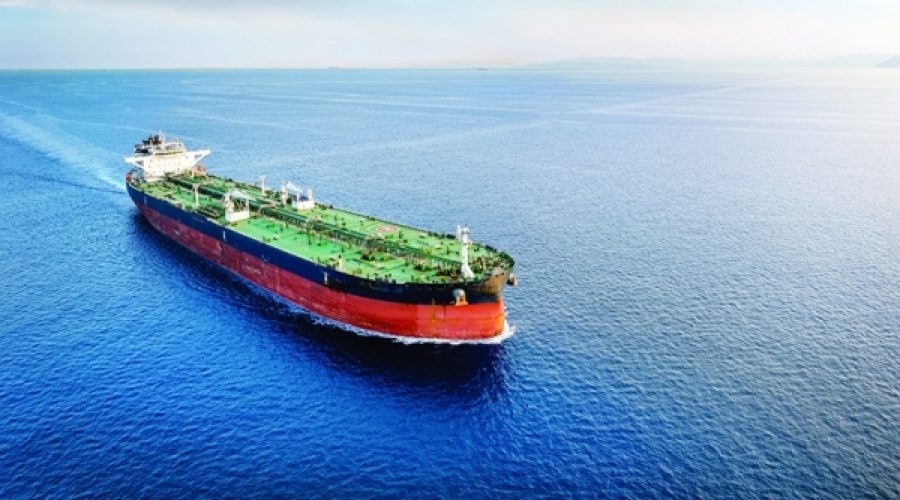
در حال حاضر، عملیات در جزیره خارک ایران، قطب اصلی صادرات، چندین مورد را نشان میدهد حاملهای نفت خام بسیار بزرگ هنوز در حال بارگیری نفت است. پیش از حملات ۲۸ فوریه، ایران صادرات خود را تقریباً به ... افزایش داده بود. ۲.۱۷ میلیون بشکه در روز در انتظار تشدید احتمالی درگیری نظامی، با صادرات بیسابقه ۳.۷۹ میلیون بشکه در روز در اواسط فوریه.
از زمان شروع درگیری، در مجموع شش تانکر نفت خام از جمله کشتیهای تحت تحریم ایالات متحده، ایران را ترک کردهاند. اخیراً، دو تانکر حمل گاز مایع نیز پس از بارگیری محموله، کشور را ترک کردند. حداقل ۱۱ میلیون بشکه نفت خام صادر شده است که مقادیر قابل توجهی از آن به سواحل سنگاپور رسیده است. نکته قابل توجه این است که این کشتیها همچنان در منطقه اقتصادی انحصاری ایران فعالیت میکنند و هدف آنها افزایش امنیت خود با نزدیک ماندن به آبهای ایران است.
با تحول اوضاع، تحلیلگران صنعت از نزدیک قابلیتهای صادراتی ایران را زیر نظر دارند که ممکن است در روزهای آینده افزایش یابد.
تحلیل ویژه از عمانت | بازار عمان را کشف کنید
The تنشهای ژئوپلیتیکی مداوم و توانایی ایران در حفظ صادرات نفت خام علیرغم تهدیدات نظامی، ... هم ریسکها و هم فرصتها برای کسب و کارها در عمان افزایش بیثباتی در تنگه هرمز میتواند هزینههای حمل و نقل را افزایش داده و بازارهای نفت منطقهای را مختل کند، در حالی که سرمایهگذاران باهوش ممکن است ... بخشهای انرژی جایگزین یا راهحلهای لجستیکی برای انطباق با این تغییرات. کارآفرینان باید موقعیت خود را در نظر بگیرند زنجیرههای تأمین نوظهور که میتواند با به چالش کشیده شدن مسیرهای سنتی ایجاد شود و احتمالاً از موقعیت استراتژیک عمان بهره ببرد.