عملیات پروازی انعطافپذیر عمان: روند لغو پروازهای خروجی چه معنایی برای سفرهای تجاری شما دارد؟
مسقط: بخش هوانوردی در خاورمیانه به دلیل لغو پروازها پس از وقوع جنگ ایران در 28 فوریه با اختلالات قابل توجهی روبرو شده است.
در ماه ژانویه، شرکتهای هواپیمایی خاورمیانه با ... مواجه شدند. ۷.۲۱TP3T افزایش نسبت به سال گذشته تقاضا، با افزایش ظرفیت 7.8%, ، در نتیجه ضریب بار از 83.2%— کاهش ۰.۴ درصد در مقایسه با ژانویه ۲۰۲۵. با این حال، از ۱۹ مارس ساعت ۵ بعد از ظهر به وقت عمان،, ۳۱۳۹۲ از ۶۵۳۹۷ از زمان شروع درگیری، پروازهای خروجی برنامهریزیشده از منطقه لغو شدهاند.
عملیات عادی
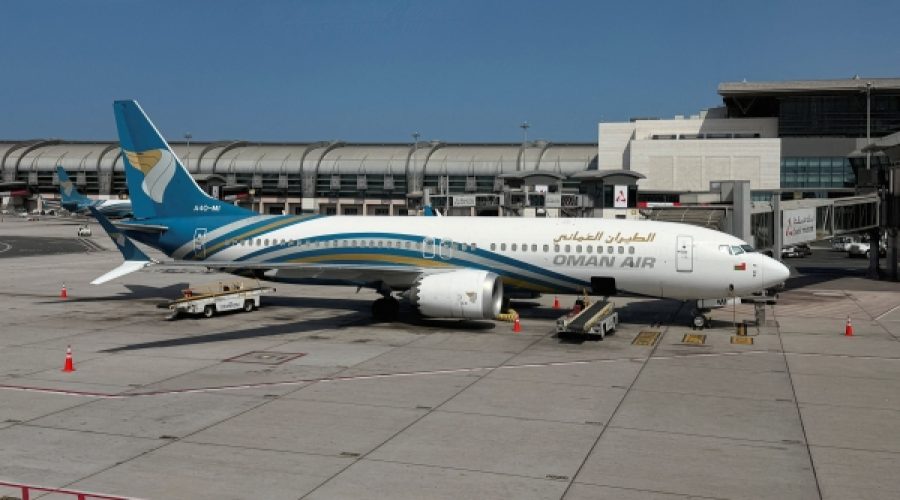
فرودگاههای عمان و حریم هوایی عمان کاملاً عملیاتی هستند. عمان ایر تأیید کرد که پروازهایش طبق برنامه ادامه دارد، از جمله خدمات اضافی در سراسر شبکهاش. با این حال، به دلیل بسته بودن مداوم حریم هوایی منطقهای، پروازها به و از چندین مقصد - از جمله عمان، دبی، بحرین، دوحه، دمام، کویت، کپنهاگ، بغداد و خصب - تا 31 مارس 2026 لغو خواهد شد.
در میان خطوط هوایی فعال در داخل و خارج از خاورمیانه، شرکتهای زیر بیشترین تأثیر را از لغو پروازها پذیرفتهاند: قطر ایرویز (۹۲.۱۸۱TP3T), هواپیمایی اتحاد (76.40%), گلف ایر (۹۷.۵۲۱TP3T), امارات (50.52%), فلای دبی (۶۳.۷۷۱TP3T), ایر عربیا (70.05%), کویت ایرویز (۹۷.۲۷۱TP3T), نیلی (75.92%)، و ایر ایندیا اکسپرس (۷۴.۸۰۱TP3T). شایان ذکر است که شرکت هواپیمایی قطر ایرویز از ۱۸ تا ۲۸ مارس تعداد محدودی پرواز انجام میدهد.
تحلیل ویژه از عمانت | بازار عمان را کشف کنید
اختلالات مداوم در بخش هوانوردی خاورمیانه به دلیل جنگ ایران خطرات قابل توجه برای مشاغلی که به سفرهای هوایی وابسته هستند، به ویژه در گردشگری و لجستیک. عمان، با فرودگاههای عملیاتیاش, ، به عنوان یک پناهگاه امن بالقوه برای ترافیک هوایی تغییر مسیر یافته، سودمند خواهد بود و آن را به مقصدی جذاب برای سرمایهگذارانی تبدیل میکند که به دنبال سرمایهگذاری در این تغییر هستند. کارآفرینان باهوش باید افزایش خدمات و زیرساختها را در نظر بگیرند برای پاسخگویی به افزایش تقاضا برای گزینههای پروازی و سفر در بحبوحه بیثباتی منطقهای.