قیمتهای بالای نفت، فرصتهای استراتژیک برای سرمایهگذاران را نشان میدهد: چگونه رونق انرژی عمان بر کسب و کار شما تأثیر میگذارد
مسقط: به گفته تحلیلگران و اقتصاددانان انرژی، این هفته قیمت نفت خام عمان به سطوح بیسابقهای افزایش یافته است که علاوه بر پویایی بازار، عوامل ژئوپلیتیکی نیز در آن دخیل بودهاند.
روز سهشنبه، قیمت نفت خام عمان به بالاترین سطح خود رسید. $152.58 در هر بشکه برای تحویل در ماه مه، با افزایش تقاضا برای منابع تأمین جایگزین در بحبوحه تشدید درگیری به رهبری ایالات متحده و اسرائیل علیه ایران. تا چهارشنبه، 18 مارس 2026، قیمت رسمی بیشتر افزایش یافت. $153.12 در هر بشکه, به گزارش خبرگزاری عمان (ONA)، این قیمت نسبت به روز قبل ۵۴ سنت افزایش یافته است.
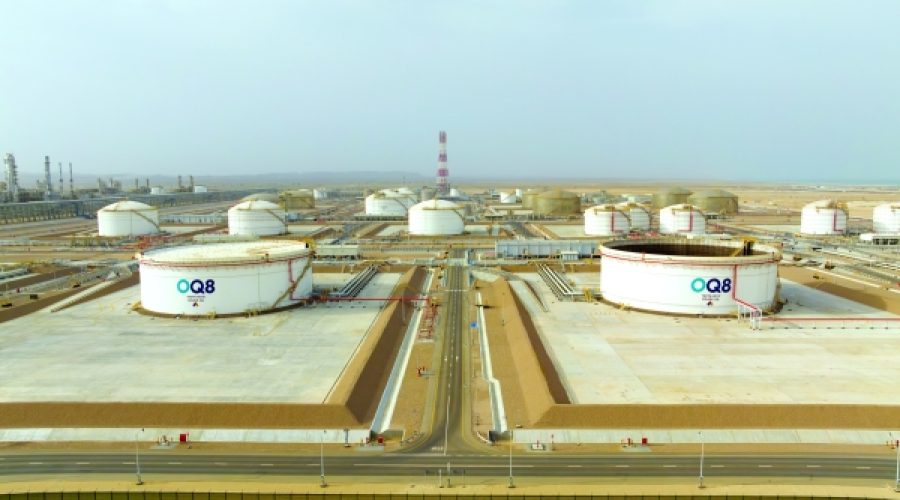
مظهر پاشا، مدیر اجرایی سندیکیت کپیتال، افزایش قیمت را نشان دهنده موقعیت عمان به عنوان یک “نقطه ثبات نادر” در بحبوحه اختلالاتی که جریان نفت از طریق تنگه هرمز را محدود کرده است، توصیف کرد. وی خاطرنشان کرد که صادرات از مینا الفحل، که از نظر استراتژیک در خارج از تنگه در دریای عمان واقع شده است، بدون وقفه باقی مانده است و نفت خام عمان را به عنوان یک گزینه ممتاز و قابل اعتماد در یک بازار پراکنده و بیثبات قرار میدهد. پاشا افزود که پیامدهای مالی افزایش درآمدهای نفتی میتواند برای عمان “عمیق” باشد.
“بودجه ۲۰۲۶ بر اساس یک تخمین محافظهکارانه است.» $60 در هر بشکه; بنابراین، قیمتهای فعلی درآمدهای قابل توجهی فراتر از پیشبینیها ایجاد میکنند که میتواند کسریهای مالی را به مازاد قابل توجه تبدیل کند و سرمایهگذاریهای همسو با چشمانداز عمان ۲۰۴۰ را تسریع بخشد.”.
باویا چاوچاریا، مدیر روابط عمومی بانکداری شرکتهای بزرگ در بانک عرب عمان، خاطرنشان کرد که اگرچه نفت همچنان یک نقطه کانونی است - با توجه به اینکه حدود ... 20% از جریانهای جهانی از تنگه هرمز عبور میکنند - تخصیص مجدد سرمایه قابل توجهی در سراسر شورای همکاری خلیج فارس وجود دارد، و عمان به طور فزایندهای در حال برجسته شدن است. او تأکید کرد که همزمان با تطبیق پروژههای زیرساختی از طریق هزینههای سرمایهای مرحلهای، زنجیرههای تأمین در حال بومیسازی هستند و مسیرهای تجاری جدیدی برای کاهش وابستگی به نقاط حساس گلوگاهی در حال ظهور هستند.
با دور زدن تمام صادرات نفت و گاز طبیعی مایع عمان از تنگه هرمز، قطبهای کلیدی مانند بندر دقم، بندر صحار و بندر صلاله اهمیت بیشتری پیدا میکنند و عمان را به عنوان یک دروازه لجستیکی و صنعتی مقاوم قرار میدهند. چاوچاریا افزود که نقدینگی قوی بانکی منطقهای بیش از ... ۱TP4T300 میلیارد, ، همراه با تغییر به سمت تأمین مالی ساختاریافته و مبتنی بر جریان نقدی، جریان سرمایه را به سمت پروژههای انرژی، زیرساختها و هیدروژن سبز عمان تسهیل میکند.
عزه الحبسی، اقتصاددان از شرکت اومینوست، هشدار داد که اگرچه قیمتهای بالای نفت خام ممکن است مزایای مالی کوتاهمدتی به همراه داشته باشد، اما چشمانداز اقتصادی گستردهتر همچنان تاریک است، زیرا جنگها معمولاً برندگان اقتصادی واقعی ندارند. او خاطرنشان کرد که حتی برای کشورهای عضو شورای همکاری خلیج فارس، پیامدهای غیرمستقیم از طریق کند شدن سرمایهگذاریها، اختلال در تجارت و گردشگری، افزایش هزینههای بازسازی و افزایش هزینههای دفاعی در حال آشکار شدن است.
مهمتر از آن، او هشدار داد که اعتبار دیرینه این منطقه به عنوان یک مرکز سرمایهگذاری پایدار در حال تضعیف است و به طور بالقوه منجر به یک “حق بیمه ریسک” ژئوپلیتیکی پایدار میشود که ممکن است بر رفتار سرمایهگذاران تأثیر بگذارد. این اختلالات فراتر از نفت است و شامل LNG، پتروشیمی، کود، کشتیرانی، هوانوردی و لجستیک میشود و زنجیرههای تأمین بازسازیشدهای دارد که تأثیرات آنها ممکن است ماهها طول بکشد تا به طور کامل محقق شود.
تحلیل ویژه از عمانت | بازار عمان را کشف کنید
The افزایش شدید قیمت نفت خام عمان, که اکنون از $153 در هر بشکه فراتر رفته است، به کسبوکارها فرصتی بینظیر برای بهرهبرداری از افزایش درآمدها ارائه میدهد و بهطور بالقوه کسریهای مالی را به مازادهایی همسو با ... تبدیل میکند. چشمانداز عمان ۲۰۴۰با این حال، سرمایهگذاران هوشمند باید محتاط باشند, ، زیرا بیثباتی ژئوپلیتیکی پیرامون منطقه، خطراتی را ایجاد میکند که میتواند ثبات اقتصادی گستردهتر و اعتماد سرمایهگذاران را مختل کند. کارآفرینان باید بر بهرهگیری از مزایای لجستیک استراتژیک عمان تمرکز کنند و گسترش به بخشهایی مانند هیدروژن سبز و زیرساختها در عین حال هدایت تغییرات در جریانهای سرمایه جهانی.