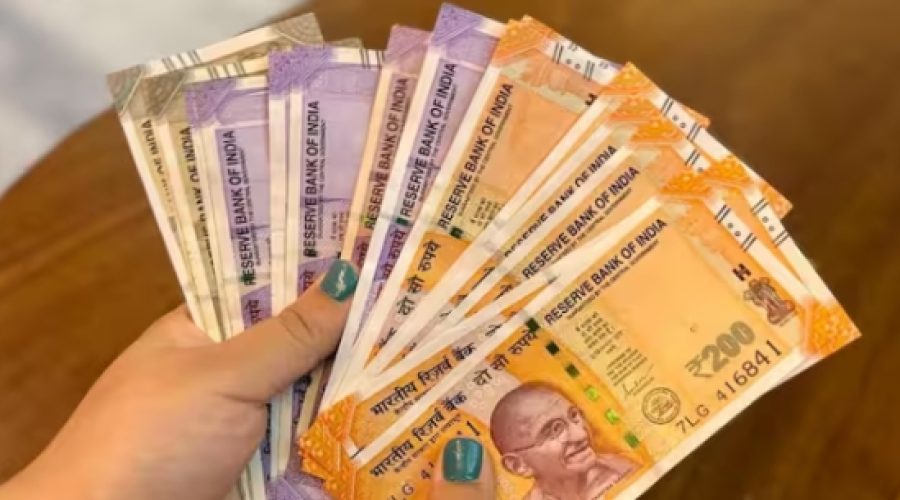
تأثیر کاهش ارزش روپیه هند: نرخ ۲۴۱ روپیه به ازای هر ریال عمان چه معنایی برای سرمایهگذاریهای تجاری شما در عمان دارد؟
روپیه هند در بحبوحه نگرانیها در مورد تامین انرژی جهانی به پایینترین سطح خود رسید
روپیه هند سقوط کرد ۹۳.۷۱ دلار برای اولین بار در روز جمعه، بزرگترین کاهش یک روزه خود را در بیش از چهار سال گذشته ثبت کرد. این کاهش در بحبوحه افزایش نگرانیها در مورد اختلالات در عرضه جهانی انرژی رخ میدهد.
در عمان، مهاجران هندی با چالشهایی روبرو هستند زیرا صرافیها و بانکها به دلیل تعطیلات عید فطر و آخر هفته تعطیل هستند. با این وجود، برخی از پلتفرمهای آنلاین، از جمله اپلیکیشنهای بانکی محلی، نرخهای ۲۴۱.۴۲ و بالاتر به ازای هر ریال عمان.
آر. مادهوسودانان، کارشناس مالی ساکن عمان، خاطرنشان کرد: “اگر درگیری ادامه یابد، روپیه ممکن است تحت فشار باقی بماند و بیشتر تضعیف شود.» ۲۴۵ به ازای هر ریال عمان. بازگشت به سطوح اطراف 230 در کوتاهمدت بعید به نظر میرسد.”
ارزش روپیه به پایینترین حد خود رسید 93.76 در برابر دلار آمریکا قبل از بسته شدن در 93.71، پایین از 92.63 روز معاملاتی قبل. این کاهش شدید ارزش تا حد زیادی به افزایش قیمت نفت خام، تشدید تنشها در تنگه هرمز و خروج قابل توجه سرمایه گذاران خارجی از سهام هند نسبت داده میشود.
افت روپیه از حد گذشت 1%, طبق گزارش رویترز، شدیدترین کاهش از اواخر سال ۲۰۲۲ تاکنون را نشان میدهد. فشار مداوم در ماههای اخیر افزایش یافته و با تأخیر در نهایی شدن توافق تجاری با ایالات متحده تشدید شده است. ارزش پول ملی بیش از ... کاهش یافته است. 7% در طول سال گذشته، آن را به یکی از بدترین عملکردها در بین ارزهای همتای خود تبدیل کرده است.
“هند به عنوان یک واردکننده عمده نفت خام، به ویژه در برابر افزایش قیمت انرژی آسیبپذیر است. قیمت نفت خام از حدود ... به شدت افزایش یافته است.» $73 به ازای هر بشکه در فوریه 2026 تا $107.8 مادهوسودانان خاطرنشان کرد: ”در ماه مارس، انتظار میرود کسری حساب جاری کشور را افزایش دهد. هزینه بالای واردات هند، شامل نفت، تجهیزات دفاعی، طلا و کالاهای الکترونیکی، به این معنی است که هرگونه کاهش ارزش روپیه به طور قابل توجهی بر تراز پرداختها تأثیر میگذارد.».
علاوه بر این، اختلالات زنجیره تأمین، افزایش هزینههای حمل و نقل و افزایش حق بیمه احتمالاً باعث افزایش بیشتر قیمت سوخت خواهد شد که به فشارهای تورمی در سراسر اقتصاد دامن خواهد زد.
تأثیر بر سرخپوستان غیرمقیم (NRI)
در حالی که هندیهای غیرمقیم (NRI) ممکن است از کاهش ارزش روپیه سود ببرند - زیرا درآمدهای خارجی آنها به ارزش بالاتری بر حسب روپیه تبدیل میشود - پیامدهای گستردهتر آن متفاوت است. دانشجویان هندی که در خارج از کشور تحصیل میکنند، ممکن است با افزایش قابل توجه هزینهها مواجه شوند، همانطور که کسانی که به دنبال درمان پزشکی یا سفر به خارج از کشور هستند نیز با این مشکل مواجه خواهند شد. وام گیرندگان با وام به ارزهای خارجی نیز با بار بازپرداخت بیشتری روبرو خواهند شد.
با نگاهی به آینده، هند همچنان پتانسیل بالایی به عنوان یک مقصد ترجیحی برای سرمایهگذاری خارجی دارد که میتواند به تثبیت ارزش پول ملی آن کمک کند. مادهوسودانان بر لزوم کاهش وابستگی به انرژی وارداتی و تسریع گذار به منابع انرژی تجدیدپذیر برای دستیابی به تابآوری بلندمدت و مقابله با چالشهای خارجی تأکید کرد.
در همین حال، دلار روز جمعه اندکی افزایش یافت، اما همچنان در مسیر کاهش هفتگی قرار دارد، زیرا افزایش قیمت انرژی چشمانداز نرخ بهره جهانی را تغییر داده و فدرال رزرو آمریکا را به تنها بانک مرکزی بزرگی تبدیل کرده است که انتظار نمیرود امسال نرخ بهره را افزایش دهد.
تحلیل ویژه از عمانت | بازار عمان را کشف کنید
اخیر کاهش ارزش روپیه هند ژستها ریسکها و فرصتها برای کسب و کارهای عمان، به ویژه آنهایی که به صادرات هند و اشتغال مهاجران وابسته هستند. با تضعیف روپیه،, هزینههای واردات افزایش خواهد یافت, ، که بر استراتژیهای کلی قیمتگذاری و تورم در منطقه تأثیر میگذارد. سرمایهگذاران هوشمند باید تنوعبخشی را در نظر بگیرند پرتفوی آنها و بررسی سرمایهگذاریهایی که خطرات مرتبط با نوسانات ارزی را کاهش میدهند و در عین حال از پتانسیل هند به عنوان یک مقصد سرمایهگذاری بهره میبرند.